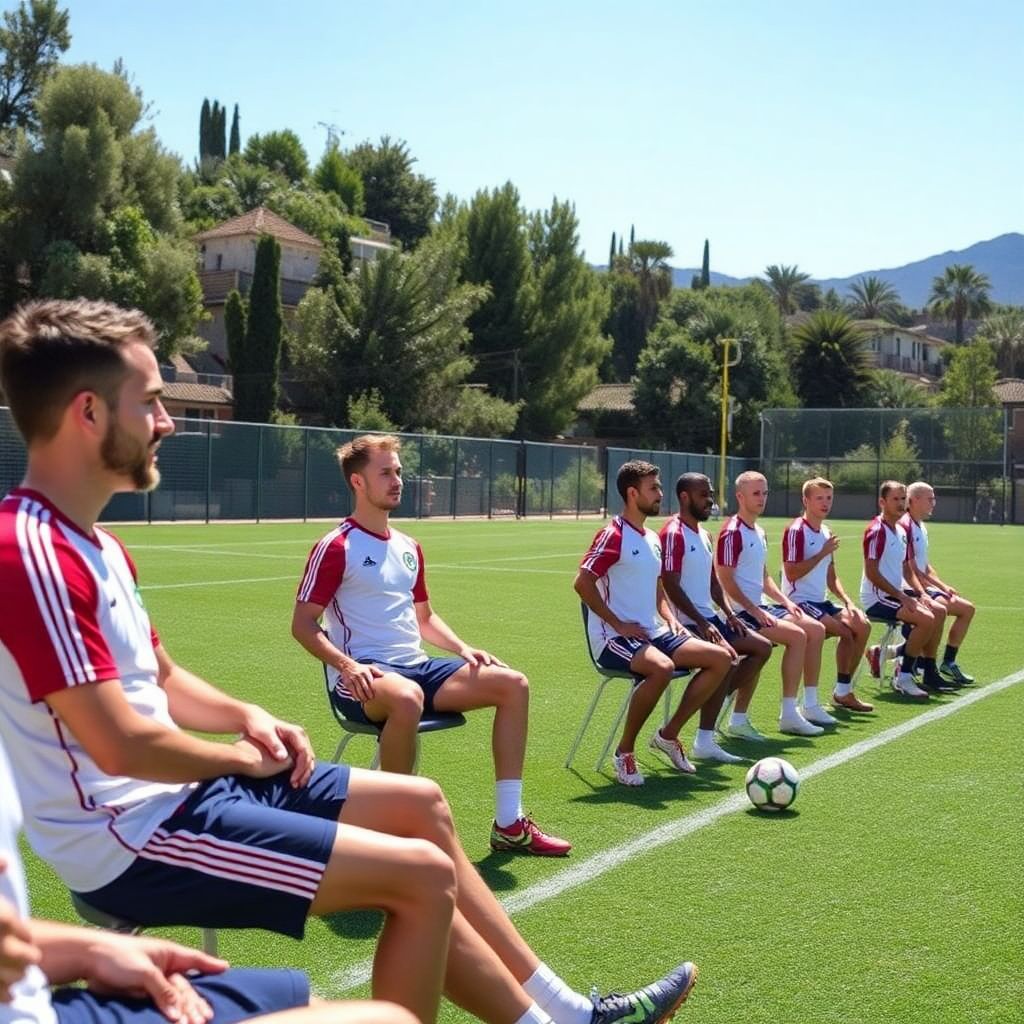
A team preparing for a short football tournament in Spain needs a clear plan for physical and mental load management: reduce volume while keeping intensity, control minutes, prioritize sleep and nutrition, and use simple mental routines. Focus on safety: prevent overload, respect pain signals and adjust for age, fitness and playing level.
Core principles for short-tournament readiness
- Shift from building fitness to preserving freshness and availability about 10-14 days before the event.
- Prioritize quality over quantity: short, intense sessions and strict control of total running and contact load.
- Plan rotations and minutes in advance, especially in groups with mixed fitness levels or recent injuries.
- Structure both preparación física y mental para torneos de fútbol cortos in one integrated weekly calendar.
- Use simple, repeatable routines for warm up, cooldown, nutrition, hydration and sleep.
- Communicate clearly with players and staff; small amateur squads need even tighter coordination.
- Review and adjust daily using player feedback and basic monitoring, not only your original plan.
Periodizing training for condensed competition windows
A specific plan de entrenamiento para torneo corto de fútbol is most useful when your team has several matches within a few days, like weekend tournaments or regional cups in Spain. It is especially valuable for amateur and youth teams that normally train only two or three times per week.
Avoid aggressive periodization if your players are detrained, coming back from long injury, or if you have very limited medical support. In these cases, stay conservative: lower training volume, avoid double sessions, and skip high-risk drills like repeated maximal sprints or heavy contact games.
- Define the competition window: note exact match days, probable kickoff times and travel. For example, Friday evening plus two matches on Saturday and one on Sunday.
- Work backwards 14 days: from the first match, plan a short taper where overall volume drops but intensity stays moderate to high.
- Structure the final 7 days:
- D-7 to D-5: one main intensity session, one tactical session, one lighter technical day.
- D-4 to D-2: focus on tactics, set pieces and short speed work; no heavy fitness blocks.
- D-1: brief activation (30-45 minutes), finishing, set pieces, and rehearsed warm up.
- Align pre-season and in-season loads: integrate gestión de carga física en pretemporada futbolística so that players are used to some congestion and recovery routines before the tournament phase.
- Include individual variations: reduce high-speed metres and total minutes in training for older players, recent returnees or those with previous muscle issues.
- Coordinate with support staff: if you work with an entrenador personal para equipos de fútbol amateur, align their individual sessions so they do not add hidden load close to match days.
Optimizing recovery between closely scheduled matches
To optimize recovery between matches played on back-to-back days, you do not need complex technology. You do need a clear protocol, buy-in from players and some basic tools that most Spanish amateur clubs can access with low cost.
- Access to cool water or cold packs for legs (showers, buckets or local facilities).
- Simple equipment: foam rollers, massage balls, yoga mats or towels.
- A quiet space for post-match team talks and short relaxation or breathing exercises.
- Basic nutritional resources: water, isotonic drink or salted water, simple carbohydrates (bread, fruit, rice), and protein sources (yoghurt, milk, sandwiches).
- Communication tools: a shared messaging group to send schedules, sleep and hydration reminders.
- Optional but useful: software de planificación de carga de entrenamiento deportivo or simple spreadsheets to log minutes, perceived exertion and soreness.
Nutrition and hydration strategies for rapid turnaround
Health and safety notes before adjusting nutrition
- Consult a doctor or dietitian if any player has diabetes, kidney, heart, gastrointestinal or eating disorders.
- Avoid extreme diets, dehydration practices or untested supplements around competition.
- Introduce new foods or drinks at least one or two weeks before the tournament, never on match day.
- Respect allergies and intolerances; clearly label shared food and drinks.
- Emphasize safe food handling, especially in hot Spanish climates: keep perishable foods cool.
- Plan pre-tournament eating patterns:
Adjust daily meals in the week before the tournament to be regular, familiar and balanced. Focus on simple carbohydrates, moderate protein and enough fluids. Avoid heavy, very fatty or spicy foods in the evenings before match days. - Standardize pre-match meals:
Set a template meal three to four hours before kickoff. For example, pasta or rice with a light sauce, some lean protein and water. Make small snacks (banana, toast, yoghurt) available one to two hours before if needed. - Control hydration from the morning:
Ask players to check their urine color (pale yellow is the aim) and drink small amounts often. During the match, offer water and, in hot conditions or long tournaments, isotonic drinks with some salt and sugar. - Use a simple post-match recovery formula:
Within 30-60 minutes after each match, encourage a snack with carbohydrates and protein plus fluid. Examples:- Sandwich with turkey or cheese plus fruit and water.
- Milk or yoghurt drink plus a banana.
- Rice or pasta salad plus bottled water or a sports drink.
- Organize evening meals and sleep support:
After the last match of the day, provide a calm meal with plenty of carbohydrates, vegetables and some protein. Keep caffeine low in the late evening. Plan lights out times suitable to early kickoffs, especially for youth players.
Mental preparation: focus, resilience and match-to-match transitions
- The team can describe in one or two sentences the main game plan and role for each player before the first match.
- Players use a short routine (breathing, cue words, or visualization) before kick-off and at half-time, and they know the steps without prompting.
- After each match, the coach runs a brief, structured review (what went well, what to adjust, next focus) in under 10 minutes.
- Players report feeling tired but mentally clear enough to follow tactical instructions in later games.
- There is a defined way to park mistakes between matches, such as a short debrief and a symbolic «reset» moment.
- You see fewer emotional swings on the bench; players accept rotation and minute management, even when disappointed.
- Staff and players use respectful, calm communication under stress, with no shouting or blame in front of the group.
- At least one adult is available for private conversations if a player feels overwhelmed or anxious.
- By the final match, focus cues and routines still happen, even if the team is tired or results have been mixed.
Monitoring load: metrics, thresholds and communication
- Relying only on GPS or distance data and ignoring how players actually feel and report soreness.
- Failing to track accumulated minutes across positions, friendlies and extra matches, especially for versatile players.
- Changing the training plan daily without a clear reason, creating confusion and hidden overload.
- Keeping injury history in your head instead of a simple list to guide load limits and substitutions.
- Punishing players for reporting pain or fatigue, which encourages silence and higher injury risk.
- Using the same thresholds for all ages and fitness levels, rather than adapting for youth, veterans or less trained players.
- Ignoring environmental stress, like heat, travel or bad pitches, when judging total load.
- Skipping cooldowns and recovery protocols after wins but forcing them after losses, sending mixed messages.
- Not sharing basic load information with assistants and conditioning staff, which leads to duplicated or conflicting work.
Practical game-day routines and contingency planning
Different contexts in Spain require flexible but structured game-day solutions. Here are useful variants you can adopt or combine.
- Minimalist routine for small amateur squads:
Suitable when you have few substitutes, no medical staff and limited facilities. Focus on a simple dynamic warm up, clear tactical reminders, basic hydration, and a short cooldown walk plus stretching near the pitch. - Expanded routine with support staff:
Useful if you have a physio or fitness coach and access to a clubhouse. Add individualized activation drills, taping, short pre-match mental focus time, structured cooldown, and basic screening after each match. - Heat-adaptation routine for hot tournaments:
Essential in Spanish summer events. Include earlier arrival, aggressive hydration plan, shade-seeking between games, cooling strategies like wet towels, and more frequent rotation, especially for goalkeepers and central midfielders. - Conservative routine for high-risk players:
Best when you have several players with recent injuries or low fitness. Shorten warm ups for them, limit minutes per match, schedule extra recovery work, and have a clear stop rule if pain or tightness appears.
Common practical concerns and quick solutions
How many intense training sessions should we plan before a short tournament?
In the final week, one main intense session plus one medium session is usually enough, with the rest focused on tactics and light technical work. The exact number depends on age, fitness and match congestion, so stay conservative if in doubt.
What is a simple way to monitor load without technology?
After each session and match, record minutes played or trained and ask each player to rate how hard it felt on a scale from 1 to 10. Multiply minutes by the rating to get a simple training load number you can track across days.
How can we protect players who also play for another team or school?
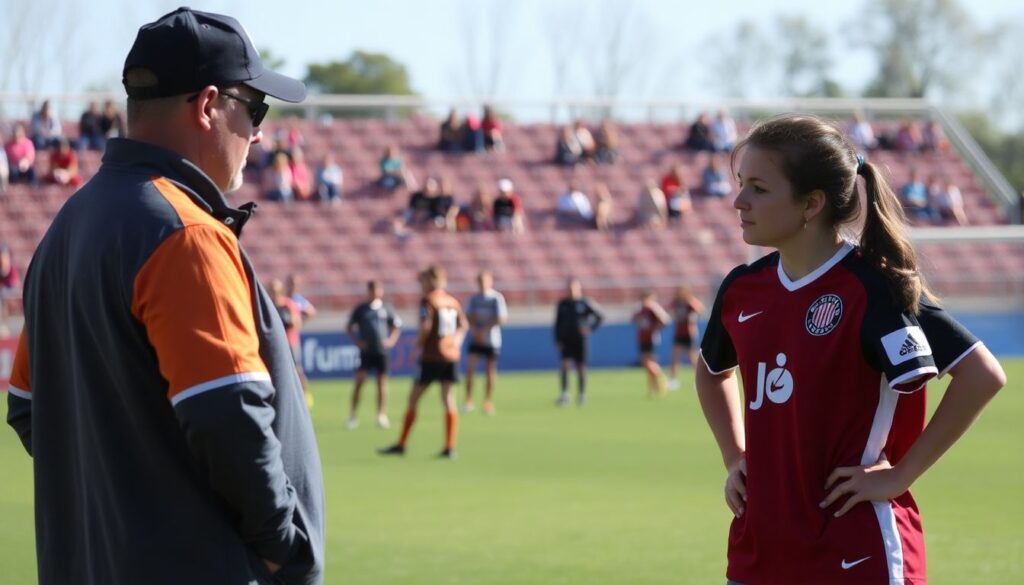
Ask for their schedule and minutes ahead of time, then cap their training load with you on heavy weeks. Prioritize key matches, reduce high-speed work in training, and consider resting them in less important games during the tournament.
What if we have only one goalkeeper for the whole tournament?
Reduce their exposure in pre-tournament training, avoid unnecessary contact drills, and manage warm ups to be efficient but not overly long. Emphasize recovery, hydration and sleep, and prepare an emergency outfield backup for basic goalkeeping duties.
How do we manage players who want to play every minute?
Explain the load plan before the tournament, highlighting that minute management protects performance and reduces injury risk. Share rotation plans openly and stick to them unless there is a strong tactical or medical reason to change.
What should we do if a player reports pain or unusual fatigue between matches?
Immediately reduce or stop their participation, apply basic first aid if needed, and avoid forcing them to play. When possible, consult a medical professional and err on the side of caution, especially with muscle pain, dizziness or any head impact.
Is it worth changing our game model just for a short tournament?
Major tactical changes are rarely effective in a short time. Instead, make small adjustments that reduce physical stress, like slightly deeper defensive lines or more controlled possession, while keeping your core principles familiar for the players.