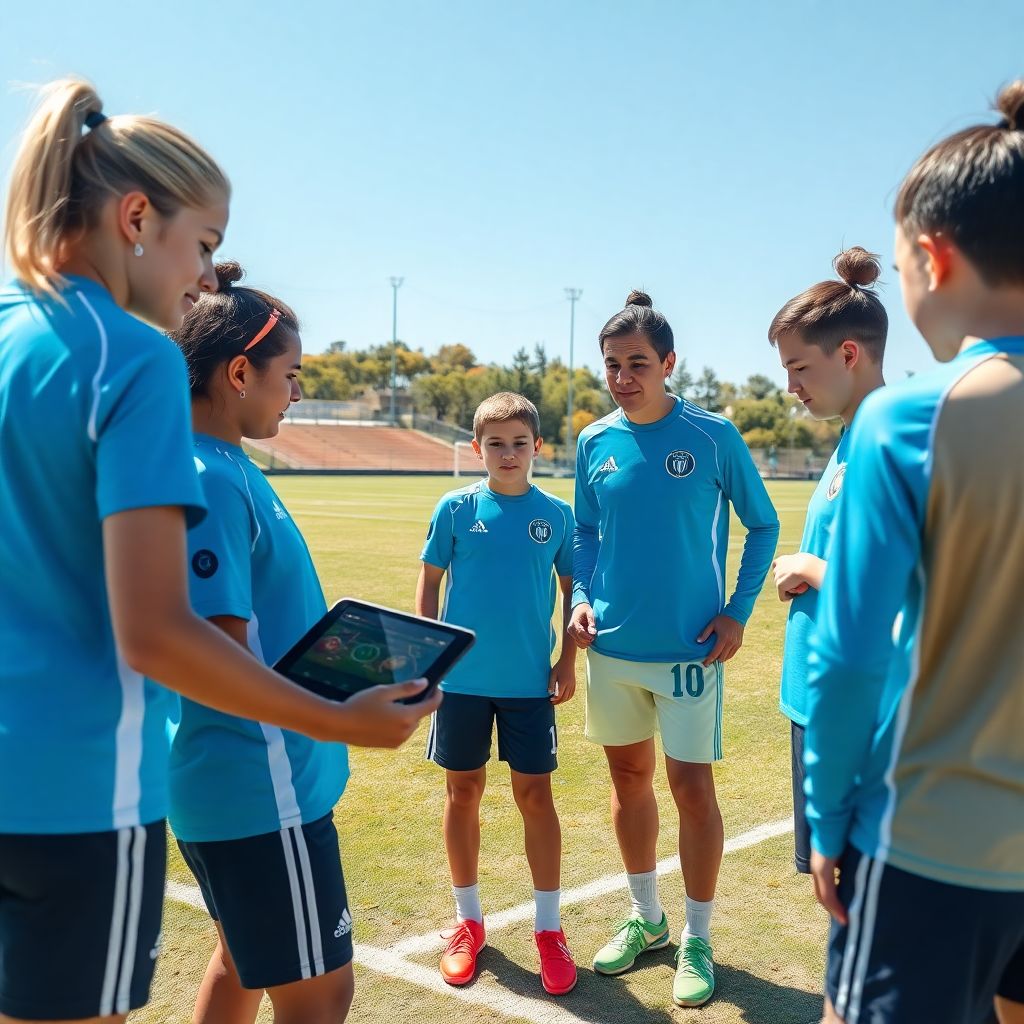
Mentoring in women’s football means structured support to help players, coaches and staff grow faster, navigate bias and access real opportunities. A good programme defines clear performance goals, builds inclusive learning plans, opens professional networks and tracks progress with simple metrics, while staying realistic about resources and club culture in Spain.
Core mentoring priorities for women’s football
- Clarify what success looks like for each mentee: role, performance targets and realistic timelines.
- Design inclusive development roadmaps that fit academic, family and competition calendars.
- Address systemic barriers such as unequal facilities, visibility and funding through advocacy.
- Connect mentees with wider professional networks in women’s football, not just their club.
- Use simple, shared metrics and regular feedback routines to adjust the mentoring plan.
- Document short case studies to inspire others and refine future mentoring cycles.
Assessing mentee needs and setting clear performance goals
Mentoring works best when mentees want structured support and mentors can commit time. It is not suitable when leadership expects quick fixes for structural problems, or when mentors lack basic availability and psychological safety skills.
- Clarify mentee profile: age, position (e.g. central defender, goalkeeper), level (amateur, semiprofessional, professional) and main competition schedule.
- Run a 30-45 minute intake conversation to map strengths, gaps and ambitions for the next 6-12 months.
- Use a simple template with four columns: Technical, Physical, Tactical, Mental/Life skills; ask the mentee to rate each area from 1-5.
- Translate ratings into 2-3 concrete goals, for example: «Improve defensive 1v1 success rate in matches» or «Pass the national B coaching licence within 12 months».
- Check feasibility against constraints: study schedule, work, travel, medical history and club resources.
- Agree on a safe-stop rule: if the mentee feels overwhelmed or unsafe, mentoring is paused and support is redirected (e.g. to medical or psychological services).
Example prompt for the first meeting: «In one year, what would need to be true in your football and personal life for you to feel this mentoring has been worthwhile?»
Designing inclusive training and development roadmaps
Before designing the plan, confirm what tools, time and permissions you actually have. This avoids overpromising and keeps mentoring aligned with the club’s reality in Spain.
- Time and logistics
- Decide meeting frequency (e.g. biweekly for players, monthly for coaches) and format (in-person, online).
- Coordinate with training and match schedules to avoid overload, especially during exams.
- Digital tools
- Video platform (e.g. Zoom, Teams) for remote sessions and any cursos online de mentoría para entrenadoras de fútbol femenino.
- Shared document space (e.g. Google Drive) for goals, action plans and session notes.
- Optional: simple performance-tracking sheet (spreadsheet) for metrics like minutes played, training attendance, wellness score.
- Access and permissions
- Agreement from club or academy leadership if mentoring time overlaps training or school hours.
- Consent for using match or training video clips in mentoring sessions.
- Clarity on who can see mentoring notes (mentor, mentee, technical director).
- Support structures
- List internal experts: fitness coach, psychologist, physio, academic tutor.
- Identify external resources such as formación de mentores en fútbol femenino certificada to improve the quality of mentors.
- Inclusive design principles
- Ensure the plan respects school and family responsibilities, especially for younger players.
- Offer alternatives when travel or costs are a barrier (recorded sessions, phone calls, joint group mentoring).
Tool example: a one-page «Season Development Plan» with monthly milestones and a column to note barriers (injury, exams, work shifts) and adjustments.
Addressing systemic barriers: advocacy and resource mobilization
Prepare for advocacy with a short, concrete checklist before acting. This lowers risk and focuses your efforts on changes that are safe and achievable within your context.
- Verify you understand the main structural issues your players or staff face (facilities, scheduling, funding, visibility).
- Gather non-sensitive observations and basic data from the last season (for example, training slot quality or access to medical staff).
- Clarify your role: mentor, coach, coordinator, volunteer; stay within your authority and code of conduct.
- Identify one realistic improvement for the next 6-12 months (e.g. earlier access to gym, shared transport to away matches).
- Map who decides on what: club board, sporting director, school, municipality, sponsors.
- Define the priority barrier. Pick one systemic issue that clearly harms development in women’s football (for example, late-night pitch slots for junior girls’ teams). Describe in one paragraph how it affects performance, safety or retention.
- Collect simple evidence. Over 4-8 weeks, note concrete examples: cancelled sessions, injury risks or study conflicts. Avoid sensitive personal details; focus on patterns that support your mentoring goals.
- Frame the improvement request. Draft a short proposal (half a page) with: current situation, impact on players or staff, requested change, and expected benefit (e.g. better rest, safer travel, improved exam results).
- Engage allies and stakeholders. Share the proposal with supportive staff, parents or senior players, and then with the decision-maker. For more complex topics, consider external consultoría y mentoría deportiva para equipos de fútbol femenino to help structure the case.
- Negotiate realistic commitments. Ask for specific, time-bound changes (for example, «test earlier slots for three months for the U17 women’s team»). Confirm in writing what will be tried, by when, and how you will review the results.
- Monitor and report back. Track what improves during the trial period and gather short testimonials from mentees. After the agreed time, share a one-page summary with outcomes and a simple recommendation: extend, adjust or end the change.
Example tool: a «Barrier & Solution» log where each line captures the issue, affected group, quick evidence, requested change, contact person and review date.
Creating and leveraging professional networks for advancement
Use this checklist to see if your network-building for mentees is actually working and respectful of their safety and consent.
- The mentee has an updated, realistic profile (short bio, main position, strengths, current club or role) ready to share.
- You have identified at least three relevant contacts in women’s football (clubs, federations, agents, training centres) within Spain or Europe who align with the mentee’s goals.
- Each introduction is made with the mentee’s explicit consent and a clear purpose (learning, visibility, trial, internship, course information).
- Networking actions respect privacy and safeguarding policies, especially with minors (no unsupervised meetings, transparent communication channels).
- The mentee has attended at least one professional event or webinar (e.g. about mentoría fútbol femenino programas profesionales) in the last six months.
- There is a simple tracking list of contacts, dates, and outcomes from each conversation or event.
- You balance external visibility with the mentee’s current commitments, avoiding pressure to change club or country too quickly.
- The mentee can name specific ways their network has grown (new coach contact, academic opportunity, trial invitation, link to servicios de coaching y mentoring para jugadoras de fútbol femenino).
- You regularly review risks and boundaries: what the mentee does not want (certain agents, social media exposure, moves during exam periods).
Example prompt for networking sessions: «Which three people or organisations would make the biggest difference to your next 12 months, and what do you want each of them to know about you?»
Tracking progress: metrics, feedback routines and adjustment cycles
Monitoring is where many mentoring projects in women’s football fail. Avoid these common mistakes by checking your process against this list.
- Tracking only match outcomes and ignoring study, work and wellbeing indicators that strongly affect female players’ performance and retention.
- Using complex or constantly changing metrics that neither mentor nor mentee actually review.
- Skipping regular feedback meetings and then trying to «fix» everything in one stressful end-of-season conversation.
- Ignoring the mentee’s voice by setting goals and judging progress without their self-assessment or reflection.
- Not adapting the plan after injuries, role changes, coach changes or major life events (school transitions, family responsibilities).
- Comparing mentees unfairly with male players’ pathways or with unrealistic professional benchmarks given local conditions in Spain.
- Keeping feedback vague («you need more confidence») instead of translating it into observable behaviours and practice tasks.
- Failing to close the loop: not documenting what worked, what did not, and what to change in the next mentoring cycle.
Practical tip: use a 15-minute monthly «mini review» with three questions-What improved? What stayed stuck? What one thing will we change for next month?
Proven models: condensed case studies of successful mentorships
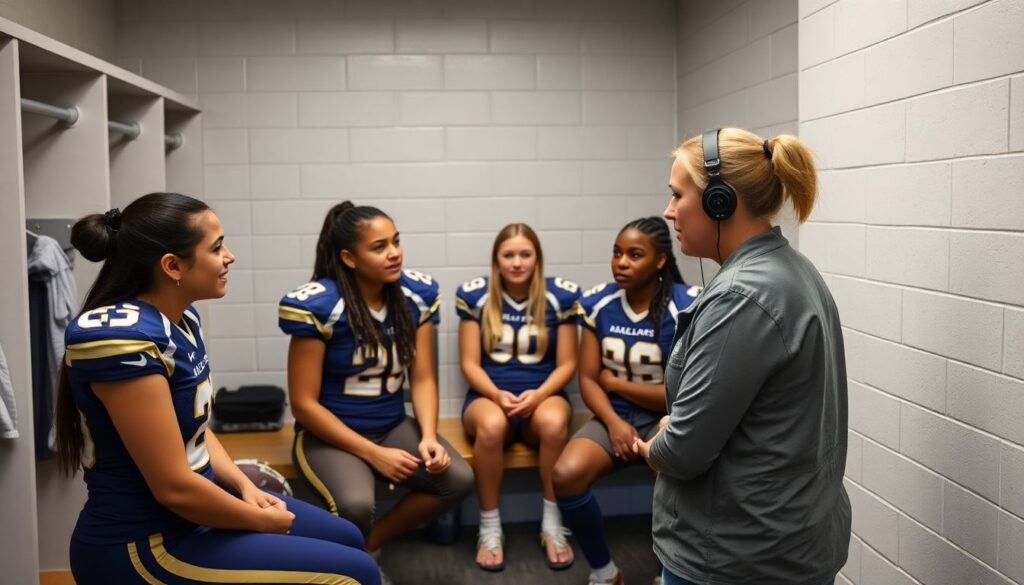
When classic one-to-one mentoring is not possible, consider these safe, structured alternatives that still support development in women’s football.
- Small group mentoring circles
- One mentor works with 3-6 players or young coaches sharing a common goal (for example, transitioning from youth to senior football).
- Suitable when mentor time is limited but you want peer support and shared learning.
- Peer-to-peer mentoring pairs
- Two players or coaches at similar levels support each other with agreed topics and check-ins, while a senior figure supervises from a distance.
- Useful in academies and universities to normalise mutual help and leadership skills.
- Structured online programmes
- Clubs, federations or private providers run cursos online de mentoría para entrenadoras de fútbol femenino or blended programmes combining webinars, tasks and supervised practice.
- Effective when geography, costs or schedules make in-person mentoring difficult.
- External professional mentoring services
- Specialised organisations offer long-term consulting and mentoring packages for clubs, including formación de mentores en fútbol femenino certificada.
- Useful when a club wants to build a sustainable internal mentoring culture but lacks initial expertise.
Whichever model you choose, keep the same backbone: clear goals, inclusive planning, safe relationships, simple metrics and regular adjustment.
Practical concerns and concise solutions for implementation
How much time should a mentor and mentee realistically invest each month?
For most amateur or semiprofessional contexts, 2-3 hours per month is a realistic starting point: one structured session plus light follow-up. Adjust depending on season phase, studies and travel, and reassess time commitments every three months.
Can mentoring replace professional psychological or medical support?
No, mentoring cannot replace qualified health professionals. Mentors can listen, encourage and signpost resources but must not give medical or psychological diagnoses. Establish clear referral routes to club doctors or psychologists when serious issues appear.
How do we handle confidentiality and safeguarding, especially with minors?
Agree clear rules at the start: what stays private, what must be reported, and to whom. For minors, follow club and legal safeguarding policies, keep parents or guardians appropriately informed, and avoid unsupervised one-to-one spaces or private messaging without transparency.
What if the mentor-mentee relationship is not working?
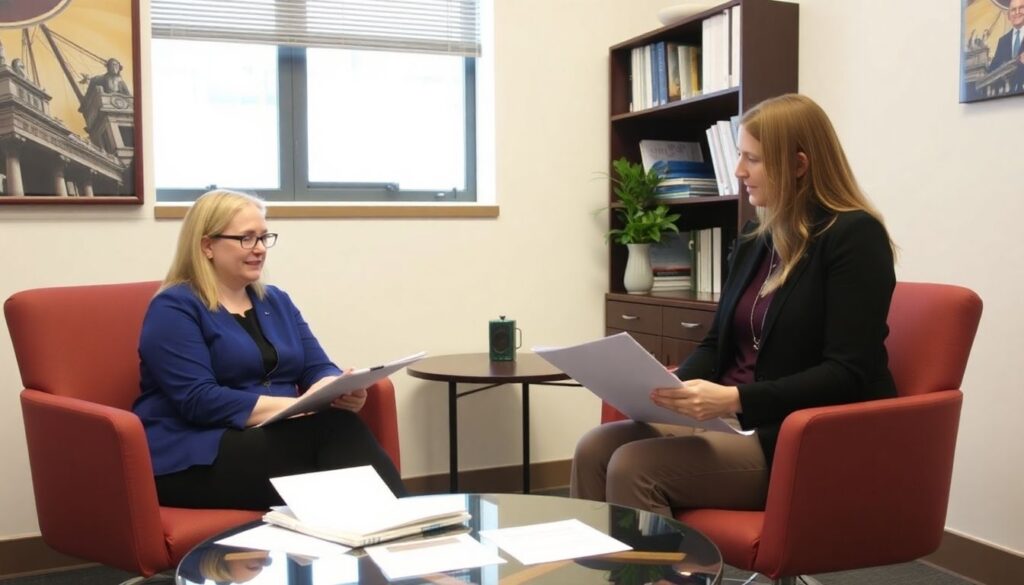
Use a trial period of 4-8 weeks with a planned review. If trust or progress is clearly low, allow either side to request a change without blame, document the reasons briefly, and reassign the mentee to another mentor or support option.
How can small clubs with limited budgets start mentoring?
Begin simple: volunteer mentors, group sessions, and basic tracking sheets. Focus on one age group or team, use free online tools, and seek partnerships with local universities or federations that may provide training, guest mentors or low-cost programmes.
Is it better to use internal mentors or external professionals?
Internal mentors understand culture and daily realities; external professionals add specialised knowledge and neutrality. Many clubs combine both: internal mentors for day-to-day support and external services for training mentors, complex cases or strategic programme design.
How do we measure if mentoring is worth the effort?
Define 3-5 indicators at the start, such as retention, perceived confidence, progression to higher teams or coaching licences. Review these at least twice per season and collect short written reflections from mentees about what has changed in their football and personal life.