Categoría: Análise de Partidas
-
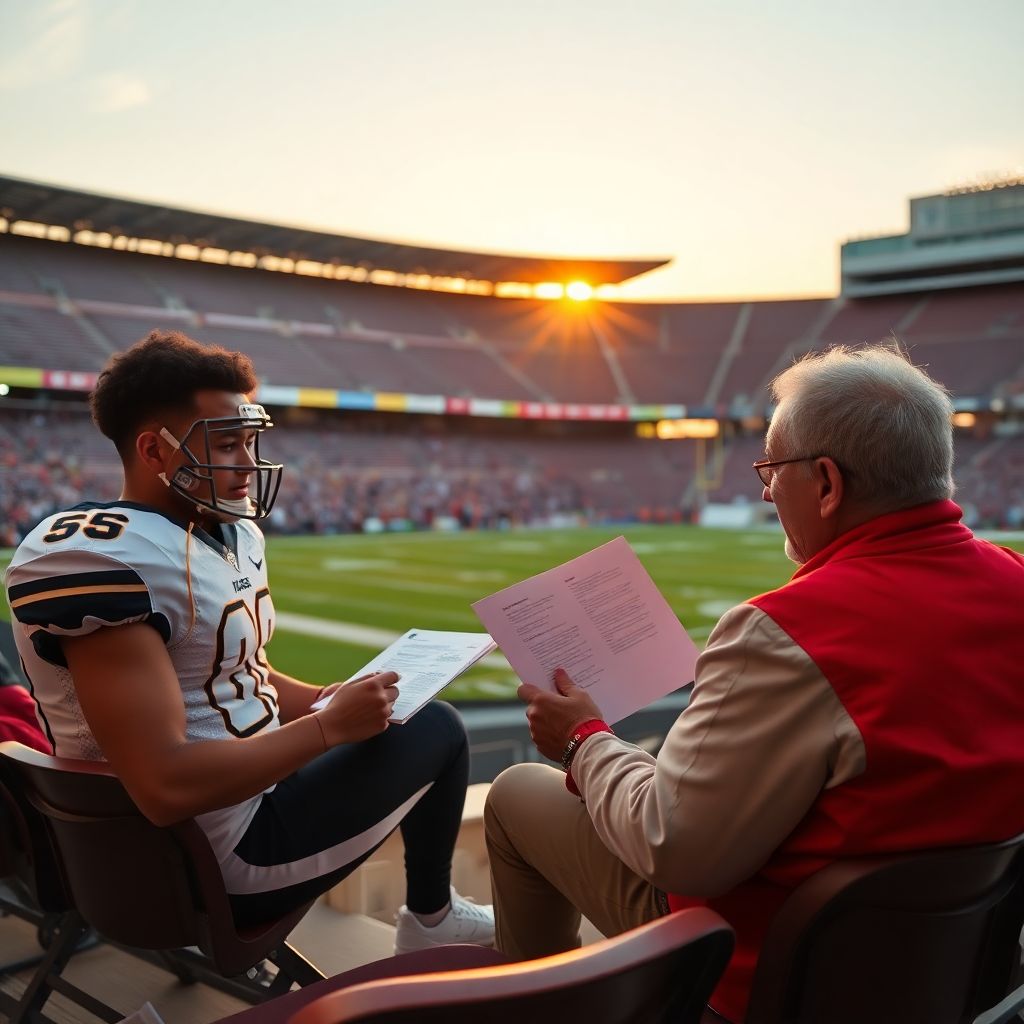
Inspiring stories of players rising from youth academy to pro with mentoring support
Mentorship helps youth players turn academy potential into professional careers by adding personalised guidance, psychological tools and strategic decisions around training, exposure and contracts. By learning from real stories of mentored players, you can copy safe, practical steps to find mentors, structure support, handle risk and progress from base level to pro. Core takeaways from…
-
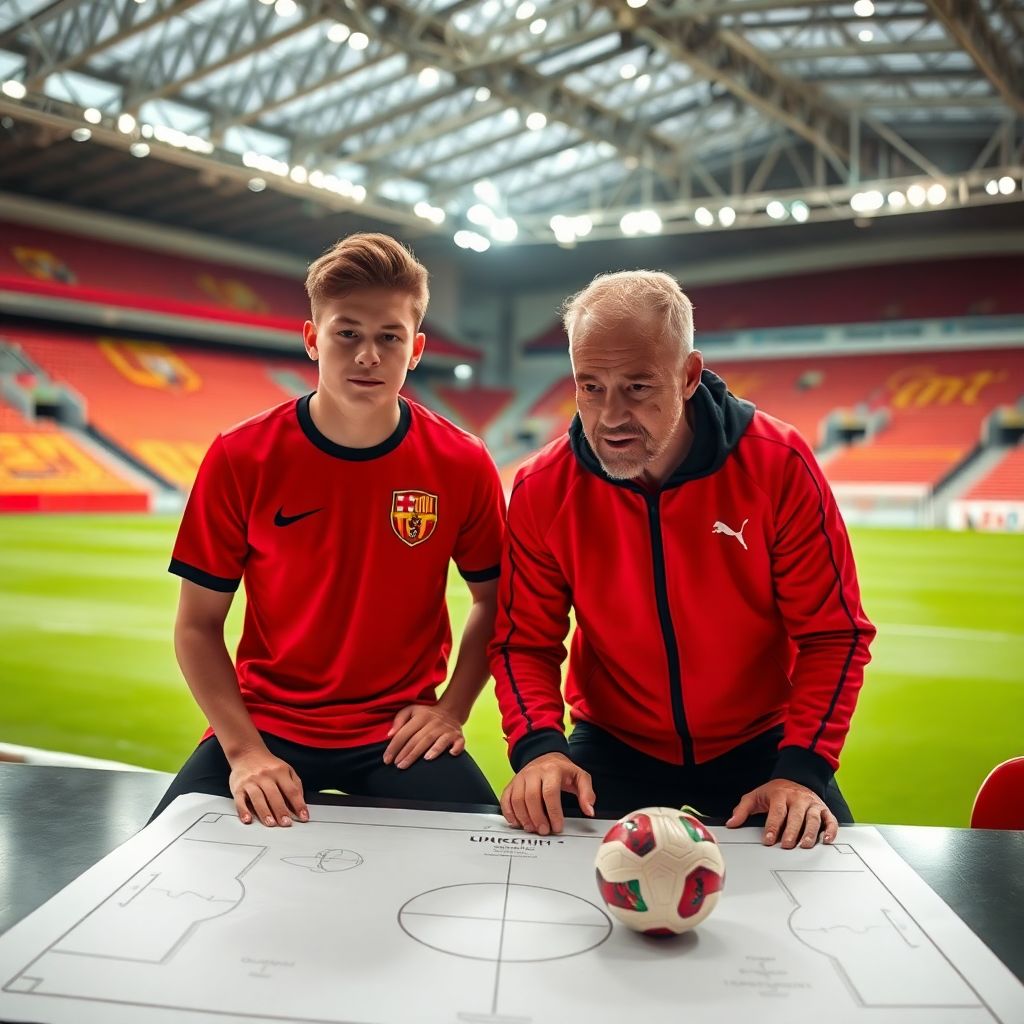
Build a successful football career plan with the guidance of a trusted mentor
A solid football career plan with a mentor starts by honestly assessing your level, defining realistic goals, and choosing a trusted guide who understands your context (Spain, league structure, and regulations). Together you map training, exposure, and education, manage trials and contracts safely, and review progress regularly to adjust or pivot. Core career building elements…
-

Data reading and statistics: how to interpret numbers to understand match results
To interpret match statistics safely, start with a few reliable sources, focus on simple metrics (shots, xG, possession, field tilt) and always place them in context: tactics, form and fatigue. Use numbers to understand how a game was played, not to guarantee results or force risky bets. Essential metrics to scan before the match Compare…
-
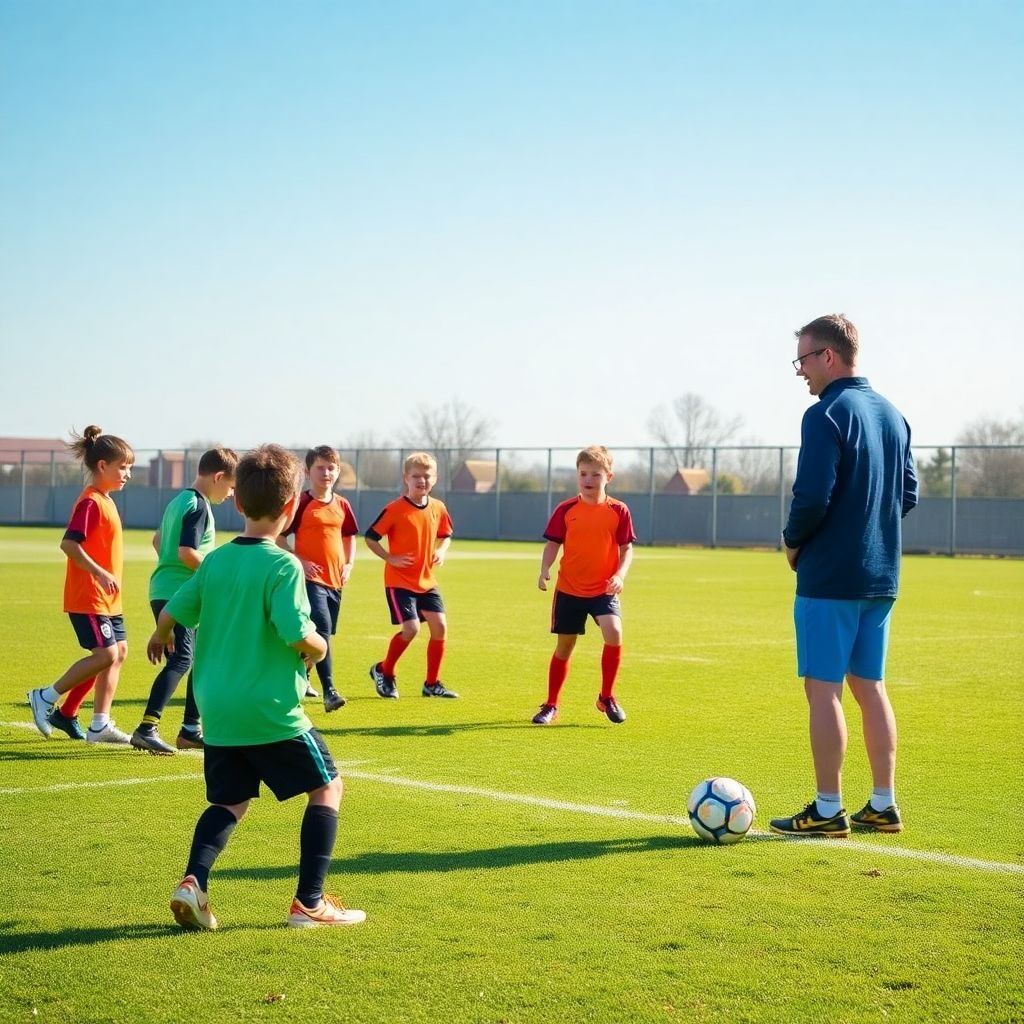
Common mental errors in young footballers and how mentoring helps correct them
Young footballers repeat mental errors such as rushing decisions, freezing under pressure and losing focus after mistakes. Correcting them requires structured mentoring: simple language, short mental drills tied to training, and basic monitoring (self-ratings, coach notes). Combine individual talks, group routines and safe, age-appropriate challenges, especially in Spanish grassroots environments. Primary mental mistakes to address…
-

Physical and mental preparation before a big sporting event: key routines and habits
To prepare physically and mentally before a major sporting event, stabilise daily habits weeks in advance, not just the last days. Combine simple strength and mobility work, consistent sleep, structured warm-ups, basic nutrition and hydration rules, and short mental routines. Adjust volume to your sport, respect pain signals, and avoid last-minute experiments. Pre-match Essentials: Physical…
-

Deep tactical analysis of the last national clásico and its lessons on modern strategies
The last clásico nacional exposed modern football strategies in real match speed: flexible shapes instead of fixed formations, pressing based on clear triggers, controlled build-up through the keeper, wide overloads, and prepared set-plays. For coaches, the key is correcting common structural errors early, not inventing new systems every week. Myths Debunked and Immediate Takeaways from…
-
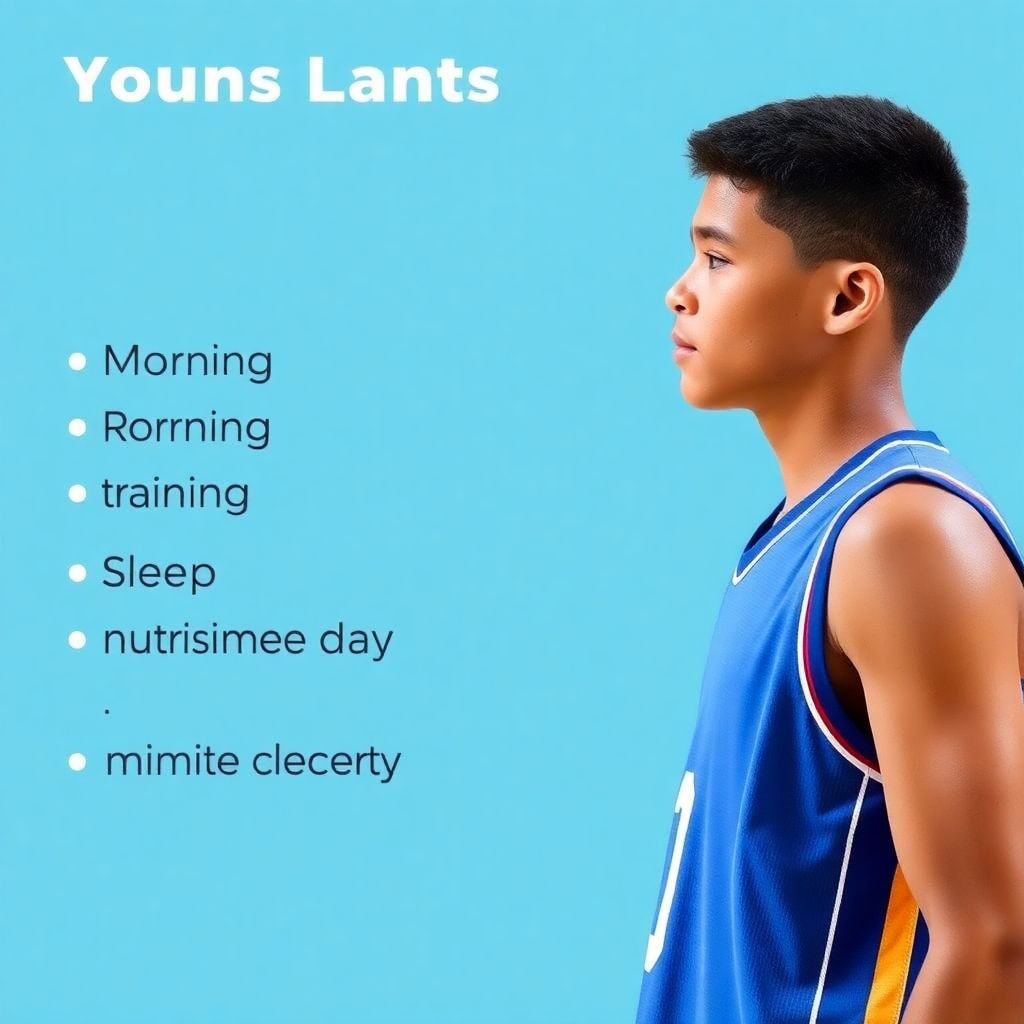
Winning mindset: daily off-court habits that transform your performance
A winning mentality comes from simple, repeatable daily habits outside the court: short morning routines, basic mental training, stable sleep, smart nutrition, and brief reflection loops. Combine these with small team rituals and, over weeks, your confidence, focus and emotional control translate directly into more consistent game-day performances. Core Daily Principles That Translate to Game-Day…
-
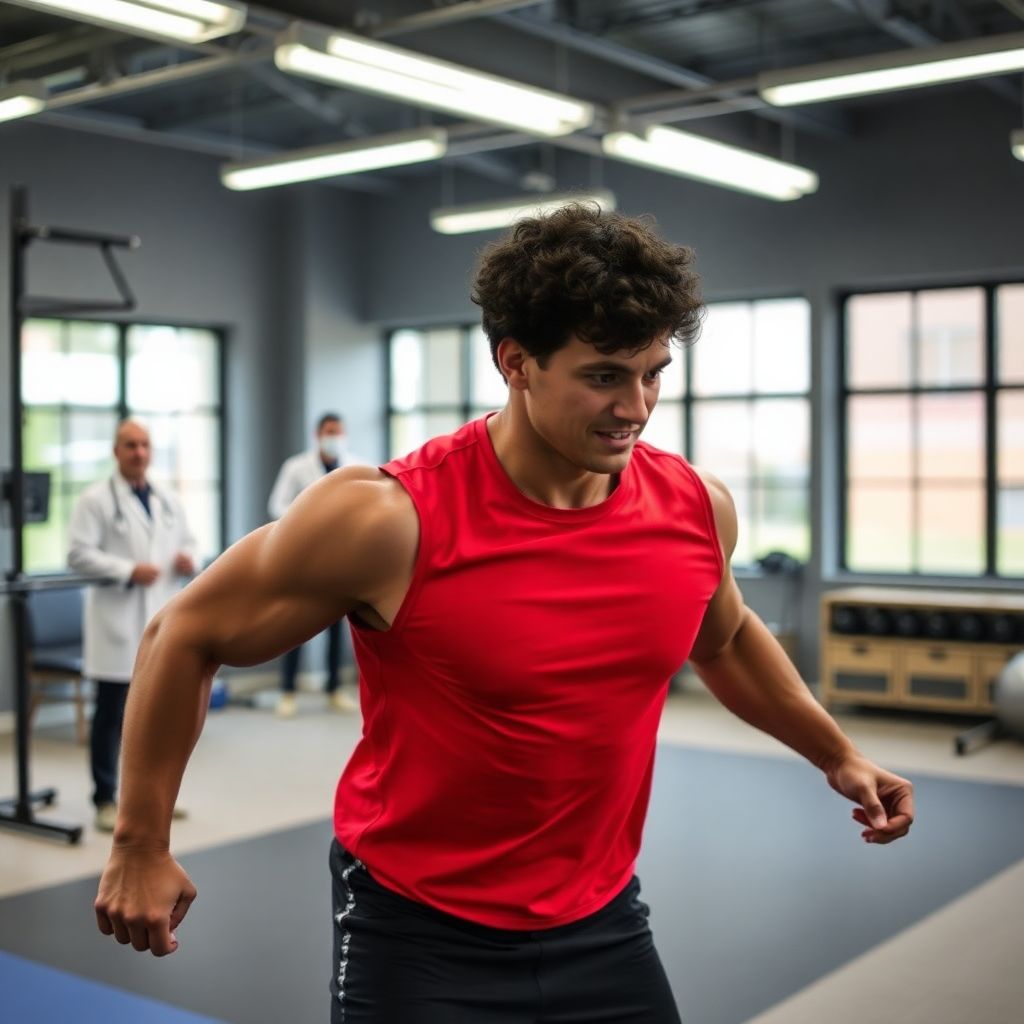
Overcoming serious injuries: inspiring stories of the journey back to peak performance
Returning to elite sport after a severe injury requires a structured, medically supervised pathway: thorough initial assessment, a phased rehabilitation plan, objective progression criteria, and clear return-to-play testing. Combine high-quality medical care with psychological support, sport-specific retraining, and long-term prevention to transform your recovery into a realistic, safe comeback story. Essential milestones for returning to…
-
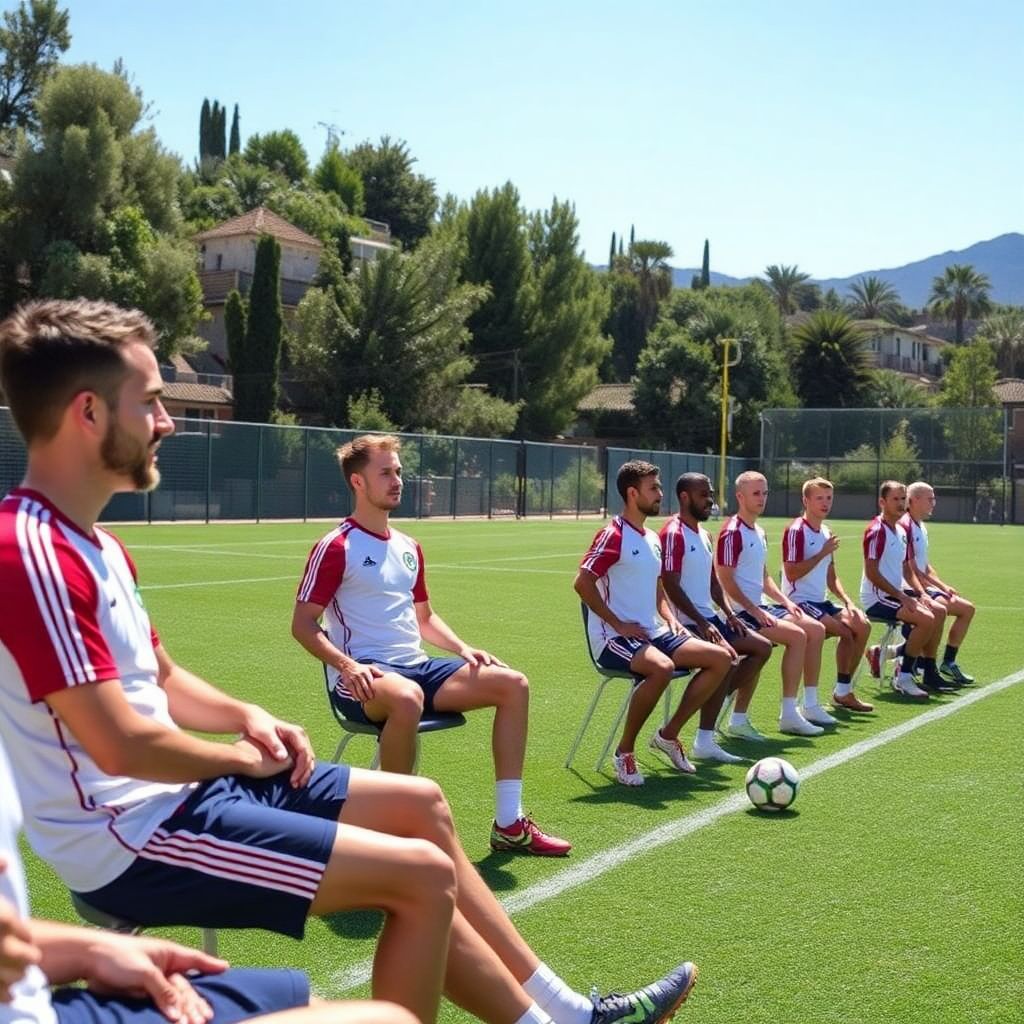
Preparing a team for a short tournament: managing physical and mental load
A team preparing for a short football tournament in Spain needs a clear plan for physical and mental load management: reduce volume while keeping intensity, control minutes, prioritize sleep and nutrition, and use simple mental routines. Focus on safety: prevent overload, respect pain signals and adjust for age, fitness and playing level. Core principles for…
-
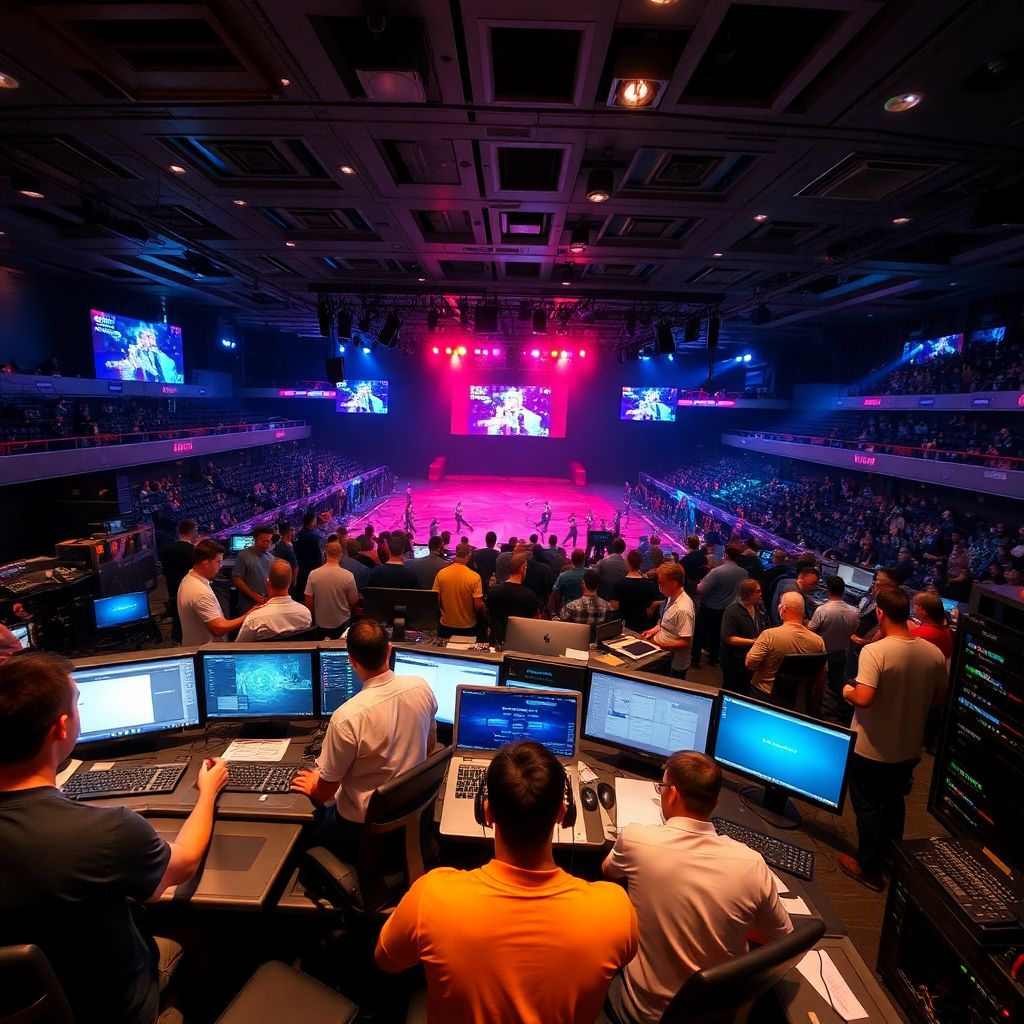
Inside major esports event coverage and backstage: what you never see on Tv
Running backstage coverage for large esports events means planning months ahead, locking venue rules, power and connectivity, then designing resilient AV and broadcast flows. You coordinate teams, protect competitive integrity, manage press access and build fallback plans for failures. This guide gives step‑by‑step procedures, checklists and incident options that work in real arenas. Off-camera realities…