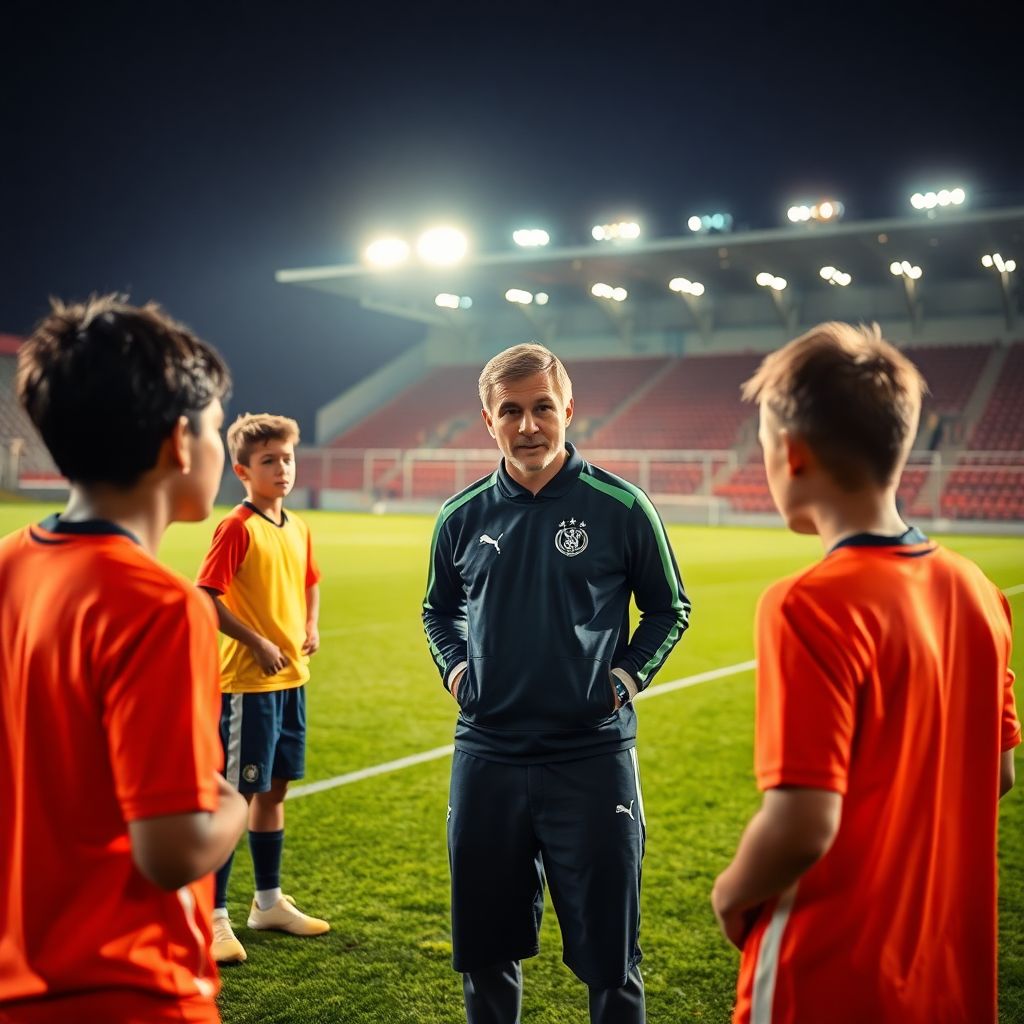
Mentoring in football means guiding players as people, not only as athletes: you help them think, decide and lead on and off the pitch. As a coach, you set clear roles, listen deeply, give constructive feedback and link every technical drill with mental, emotional and team‑culture growth.
Core mentoring principles to emphasize
- See yourself as both coach and mentor: you develop people, not just performances.
- Set clear boundaries so mentoring never replaces professional mental‑health support.
- Use consistent, honest communication that links expectations, feedback and care.
- Prioritise player autonomy: ask questions first, give solutions second.
- Integrate mental and emotional skills into everyday football tasks, not only meetings.
- Review mentoring impact regularly and adjust your approach with player input.
Adopting a mentor mindset: roles and boundaries for coaches
Mentoring in football suits coaches who want deeper impact than match results: grassroots trainers, academy staff, and senior coaches leading a young squad. It is especially powerful if you already invest time in individual conversations but feel your support is unstructured or too dependent on intuition.
You should avoid going too far with mentoring when players show signs of serious psychological distress, addiction, self‑harm thoughts or abuse. In those cases, your role is to listen respectfully, avoid judgement and guide the player toward qualified specialists, keeping your focus on sporting and everyday support.
Clear role definition helps you stay effective and safe:
- Performance guide, not therapist – you work on focus, habits, leadership and teamwork, but do not diagnose or treat mental‑health conditions.
- Trusted adult, not best friend – you create closeness with limits: no gossiping, no sharing private details of other players, no blurred relationships.
- Educator, not saviour – you ask players to take responsibility; you do not fix their life for them.
Case scenario. A U17 player arrives late to training for a week. Instead of only punishing, you ask what is happening, listen, and help him design a simple routine to manage homework and transport. You stay coach‑like: clear expectations plus support, not personal rescue.
For coaches in Spain looking to deepen this mindset with structure, a curso de mentoría para entrenadores de fútbol or even a longer máster en coaching y liderazgo deportivo fútbol can provide extra tools and supervised practice.
Designing player-centered development plans with mentoring goals
Mentoring becomes practical when each player has a simple, written development plan that connects technical, tactical, physical and mental objectives. The plan does not need to be long; it must be specific, realistic and visible for both you and the player during the season.
To create these plans, you will need:
- Basic profiling tools: short questionnaires or rating scales on confidence, communication, mindset, and preferred learning style.
- A season overview: key competitions, exam periods at school, holidays and likely high‑stress moments.
- Simple tracking sheets: paper folders, shared spreadsheets or an app where you and players update goals every few weeks.
- Quiet conversation space: a regular, private corner in the clubhouse or stands where you can talk without interruptions.
- Parental alignment (for youth): clear explanation to families that mentoring supports education and performance, not replacing them.
Structure for each individual plan:
- Snapshot: 2-3 strengths and 2-3 growth areas the player agrees with.
- 3-5 concrete goals: mix of on‑ball and off‑ball aspects (e.g., body language, communication, reaction to mistakes).
- Action commitments: what the player will do, what you will do, and how teammates can help.
- Check‑in dates: brief reviews every 4-6 weeks to keep it alive.
Case scenario. A central midfielder struggles with consistency. Together you define three mentoring goals: pre‑match routine, positive self‑talk after errors and one leadership action per game (organising the press or encouraging a teammate). You note these in his plan and revisit them monthly.
If you prefer guided templates instead of designing everything from scratch, seek a structured programa de desarrollo de entrenadores de fútbol or a certificación en coaching y gestión de equipos de fútbol that includes ready‑to‑use worksheets adapted to football.
Communication techniques that build trust beyond tactics
Before applying specific techniques, prepare with this short checklist:
- Block 10-15 minutes weekly for one‑to‑one conversations separate from tactical talks.
- Decide 2-3 open questions you will use consistently with all players.
- Agree basic rules: confidentiality within limits, respect, no interruptions.
- Prepare neutral phrases for difficult moments («Help me understand what happened here…»).
- Choose one small listening habit to improve (eye contact, summarising, or pausing before answering).
-
Open the space with predictable routines
Start mentoring conversations in the same way so players know what to expect. Use short, non‑threatening questions and a calm tone.
- Examples: «How are you arriving today, as a person and as a player?», «What was one good thing and one tough thing this week?»
-
Listen actively and reflect back
Show you are really listening by reflecting content and emotion in simple language. Avoid jumping straight to advice.
- Use phrases like: «So you felt… when…», «If I understood correctly, the main issue is… Is that right?»
-
Ask coaching questions before giving answers
Guide players to find their own solutions. Use open questions that invite thinking about options, consequences and next actions.
- Examples: «What did you learn from that mistake?», «Which two options do you see for the next match?», «What would a captain do in your situation?»
-
Give behaviour‑based feedback, not personal labels
Comment on specific actions you saw, their impact and possible alternatives, instead of judging character.
- Use the structure: «When you… (behaviour), the effect was… Next time, try…»
-
Close each talk with a concrete agreement
End conversations by summarising one small experiment the player will try and how you will support or observe it.
- Write the agreement briefly so both can revisit it after training or games.
Case scenario. After being substituted, a winger is angry. Instead of explaining tactics immediately, you listen: «Tell me how you experienced the change.» You reflect his frustration, ask what he might do differently next time, then agree one focus for his next appearance.
For coaches who feel insecure about communication, a structured formación online para entrenadores de fútbol con mentor can provide feedback on your real conversations through video or written reflection.
Cultivating leadership, resilience and emotional intelligence
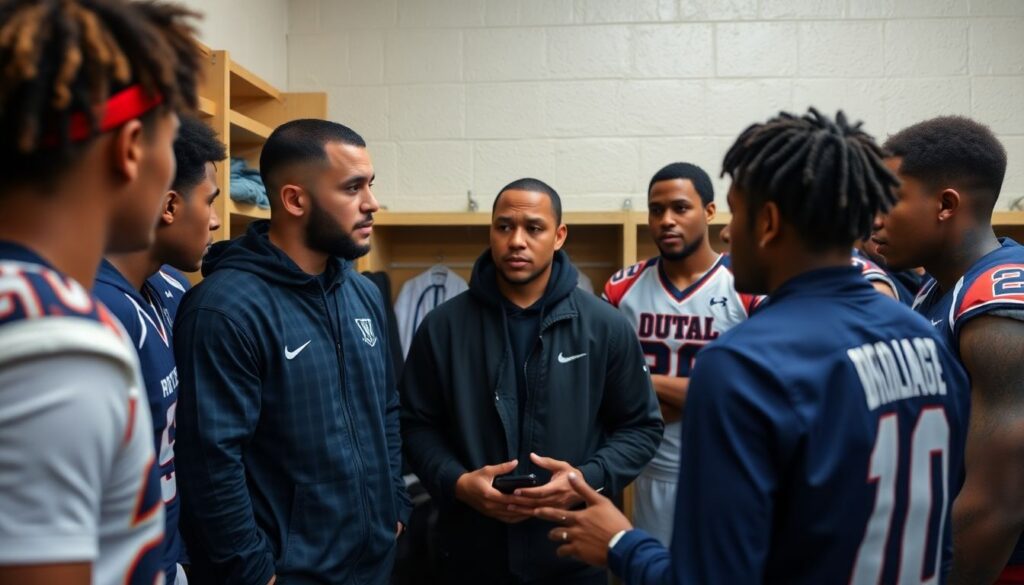
Use this checklist to see if your mentoring is developing deeper psychological skills in your team. Review it monthly and adjust your behaviour and training design accordingly.
- Players recover emotionally from defeats faster and talk about lessons, not only unfairness or blame.
- Different players (not only captains) initiate huddles, give instructions or calm others during tense moments.
- Teammates offer constructive feedback to each other using respectful language you have modelled.
- More players ask for clarification instead of silently accepting instructions they did not understand.
- After mistakes, body language improves sooner: heads up, communication continues, effort remains high.
- Conflicts still appear, but are surfaced earlier and discussed with you before they explode.
- Shy or quiet players participate more in small‑group discussions and decision‑making tasks.
- Leaders start thinking about the group’s needs (fatigue, tension, motivation) and adapt how they speak.
- Players can name their emotions (nervous, angry, disappointed, excited) and choose coping strategies you practised.
- In pressure matches, the team follows pre‑agreed routines (breathing, key words, mini‑huddles) instead of improvising.
Case scenario. Before penalties, instead of giving only technical advice, you ask two leaders to run a quick huddle with breathing and positive cues you trained previously. Even players who miss a penalty maintain composure and the team supports them automatically.
Practical integration of mental skills into training sessions
Common mistakes often stop coaches from bringing mentoring into the pitch. Being aware of them helps you design safer, more effective sessions where the mental side grows naturally from football actions.
- Separating mental work from football reality – doing long talks about mindset without connecting them to specific drills, roles or match situations.
- Overloading players with concepts – introducing too many psychological tools at once (visualisation, routines, breathing, self‑talk) instead of one at a time.
- Ignoring individual differences – forcing all players to use the same routine or communication style, even when personalities are clearly different.
- Using mental skills as punishment – asking only «problem players» to do reflection tasks, turning mentoring into a negative label.
- Breaking confidentiality on emotional topics – sharing private information revealed in mentoring talks in front of the whole squad.
- Over‑exposing players in group dynamics – pressuring someone to speak about personal issues or fears when they clearly resist.
- Skipping debriefs after mental experiments – trying breathing, routines or team talks but never asking what worked and what did not.
- Neglecting your own self‑management – expecting players to stay calm while you consistently lose control with referees or opponents.
Case scenario. You introduce a focus‑breathing routine before corners in training. Instead of forcing everyone to use it perfectly, you experiment for two weeks, then ask players who liked it to explain how it helped and adapt it together.
Evaluating mentoring outcomes and refining your approach
Mentoring is not the only way to support your team beyond tactics. Depending on your context, time and resources, consider these complementary or alternative options and when they fit best.
-
Peer‑mentoring inside the squad
Ask experienced players to support younger ones with routines, feedback and off‑pitch integration. This works well in academies and amateur clubs where staff numbers are limited.
-
Club‑wide educational programmes
Coordinate workshops on nutrition, study habits, social media and respect led by specialists. Ideal when you need consistent messages across many teams and age groups.
-
Collaboration with sport psychologists
Invite a qualified professional to run group sessions or individual consultations, especially if you see persistent anxiety, conflicts or motivation issues beyond your expertise.
-
Formal coach education pathways
Enrolling in a curso de mentoría para entrenadores de fútbol, a broader máster en coaching y liderazgo deportivo fútbol or a certificación en coaching y gestión de equipos de fútbol can help you structure what you already do intuitively and share experiences with other coaches.
Case scenario. After a season with many emotional ups and downs, you keep your mentoring habits but also propose to the club a joint project: team workshops with a psychologist plus internal peer‑mentors in older age groups to support the youngest players.
Typical mentoring dilemmas and concise solutions
How much personal information should I share with my players?
Share enough to be human and credible (past experiences, lessons learned) but avoid details about your private life, other players or staff conflicts. Ask yourself whether the information helps their development; if not, keep it to yourself.
What if a player tells me something very serious in confidence?
Explain from the start that confidentiality has limits when safety is at risk. If a player reveals self‑harm thoughts, abuse or illegal behaviour, stay calm, listen, and follow your club’s safeguarding protocol, involving qualified professionals while informing the player about next steps.
How can I mentor when I have very little training time?
Use micro‑mentoring: 2-3 minute check‑ins before or after training, brief questions during water breaks and short debriefs after matches. One or two quality conversations per week are better than trying to speak superficially with everyone every day.
What if some players reject mentoring conversations?
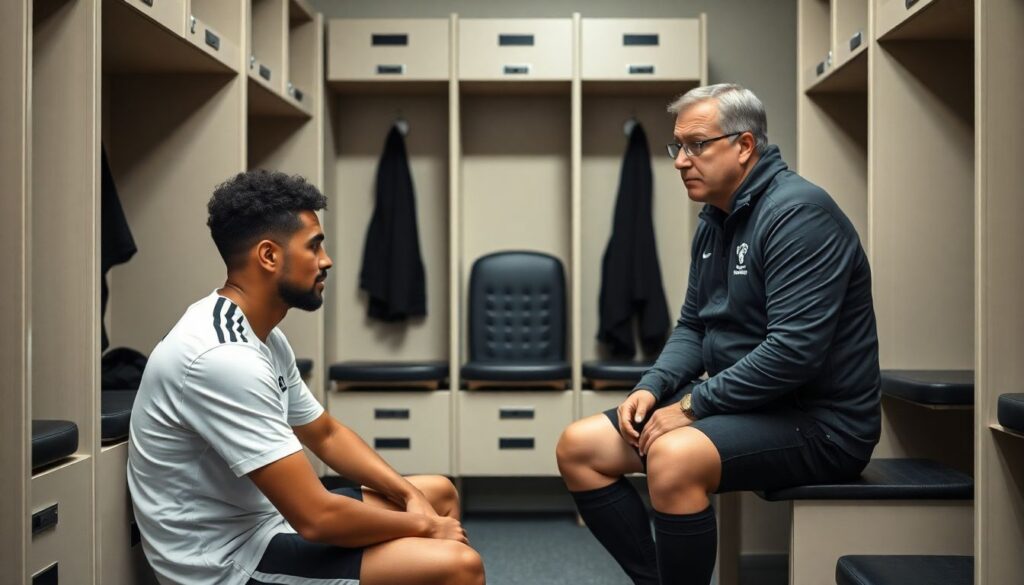
Respect their pace and avoid forcing deep talks. Offer small, practical support linked directly to football (pre‑match routine, set‑piece role) and show consistency over time. Trust grows with actions; many resistant players open up once they feel you will not judge or expose them.
How do I balance criticism and support in mentoring?
Use a clear structure: recognise one concrete strength, describe one behaviour to improve, and end with a realistic next step. Stay specific, talk about actions not personality, and link feedback to the player’s own goals from their development plan.
Can I mentor my captains differently from the rest of the team?
Yes, but keep transparency. Have more frequent, leadership‑focused talks with captains while making sure every player still receives some individual attention. Explain to the group why captains get extra mentoring: it is about responsibility, not preference.
How does formal education help my mentoring practice?
Programmes like a formación online para entrenadores de fútbol con mentor or a structured programa de desarrollo de entrenadores de fútbol give you frameworks, supervision and peer feedback. This helps you avoid blind spots and adapt mentoring tools to different ages and competition levels safely.