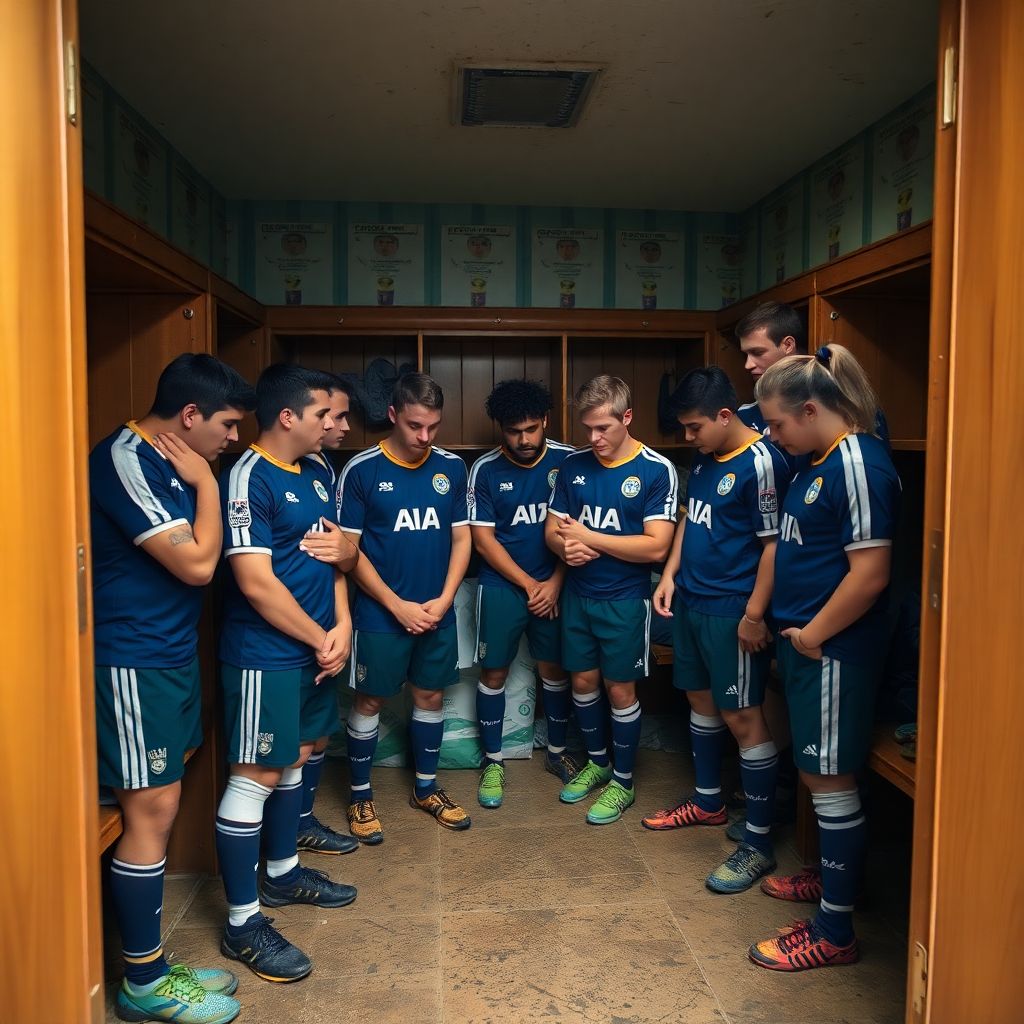
Emotional intelligence in the locker room and on the pitch means reading emotions (yours and others), regulating pressure, and communicating so the team stays united when it matters most. It turns conflict into collaboration, nerves into focus, and ego into collective effort, even in grassroots clubs with very limited resources.
Core Emotional Skills to Prioritize
- Self-awareness: noticing your emotional state and how it affects decisions, body language, and performance.
- Self-regulation: calming down quickly after mistakes, unfair calls, or provocation.
- Empathy: understanding what teammates feel, not only what they do.
- Constructive communication: giving and receiving feedback without blame or sarcasm.
- Motivation management: staying engaged during bad runs, bench time, or injuries.
- Conflict navigation: disagreeing strongly while still protecting trust in the group.
Understanding Emotional Intelligence in Team Sports
In team sports, emotional intelligence (EI) is the ability to recognize, understand, and manage emotions so that the group performs better together. It links what players feel in the locker room with how they decide, communicate, and execute on the field or court.
For an intermediate-level team or academy, EI is not about being soft; it is about being smart with emotional energy. A squad with high EI turns pressure into focus, anger into intensity within the rules, and frustration into useful adjustments instead of excuses or blame.
EI in sport usually covers four areas: self-awareness, self-management, social awareness (reading others), and relationship management (leading, following, and resolving tension). These areas shape how captains lead, how coaches correct, and how substitutes accept difficult roles without breaking team unity.
Even without a formal curso inteligencia emocional para deportistas or specialist staff, coaches can integrate emotional skills into warm-ups, video sessions, and post-match talks, using short reflection questions and simple routines as part of everyday practice.
How Locker Room Dynamics Reflect EI
Locker room behaviour often reveals the real level of emotional intelligence in a team, more than any slogan on the wall. Key patterns to watch:
- Response to criticism: Do players become defensive and silent, or ask questions and adjust? High-EI groups depersonalise feedback.
- Pre-game tension: Is there support for anxious teammates, or jokes that minimise their feelings? Empathic squads normalise nerves and share coping tools.
- Post-defeat atmosphere: Low-EI rooms search for someone to blame; high-EI rooms move from emotion to analysis within a short time.
- Micro-groups and cliques: Natural friendships exist, but when subgroups isolate others, it signals poor social awareness and low relational EI.
- Hierarchy and voice: In mature teams, younger or quieter players can speak up in meetings without ridicule or instant shutdown.
- Humour style: Banter that strengthens belonging is fine; constant sarcasm and personal attacks show weak impulse control and empathy.
For example, in entrenamiento inteligencia emocional en el fútbol, a coach might observe who comforts a defender after an own goal, who laughs, and who ignores the situation. These micro-reactions show whether the group protects or exposes its more vulnerable members.
Emotional Regulation During Competition
During competition, emotional regulation is the bridge between mental preparation in the locker room and tactical execution on the pitch. Typical scenarios where EI is decisive include:
-
Early mistake or goal conceded.
A goalkeeper misjudges a cross in minute 5. With good EI, teammates use clear, stabilising messages ("We stay compact, next action"), while the keeper breathes, resets posture, and focuses on basic cues instead of replaying the error mentally. -
Provocation and unfair decisions.
An opponent keeps trash-talking and the referee misses a clear foul. Emotionally intelligent players recognise the rising anger, label it ("I am angry, but I stay in my role"), and channel it into legal intensity instead of reckless fouls or cards. -
High-pressure finishes.
In the last minutes, heart rate and thoughts race. EI tools include short breathing routines before set pieces, focusing on one simple task, and pre-agreed phrases between teammates to reset focus ("Ball, line, cover" instead of "Don't mess it up"). -
Bench frustration and role acceptance.
A player who expected to start stays on the bench. Good EI appears when they regulate disappointment, support the team vocally, and stay ready to enter. Coaches can help by explaining roles clearly and validating the emotion without letting it dictate behaviour. -
In-game tactical changes.
Sudden changes create uncertainty. Emotionally intelligent captains repeat the new plan, check that teammates understand, and use brief reassurance ("We trained this, trust the shape") to avoid panic and disorganisation.
These situations are frequently practised in a structured taller inteligencia emocional para equipos deportivos, but even small amateur teams can role-play them in training games and short freeze-and-reflect breaks.
Building Trust Through Empathy and Communication
Trust is the emotional currency of any successful team. Empathy allows players and coaches to perceive what others feel; communication turns that perception into concrete actions that maintain or restore trust. Without both, even technically strong squads fracture under stress.
Benefits of prioritising empathy and communication
- Better cooperation in tight spaces because players anticipate teammates' reactions, not just their positions.
- Faster recovery after internal conflicts, as people feel heard and respected, not humiliated.
- Greater adherence to tactical plans, since players understand the why behind instructions, not only the what.
- Higher psychological safety in the locker room, encouraging honest feedback and learning from errors.
- More resilient leadership, where captains and veterans support younger players instead of intimidating them.
Limitations and common obstacles to keep in mind
- Time pressure: short training slots leave little room for deep conversations; EI work must be integrated into existing drills.
- Cultural norms: in some groups, showing emotion is seen as weakness, so starting with very small, practical changes is wiser.
- Power dynamics: if the head coach ignores emotional aspects, assistant coaches or captains may feel limited in what they can change.
- Resource constraints: not every club can hire a coach de inteligencia emocional para atletas; many must use low-cost or free learning materials.
- Over-romanticising harmony: total absence of conflict is not realistic; the goal is productive disagreement, not permanent consensus.
Coaching Strategies to Teach EI Skills
Coaches at any level can teach emotional intelligence by turning it into simple, repeatable behaviours. At the same time, there are frequent myths and errors that reduce the impact of this work.
Practical strategies with limited resources
- Two-minute reflection loops: After small-sided games, ask: "What did you feel? What did you do with that feeling? What worked?" Write or say one sentence each.
- Role-play tough moments: Simulate going a goal down, a red card, or a referee mistake. Practise body language, breathing, and key phrases before restarting play.
- Peer feedback mini-circles: In groups of three, players share one strength and one behaviour to improve, using fixed sentence frames to avoid attacks.
- Video plus emotion: When reviewing clips, ask players to name what they were feeling at that moment and how it influenced their decision.
- Low-cost learning: Use podcasts, articles, or a formación online inteligencia emocional en el deporte instead of expensive seminars; discuss one idea per week in the locker room.
Typical mistakes and myths about EI in sport
- Thinking EI is "only for problems": It should be trained when things go well, not just after crises.
- Confusing EI with being nice: Emotional intelligence includes setting clear limits and having uncomfortable conversations respectfully.
- Overloading players with theory: Long talks and abstract models rarely transfer; brief, repeated practice in real drills works better.
- Expecting instant change: EI habits take time; measure progress in small behavioural shifts, not personality transformations.
- Delegating everything to specialists: Even if you run a curso inteligencia emocional para deportistas, daily reinforcement by the head coach and captains is essential.
Measuring and Reinforcing Emotional Growth
To make emotional intelligence a serious part of performance, teams need simple ways to observe, measure, and reinforce progress. Measurement does not need complex tests; it can be built into weekly routines.
Simple indicators for everyday training
- How quickly the team regains structure after conceding in training games.
- Number of training sessions where conflict escalates vs. is solved constructively on the spot.
- Percentage of players who speak at least once during short team meetings.
- Frequency of supportive communication after errors compared with blaming comments.
Mini-case: building EI in a resource-limited team
A regional football team in Spain had no budget for external experts. The coach decided to treat EI like any other tactical routine:
- Every Monday, 10 minutes were reserved to review one emotional situation from the last match (mistake, conflict, or pressure moment).
- Players described: what happened – what they felt – what they did – what they will try next time.
- The staff tracked three behaviours: body language after goals, communication after mistakes, and bench attitude.
- At the end of each month, they highlighted two concrete improvements per player and one next step for the group.
Without new equipment or extra staff, the team learned to name emotions, stabilise quickly after setbacks, and keep the locker room environment constructive even during a difficult run of results.
Common Practical Concerns and Solutions
How can a small club work on emotional intelligence without extra budget?
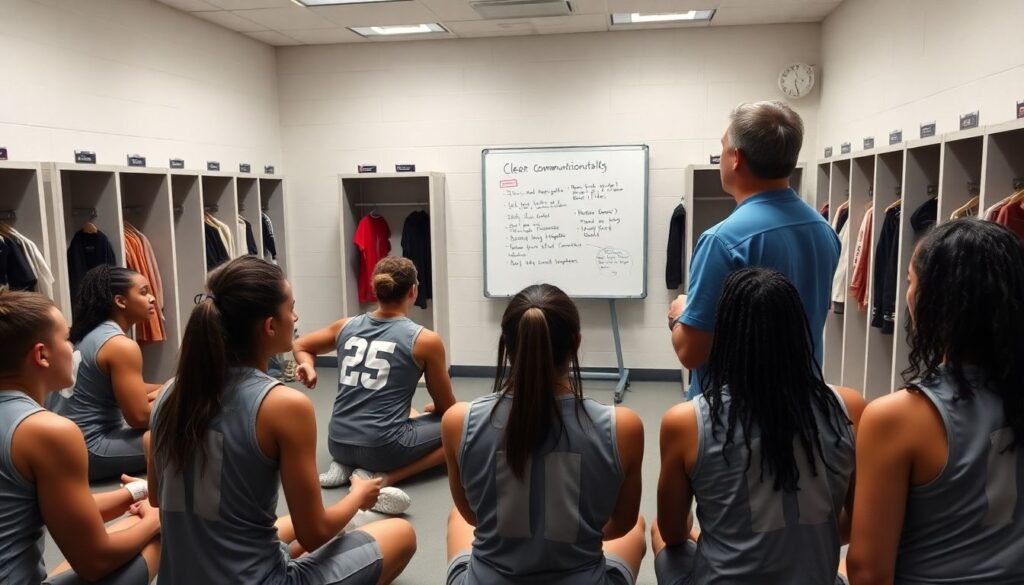
Integrate EI into existing activities: brief reflection after drills, simple breathing routines in warm-ups, and clear communication rules in the locker room. Use free online resources and peer discussion instead of paid workshops.
Won't talking about emotions make the team softer in competition?
When trained correctly, EI makes the team tougher, not softer. Players learn to stay focused under pressure, channel anger legally, and recover faster from mistakes, which directly improves competitive edge.
How do I convince veteran players who resist this kind of training?
Start with performance language, not psychology language. Show concrete clips where emotional reactions hurt results, then offer EI tools as practical solutions. Involve respected veterans in leading short activities.
What is a realistic first EI goal for one season?
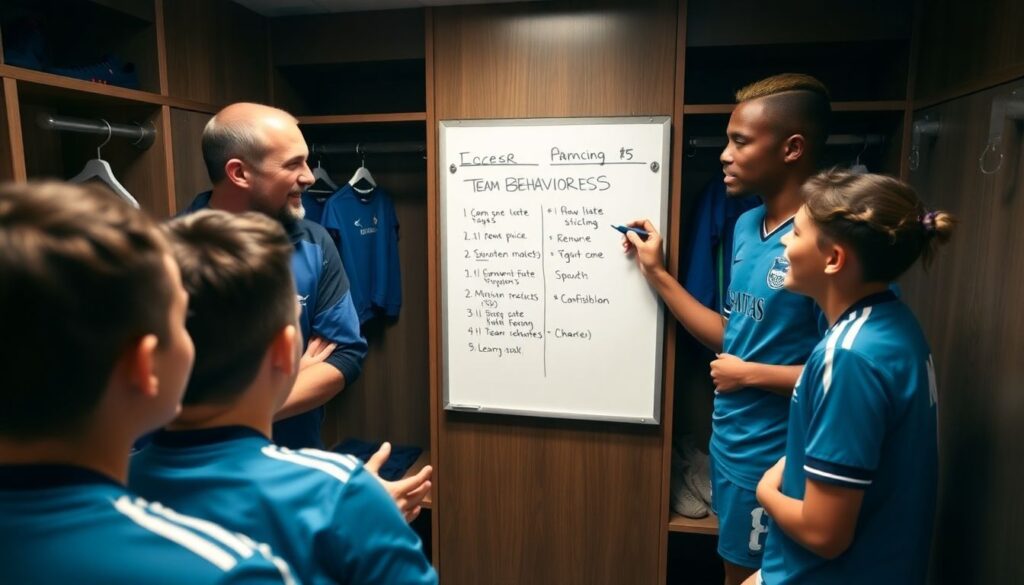
Choose one or two observable behaviours, such as "how we respond after conceding" or "how we speak after errors". Track them consistently and celebrate small improvements to maintain motivation.
Can emotional intelligence be trained with youth squads without confusing them?
Yes, if you keep it concrete and short. Use simple words for emotions, role-play typical situations (losing, being benched, unfair calls), and link every concept to one visible behaviour on the pitch.
How often should we work specifically on EI in our weekly schedule?
Short, frequent touches work best: 5-15 minutes two or three times per week, embedded in normal training. Occasional longer sessions are useful, but daily micro-habits create lasting change.
Is it worth hiring a specialist, or should the head coach lead everything?
A specialist can accelerate progress, but the head coach and captains must own the process. If a specialist is not an option, use assistants and senior players as role models and facilitators of EI routines.