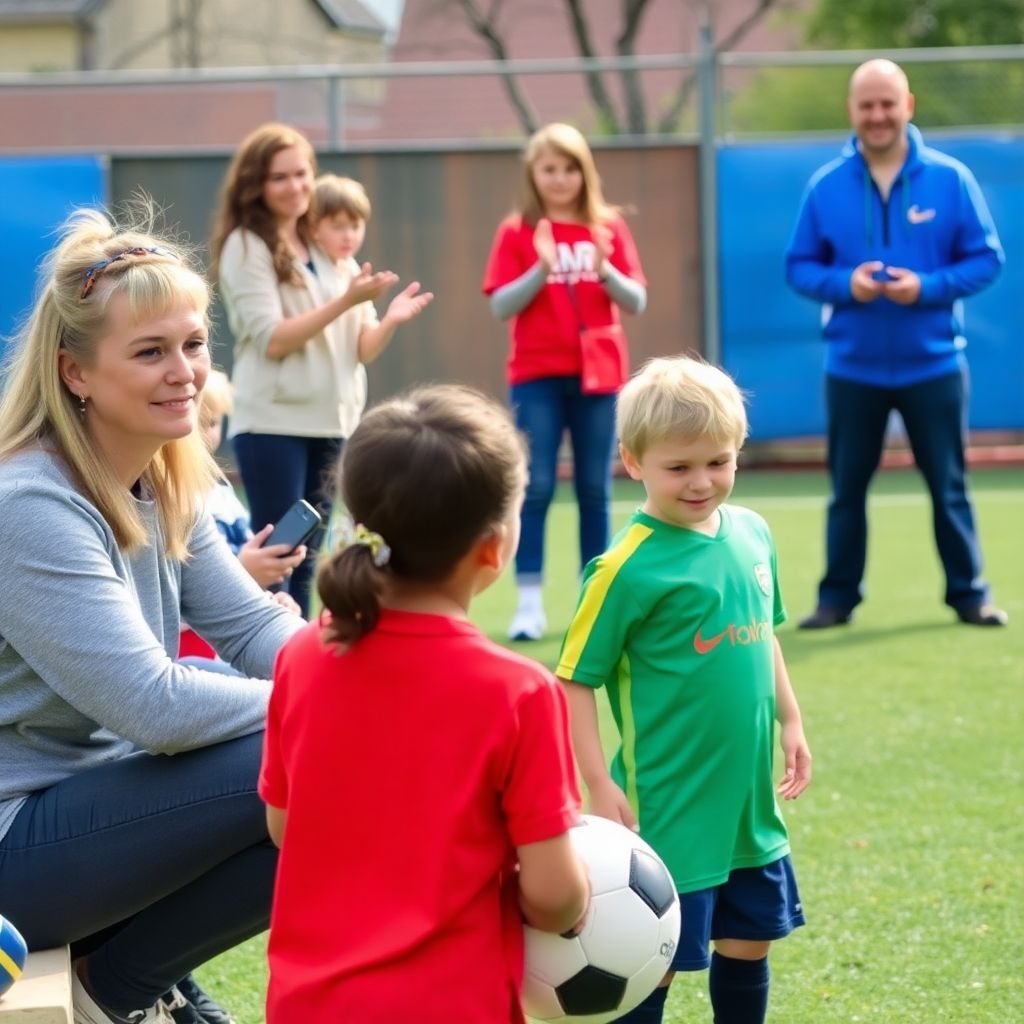
Parental mentoring in youth soccer means offering steady emotional support, clear limits, and healthy routines while leaving technical and tactical decisions to the coach. Focus on enjoyment, learning, and wellbeing, not results. Use simple, repeatable habits at home and on game day so your child feels safe, heard, and self‑motivated.
Core Principles for Parental Mentoring in Youth Soccer
- Prioritise your child’s wellbeing and enjoyment over performance, rankings, or early selection.
- Agree clear family boundaries: school first, respectful behaviour, no football talk after a set evening time.
- Let coaches coach; you focus on emotional stability, logistics, and healthy habits.
- Use short, neutral phrases around matches and avoid giving tactical instructions from the sideline.
- Observe signs of stress or fatigue and be ready to reduce load or speak with the coach.
- Plan long‑term: gradual development across seasons instead of urgent pressure to stand out now.
- Choose environments, like an escuela de fútbol para niños con apoyo a padres, that involve and educate families.
Setting Supportive Boundaries: Balancing Encouragement and Autonomy
This approach suits parents of boys and girls roughly 7-18 who play in clubs, academies, or school teams. It is especially useful when the child feels pressure, compares themselves with others, or faces selection decisions.
Avoid using it if:
- Your child is currently injured and following medical rehabilitation; in that phase, follow medical advice first.
- Your relationship is highly conflictual right now; consider resolving basic communication issues before adding performance goals.
- There is suspected emotional or physical abuse in the sport setting; safety and formal complaints come before mentoring.
Healthy boundary examples:
- Time limits:
- Max number of training sessions per week agreed with coach and school schedule.
- At least one fully free day per week with no football.
- Conversation limits:
- No football talk during dinner unless the child starts it.
- No analysis after a certain evening time to protect sleep and mental rest.
- Decision autonomy:
- The child chooses their position preference and celebration rituals.
- Parents advise on club changes but avoid ultimatums or guilt.
Practical Communication Strategies Before, During, and After Matches
You do not need special technology or complex tools. You need self‑control, a few pre‑agreed family phrases, and basic coordination with coaches, especially in structured programas de formación futbolística juvenil y asesoría para padres or clínicas de fútbol para jóvenes con orientación a padres.
Prepare yourself with:
- Two or three phrases for before the game such as «Enjoy it», «Do your best», «Have fun with your teammates».
- One neutral phrase for after the game regardless of result, for example «I loved watching you play».
- A plan to manage your emotions: deep breaths, walking away from conflict, not responding to other parents’ provocations.
- An agreement with your child on whether they want to talk immediately after matches or later at home.
Game‑day communication checklist:
- Before match:
- Brief check: «How are you feeling? Anything you need?»
- No last‑minute tactical advice; leave that to the coach.
- During match:
- Cheer effort and fair play, not only goals or victories.
- Avoid shouting instructions, comments about the referee, or criticism of teammates.
- After match:
- Offer a hug, water, and calm silence if they are upset.
- Ask one open question later: «What did you enjoy or learn today?»
Designing a Development-Focused Home Routine and Practice Support
Before you design a routine, complete this short preparation checklist:
- Confirm the weekly training schedule, school timetable, and homework load.
- Check available safe spaces for individual practice (park, garden, local pitch).
- Talk with the coach about 1-2 priority skills to reinforce at home.
- Agree as a family on at least one non‑football activity your child enjoys.
- Clarify your own time limits so support stays realistic and sustainable.
-
Map the weekly rhythm
Draw a simple weekly grid with school, official training, and rest. Look for natural 15-30 minute slots for light, playful football activities, no more.
- Protect one full rest day without organised sport.
- Place homework and meals before any extra practice.
-
Set one clear objective per month
Choose a simple focus, such as first touch, weaker foot, or coordination. Avoid long lists. This matches what many curso online para padres de futbolistas jóvenes gestión de presión y apoyo recommend: fewer goals, more consistency.
- Ask the coach: «Which single skill would help most right now?»
- Write the monthly objective where your child can see it.
-
Create short, playful home sessions
Design 10-20 minute mini‑sessions 1-3 times per week, led by the child. Keep them fun and low‑pressure.
- Include simple games: passing against a wall, dribbling around cones, juggling challenges.
- End on a success: easier task or a favourite mini‑game.
-
Use supportive feedback, not coaching
Describe what you see instead of giving technical orders. Encourage effort and attitude rather than correcting every mistake.
- Say: «I saw you keep trying with your weaker foot.»
- Avoid: «You’re doing it wrong, listen to me.»
-
Monitor energy, mood, and school performance
Review once per week how your child is sleeping, eating, and coping with school. Adjust football time if any area declines.
- Reduce extra practice when there are exams or visible tiredness.
- Discuss changes with the coach if the load feels too high.
-
Review and adjust the routine every month
Sit down together to keep what works and remove what feels like pressure. This is similar to a small home «taller para padres de jóvenes futbolistas cómo apoyar без presionar».
- Ask your child: «What should we stop, start, or continue?»
- Update the monthly objective and schedule accordingly.
Recognizing and Managing Stress, Burnout, and Overtraining Signals
Use this checklist regularly. Several items at once mean you should slow down and speak with your child and possibly the coach or a health professional.
- Frequent complaints of headaches, stomach aches, or muscle pain without clear medical cause.
- Noticeable drop in enthusiasm for training, even in normally enjoyable settings like favourite drills or friends’ matches.
- Changes in sleep: difficulty falling asleep, nightmares, or very early waking before big games.
- Increased irritability at home, more conflicts with siblings, or sudden withdrawal and silence.
- Decline in school work, concentration, or teacher reports about attention and participation.
- Fear of making mistakes, perfectionist comments, or crying easily after errors or substitutions.
- Loss of appetite before matches or overeating as emotional compensation afterwards.
- Obsessive talk about selection, scouts, or comparisons with teammates and rivals.
- Repeated minor injuries or slow recovery from normal training loads.
- Statements like «If I don’t become professional, everything is useless» or «You’ll be disappointed if I fail».
Distinguishing Coaching from Mentoring: How and When to Defer to Coaches
Common mistakes that blur your role and increase pressure:
- Giving tactical instructions from the sideline that contradict the coach.
- Replaying every action after the match as if you were analysing a professional team.
- Criticising the coach or teammates in front of your child, especially in the car on the way home.
- Insisting on extra drills that the coach has not recommended, increasing fatigue or confusion.
- Using your own past football experience to overrule the current coach’s plan.
- Speaking to the coach only when you are angry, instead of scheduling calm, short meetings.
- Focusing discussions with your child on playing time rather than learning and behaviour.
- Promising rewards or punishments based on goals scored, clean sheets, or wins.
- Enrolling in every possible camp or escuela de fútbol para niños con apoyo a padres without checking if your child wants that extra load.
- Ignoring club channels, such as official parent meetings or guidance sessions, where alignment with the coaching staff is clarified.
Building a Long-Term Growth Plan: Goals, Milestones, and Flexible Adjustments
Different families and players need different long‑term approaches. Consider these alternatives and when they make sense.
- Enjoyment‑first pathway
Best for children under 12 or anyone whose main motive is fun, friends, and health. Focus on varied sports, school balance, and local teams. Choose friendly environments or clínicas de fútbol para jóvenes con orientación a padres that emphasise experience, not selection.
- Balanced competitive pathway
Suitable for motivated teenagers who manage school well and love competition. Set seasonal goals (technical, tactical, mental) and one simple outcome goal (for example, playing in a specific regional level), reviewed every 3-6 months.
- High‑commitment pathway
For older adolescents already in strong academies with clear professional structures. Here parental mentoring shifts toward emotional stability, managing expectations, and coordination with specialists, often supported by programas de formación futbolística juvenil y asesoría para padres.
- Flexible multi‑sport pathway
Ideal when your child enjoys several activities or shows signs of early overload. Alternate football seasons with other sports or reduce volume. Use a curso online para padres de futbolistas jóvenes gestión de presión y apoyo to learn how to talk about changing goals without guilt.
Parents’ Common Concerns and Practical Responses
What should I say in the car after a bad game?
Keep it very short and calm. Offer support, not analysis: «I’m proud of your effort; if you want to talk later, I’m here.» Wait until emotions cool down before any deeper conversation.
How many training sessions per week are healthy for my child?
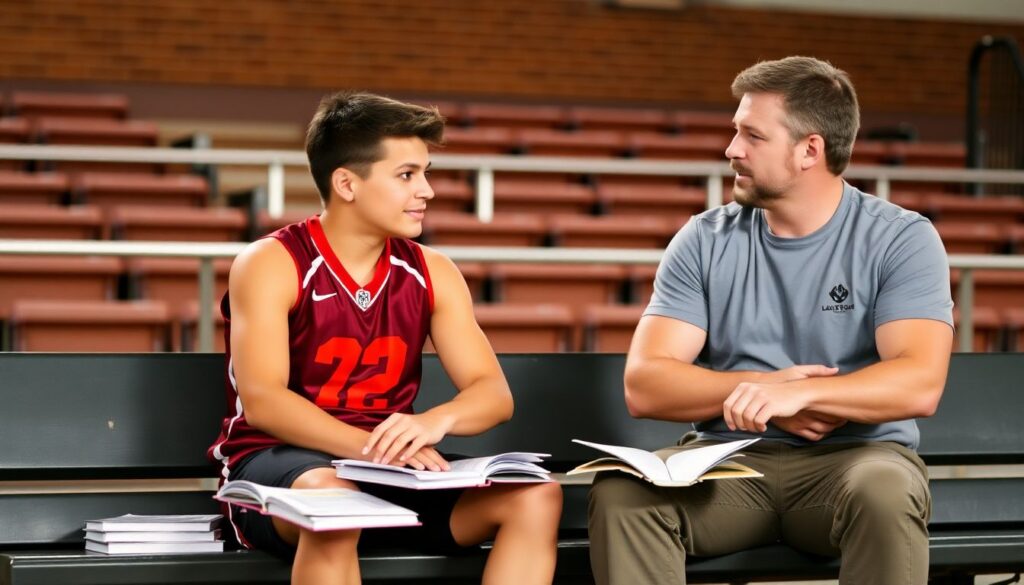
There is no magic number; it depends on age, maturity, school load, and recovery. Watch for stress signs and discuss with the coach. At least one full rest day per week and enough sleep are non‑negotiable.
Should I correct technical mistakes I see from the touchline?
No. Note them if you wish, but let the coach handle technique. Your job during the game is to provide emotional safety and encouragement for effort, fair play, and resilience.
What if the coach’s style seems too harsh or negative?
Observe several sessions and matches before judging. If concerns remain, request a short, respectful meeting, share specific examples, and listen. If safety or respect are compromised, consider changing environment.
How can I help my child handle selection or being benched?
Normalise disappointment and highlight learning. Ask what they can control: effort, attitude, attendance, and communication with the coach. Avoid blaming others or promising interventions you cannot guarantee.
Is extra individual training always a good idea?
Only if your child wants it and has time to recover physically and mentally. Short, playful sessions are usually better than adding heavy workloads on top of full team schedules.
What if my child suddenly wants to quit football?
Listen first and explore reasons without pressure. Propose a pause or a less competitive environment instead of forcing continuation or demanding final decisions in moments of frustration.