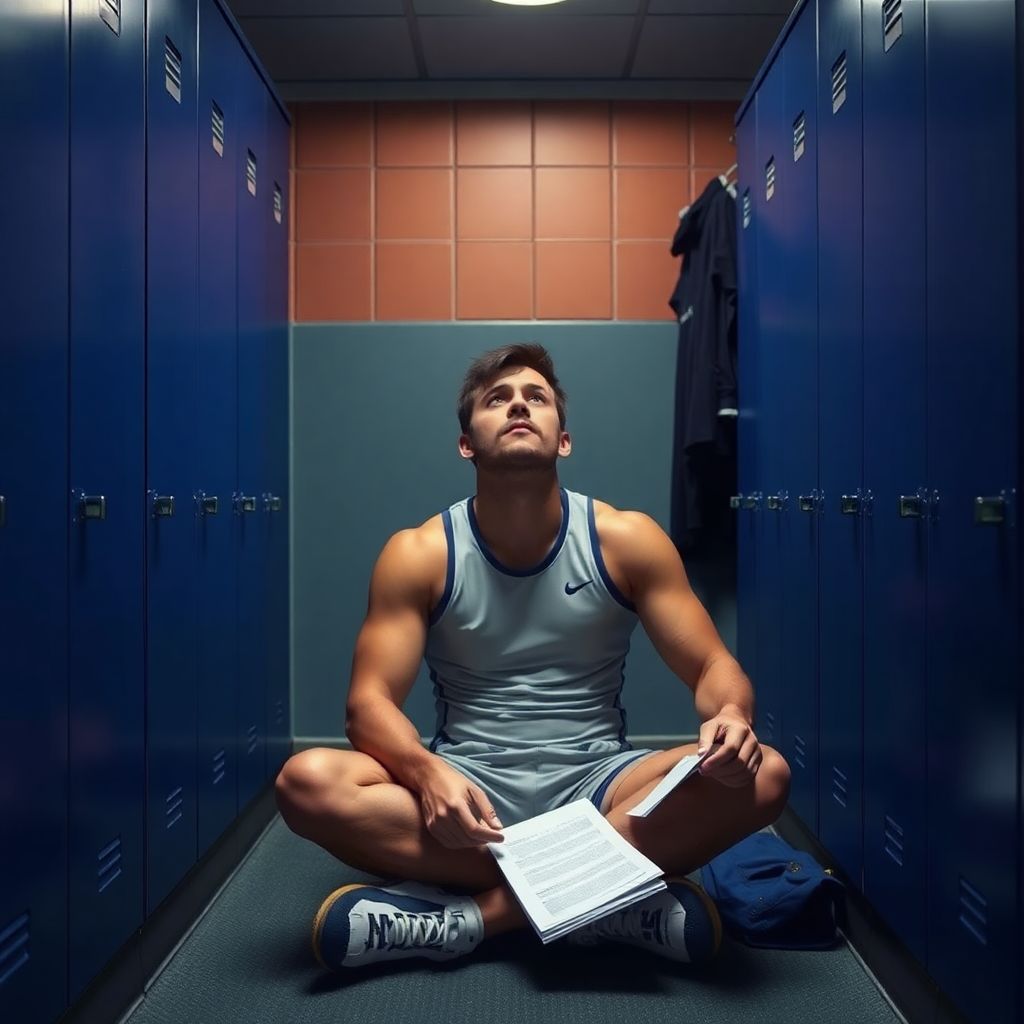
Managing frustration after a defeat means first stabilising your body and thoughts, then extracting learning instead of ruminating. Use simple breathing and grounding, label emotions, and adjust expectations. Next, review the match with structure, turn insights into micro-goals, protect rest and social support, and seek specialised help if frustration persists or worsens.
Core mental strategies to recover after a loss
- Separate raw emotions from the story you are telling yourself about the defeat.
- Use brief, repeatable routines: breathing, grounding, and cognitive pauses right after competition.
- Review performance with structure, not with self-attack or endless rumination.
- Translate lessons into 1-3 concrete, controllable training goals.
- Rebuild confidence through small, progressive challenges instead of chasing instant redemption.
- Protect sleep, social support, and limits with coaches, staff, and social media.
Diagnose what drives your frustration: emotions vs expectations
This guide is for athletes and active people who want safe, practical herramientas de entrenamiento mental para deportistas, especially in the context of gestión emocional después de una derrota deportiva in Spain (es_ES). It fits individual sports, team sports, and recreational competition.
However, do not rely only on self-help if:
- You experience persistent sadness, loss of interest, or thoughts of self-harm.
- Frustration turns into aggression towards yourself or others.
- You have an eating, substance, or sleep problem clearly linked to sport.
In these cases, look for terapia para mejorar la fortaleza mental en el deporte with a qualified psychologist or psychiatrist, and inform your coach or a trusted adult.
To understand what truly hurts after losing, distinguish between:
- Primary emotions: sadness, disappointment, anger, shame, fear.
- Expectation gaps: «I should never lose to that rival», «I must always play at my best».
Use this quick self-check, right after a match or training:
- Name the emotion: say quietly, «I feel angry and ashamed right now.»
- Name the expectation: «I expected to win today because I trained well.»
- Rate mismatch: «From 0-10, how unrealistic was that expectation in context?»
This simple scan prepares you for deeper work, whether you do it alone, with coaching deportivo para superar la frustración, or in structured cursos online de psicología del deporte y resiliencia.
Short-term stabilization: breathing, grounding and cognitive pauses
Right after a defeat your priority is not «fixing» performance, but calming the body and stopping impulsive reactions (messages, social media, conflict with staff).
You only need:
- 2-5 quiet minutes (locker room, corridor, bathroom, or on the pitch’s side-line).
- A place where you can stand or sit safely without interruptions.
- A watch or phone to loosely time short exercises (no apps are strictly necessary).
Use these three micro-techniques:
- Box breathing 3-5 cycles
- Inhale through the nose for 4 seconds.
- Hold for 4 seconds.
- Exhale slowly through the mouth for 4 seconds.
- Pause empty for 4 seconds.
Mental script: «I am only breathing, not judging the match.»
- 5-4-3-2-1 grounding
- Silently note: 5 things you can see, 4 you can feel, 3 you can hear, 2 you can smell, 1 you can taste.
This brings attention from the scoreboard back to the present body.
- Cognitive pause phrase
Repeat 5-10 times internally: «Now is not for analysing. Now is for calming down.» This protects you from destructive post-match conversations and posts.
Example mini-routine in a Spanish dressing room: sit, close your eyes, do 4 cycles of box breathing, then the 5-4-3-2-1 scan, then your pause phrase. Only then speak to teammates or check your phone.
Reframing the defeat: structured reflection without rumination
Once your body is calmer (usually hours later or next day), you can process the defeat with structure. The goal is to move from «I am a failure» to «Here is what happened and what I will do next».
- Define a safe reflection window
Choose a specific time (for example, next morning for 20-30 minutes) and a neutral place (desk, quiet café). Outside that window, you gently postpone analysis.
- Write a neutral match description
In 5-10 simple sentences, describe events as if you were a commentator on TV, avoiding adjectives like «disaster» or «ridiculous». Focus on what is observable: actions, decisions, score changes.
- Separate controllable from uncontrollable factors
Make two short lists:
- Controllable: effort, focus, warm-up quality, tactical decisions you made.
- Uncontrollable: referee calls, weather, opponent form, injuries that occurred during play.
- Locate 3 critical moments, not every mistake
Identify just three key situations where the match turned (for example, missed chance, defensive lapse, loss of focus). For each, answer briefly:
- What did I do?
- What was I thinking or feeling?
- What alternative action was available?
- Reframe self-judgment into behaviour feedback
Take one harsh thought (for example, «I always choke in finals») and rewrite it as a specific, behaviour-focused sentence («In this final I rushed my decisions when I felt anxious; I need tools to slow down my thinking»).
- Close with a one-sentence learning statement
Example: «This defeat showed me I need to improve my reaction after making an error, so I will train a reset routine in practice.» Say it out loud once and then move on to your day.
Fast-track mode: 3-step reset when you have no time
- State the fact: «We lost 2-1 today.»
- Name one lesson: «I need a clearer plan for defending set pieces.»
- Pick one action: «Tomorrow I will ask the coach to practice set-piece positioning for 10 minutes after training.»
This «fast-track mode» is especially useful when you travel often or have back-to-back matches and still want structured reflection without heavy rumination.
Learning extraction: turning setback data into a plan
To know whether you have truly learned from the defeat, use this checklist. If you can honestly say «yes» to most items, you are transforming frustration into growth.
- I can summarise the defeat in one neutral sentence without attacking myself.
- I have identified 1-3 skills or behaviours, under my control, that I want to improve.
- Each skill is linked to a specific situation (for example, «serving at 40-40», «defending counters in minute 80+»).
- I have at least one concrete practice drill or scenario to work on each chosen skill.
- I have scheduled when and where I will work on these skills in the next 1-2 weeks.
- I have told a coach, teammate, or training partner about my plan so they can support or observe it.
- I have removed or adjusted one counterproductive expectation (for example, «I must win every home game»).
- I can explain to another person what I learned from the match in less than one minute.
- Thinking about this defeat now brings mild discomfort but also some sense of direction.
If several items are «no», treat that as information: you may benefit from more intentional coaching deportivo para superar la frustración, or even from joining cursos online de psicología del deporte y resiliencia that include guided reflection templates.
Rebuilding confidence: micro-goals and progressive exposure
Confidence after losing grows like physical conditioning: gradually. These common mistakes slow recovery and keep frustration high.
- Chasing heroic comebacks: looking for an immediate «perfect match» to erase the defeat, which increases pressure and risk of another collapse.
- Setting vague goals: «Play better next time» instead of «Complete my pre-serve routine before every point.»
- Ignoring easy wins: dismissing small improvements in focus, body language, or decision timing because the final result is not yet a victory.
- Overloading the schedule: adding extra training, gym, and video analysis without increasing rest, leading to mental fatigue.
- Avoiding similar situations: skipping competitions, positions, or plays that remind you of the defeat, which keeps fear alive.
- Confusing self-compassion with complacency: either bullying yourself («I am weak») or excusing everything («Nothing is my fault»), instead of balanced responsibility.
- Comparing constantly to others: obsessing over teammates’ or rivals’ social media, likes, or statistics instead of your own micro-goals.
Instead, design micro-goals and progressive exposure like this:
- Pick one narrow skill (for example, «staying composed after an error»).
- Define a tiny, observable target (for example, «After each error, I take one deep breath and keep my shoulders up for the next play»).
- Practice it first in training, then in lower-pressure matches, and only later in key competitions.
Script you can use with your coach in Spain: «In the next two weeks my priority is my reaction after mistakes. Can you watch me and give feedback on whether I reset quickly?»
Preventing chronic burnout: routines, social anchors and boundaries
Sometimes frustration is not just about a single defeat but about accumulation: tight schedules, constant travel across Spain, pressure from club and family, and social media criticism. In that case, work on prevention, not just recovery.
Useful preventive routines include:
- Pre- and post-match rituals: 5-10 minute sequences (warm-up focus, breathing, stretching, journaling) that give a sense of control regardless of the score.
- Sleep and digital hygiene: fixed bedtimes when possible, limited scrolling right after games, and avoiding reading comments or match reports at night.
- Social anchors outside sport: relationships, hobbies, studies, or work that remind you you are more than your last result.
- Clear boundaries with coaches and staff: agreeing on when analysis happens and when you are «off duty», so every conversation is not about performance.
Alternatives and complements to self-guided work include:
- Individual sport psychology or psychotherapy: terapia para mejorar la fortaleza mental en el deporte, especially if frustration affects your life outside sport.
- Group programmes or workshops: team-based sessions on gestión emocional después de una derrota deportiva to create a common language and reduce shame.
- Digital resources: evidence-informed apps, videos, or cursos online de psicología del deporte y resiliencia, ideally recommended by qualified professionals in Spain.
- Integrated coaching: coaches trained in basic herramientas de entrenamiento mental para deportistas who can embed mental routines into daily training instead of adding extra tasks.
Practical concerns and quick fixes for post-defeat recovery
How long should I wait before analysing a defeat?
Wait at least until your body is calmer: breathing is normal, and anger is not overwhelming. For many athletes this means several hours or the next morning. Use the short-term stabilisation tools first, then choose a clear time window for analysis.
What if my coach wants an immediate debrief in the locker room?

Use a micro-routine before speaking: 3-5 deep breaths plus one grounding exercise. In the debrief, focus on facts and questions, not on defending yourself. You can always ask for a deeper individual review the next day.
How do I handle harsh comments from teammates or online after losing?
Delay reading comments until you feel more stable, and avoid replying while angry. Decide who are the 1-3 people whose feedback truly matters (coach, specific teammates) and prioritise their input over anonymous opinions.
What if I keep replaying the same mistake in my head?
Schedule a specific reflection time where you deliberately review that moment using the structured steps, then close with a one-sentence learning and a physical action (standing up, stretching). If intrusive images persist and disturb sleep or daily life, seek professional help.
Is it weak to ask for psychological help after a defeat?

No. Seeking coaching deportivo para superar la frustración or therapy shows commitment to performance and health. Many high-level athletes in Spain and internationally work with sport psychologists as a normal part of their training team.
Can these tools replace medical or psychological treatment?
No. The techniques here are educational and for general wellbeing; they do not diagnose or treat mental disorders. If you suspect depression, anxiety, or other conditions, consult a licensed health professional in your region.
How can parents support young athletes after a painful loss?
Offer calm presence, normal routines, and non-judgmental listening. Avoid immediate technical criticism; instead, validate emotions and, later, help the child use simple routines (breathing, one learning, one action for next time).