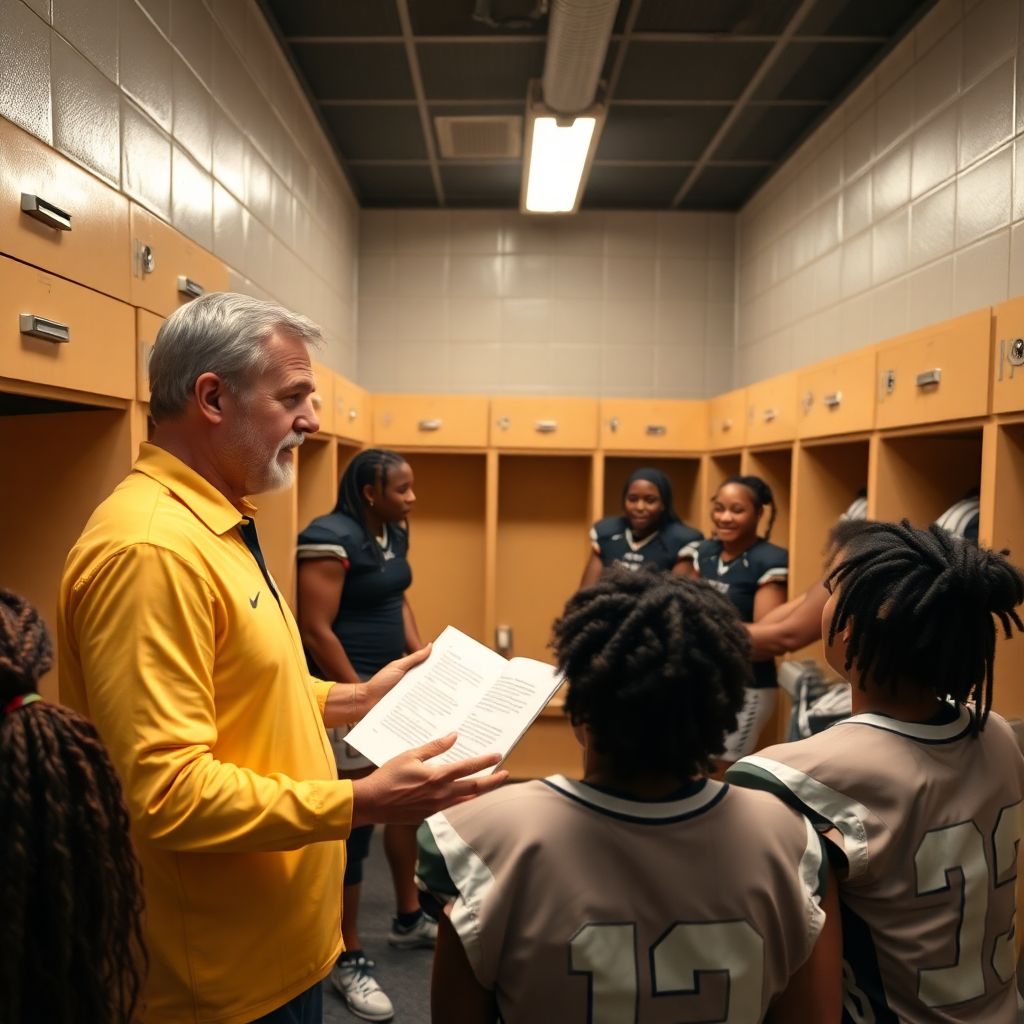
Inspirational stories help young athletes build character by making abstract values concrete: resilience, effort, teamwork and integrity become visible, memorable behaviours. When used with care, stories from sport and everyday life guide choices under pressure, support mental training, and connect goals with identity, without relying on fear, shame or unrealistic hero worship.
Core Lessons from Inspirational Athlete Stories
- Stories influence what young athletes see as «normal» effort, persistence and sportsmanship.
- Concrete, relatable examples work better than distant superstar myths.
- Linking stories to specific behaviours makes character training practical.
- Balanced narratives must include struggle, doubt and recovery, not only victory.
- Guided reflection prevents harmful comparisons and oversimplified «always win» messages.
- Progress tracking turns inspiration into sustainable habits in training and competition.
How Narrative Shapes Resilience and Work Ethic
For coaches and parents in Spain working with youth teams, narratives are one of the simplest tools to shape resilience and work ethic. Carefully chosen historias inspiradoras para jóvenes atletas act like mental rehearsals: athletes «see» how a person reacts to setbacks and internalise similar scripts for their own challenges.
This approach is especially helpful when athletes are:
- Starting organised sport and forming their first ideas of success and failure.
- Transitioning to higher competitive levels with more pressure and selection.
- Recovering from injury, role change, or a long performance slump.
- Struggling with confidence, self‑talk or motivation to train consistently.
However, you should avoid relying heavily on inspirational stories in these situations:
- When an athlete shows signs of mental health difficulties that require professional care; stories cannot replace therapy.
- When adults use stories to minimise real problems (bullying, abuse, chronic pain) by saying «others had it worse».
- When athletes already feel overwhelmed by comparison with peers or idols.
- When the culture of the team rewards only outcomes (wins, statistics) and ignores effort and wellbeing; stories will sound hypocritical.
Used with these limits in mind, narrative work becomes a low‑risk, high‑impact complement to technical and physical training, not a substitute.
Selecting Stories That Model Growth Mindset
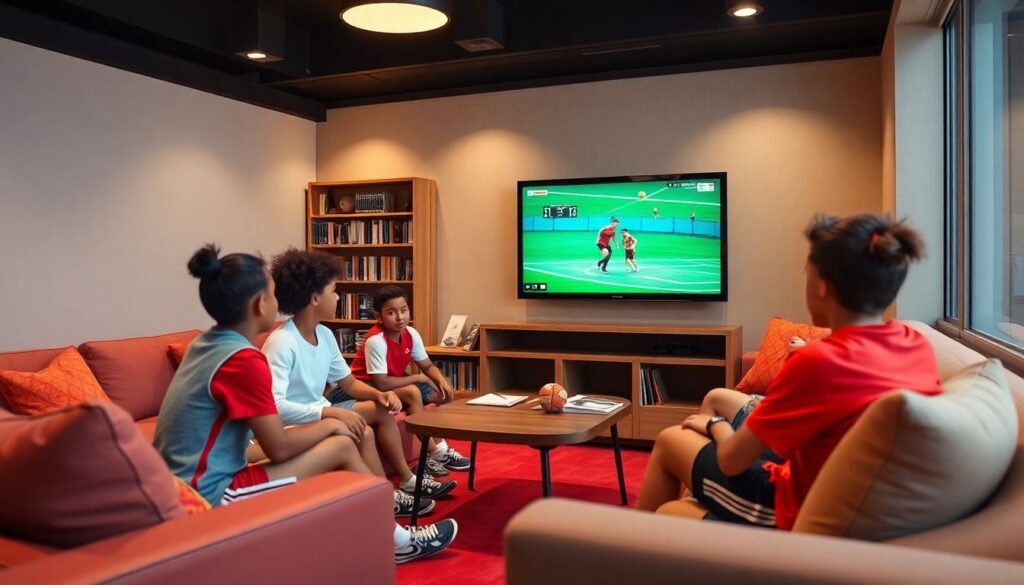
Before planning sessions, prepare a small «library» of materials that show growth mindset, emotional regulation and ethical choices in sport. Combine several formats so different athletes can connect in their preferred way.
Useful sources and tools include:
- Books and articles: Well‑chosen libros de motivación deportiva para adolescentes that describe effort, learning from mistakes and long‑term development, not only instant talent or fame.
- Short videos: Carefully curated videos de superación personal para jóvenes deportistas in which athletes talk about failure, boredom in training, fear and how they managed these states.
- Live or recorded talks: Local role models giving charlas motivacionales para equipos deportivos juveniles, especially those who share realistic career paths, including non‑professional routes.
- Everyday stories: Examples from your own team: a bench player who improved attendance, a captain who apologised after losing control, a group that supported an injured teammate.
- Mental training programmes: Elements from programas de entrenamiento mental para deportistas jóvenes that use story‑based exercises (visualisations, scenario discussions, journaling).
- Basic media equipment: A projector or screen, speakers and stable internet (if streaming), or offline copies to avoid technical failures.
- Reflection tools: Notebooks, simple worksheets or team discussion questions to connect each story with concrete behaviours in training and matches.
Selection criteria for safe, effective stories:
- Age‑appropriate language and topics; avoid graphic descriptions of injury, eating, self‑harm or substance abuse.
- Balanced portrayal of effort, talent and support from others (coaches, family, teammates).
- Clear learning moments: what the person changed, not only what they suffered.
- Diverse backgrounds, body types and pathways so more athletes feel represented.
- Respect for opponents and rules; no glorification of cheating or dangerous play.
Structuring Storytelling Sessions for Teams
Thoughtful structure keeps sessions safe and productive. Before you start, keep these key risks and limitations in mind:
- Athletes may secretly feel «I will never be like that», which can reduce motivation.
- Stories that over‑glorify pain can push young people to ignore important warning signs of injury or burnout.
- Some personal histories can trigger uncomfortable emotions linked to family, school or health.
- If adults dominate the conversation, athletes may just «perform» the expected answers instead of being honest.
Use the following step‑by‑step structure to run safe, effective storytelling sessions.
- Define one clear character goal for the session. Choose a single focus such as «responding to mistakes», «respecting opponents» or «persevering in boring drills». Share this focus with the team so they know what to listen for.
- Choose a short, concrete story. Select a story that can be told or watched in 3-8 minutes. Prefer one main character, one main challenge and a visible turning point. Edit or summarise long materials to keep attention and leave time for reflection.
- Prepare guiding questions in advance. Write 3-5 open questions that link the story to your athletes’ reality, for example:
- «Where in our training do we face a similar problem?»
- «What exactly did the main character decide to do differently?»
- «How could we apply that tomorrow?»
- Create a psychologically safe atmosphere. At the start, set simple rules: listen without interrupting, no mocking, no pressure to share personal experiences. Model vulnerability by admitting one of your own past mistakes in sport and what you learned.
- Present the story with neutral commentary. Tell, read or play the story without exaggerating or moralising. Avoid phrases like «See, this is why you should never…» and stay curious. Let the athletes notice details and meaning before you explain anything.
- Facilitate reflection, not a lecture. Use your prepared questions and invite different voices. Encourage athletes to describe behaviours, not personality labels.
- Ask: «What did she actually do when she felt like quitting?»
- Avoid: «She was just stronger than everyone else.»
- Translate insights into specific actions. Together, define 1-3 concrete behaviours to try in the next week (for example, «After each error, we take one deep breath and ask for the ball again on the next play»). Write them where everyone can see during practice.
- Close with appreciation and optional sharing. Thank the team for honest contributions. Offer optional space after the session for any athlete who was affected by the story and wants to talk privately. Remind them that struggling is normal and help is available.
- Revisit and reinforce in later practices. In the following days, briefly recall the story during drills or games: «This is like the moment in the video when… What choice did he make?» Link praise to the agreed behaviours, not just the outcome.
Measuring Behavioral Changes After Story Exposure
Use this checklist to monitor whether inspirational stories are changing behaviour rather than only creating short‑term emotion.
- Do athletes show more consistent effort in drills that they previously avoided or rushed through?
- Do they recover faster emotionally after mistakes, using coping strategies discussed in sessions?
- Has language on the field shifted from excuses and blame to problem‑solving and learning («next time I will…»)?
- Do more athletes volunteer for challenging roles (serving under pressure, marking strong opponents, trying new positions)?
- Is punctuality and attendance at training improving, especially on difficult days (bad weather, exams, fatigue)?
- Are team members more likely to support each other verbally after errors instead of criticising?
- Do athletes independently refer back to stories («This is like that player who…»), showing internalisation?
- In individual check‑ins, can athletes name at least one behaviour they have changed because of a story?
- Over several weeks, is there a reduction in repeated disciplinary issues linked to attitude, not just performance?
Integrating Stories with Skills and Goal-Setting
Common mistakes make story work less effective and sometimes harmful. Watch out for these patterns when integrating narratives with training and goals.
- Using stories without linking them to specific, observable training behaviours and goals.
- Choosing only superstar examples that feel unreachable for most young athletes.
- Focusing exclusively on winning and selection, ignoring values like health, fairness and long‑term enjoyment.
- Over‑using dramatic or traumatic stories that may desensitise athletes to pain and risk.
- Rushing reflection time so that athletes do not process or personalise the message.
- Expecting one powerful video or talk to «fix» motivation problems permanently.
- Ignoring individual differences in personality, maturity, culture and learning style.
- Not coordinating messages between coaches and parents, creating confusing double standards.
- Turning every mistake into a moral lesson, which can increase shame instead of responsibility.
- Failing to adjust or stop a story‑based intervention when you see clear signs of distress in an athlete.
Addressing Risks: Misinterpretation and Unrealistic Comparisons
When stories trigger unhelpful reactions or do not fit your group, you can use several safer alternatives.
- Peer storytelling circles: Instead of external heroes, invite athletes to share small, recent experiences of courage, honesty or persistence. This reduces unhealthy comparison and highlights everyday growth.
- Scenario‑based role‑plays: Create simple, fictional situations related to your sport (a missed penalty, a referee error, a teammate’s mistake) and let groups act out different responses. Debrief which options fit your team values.
- Guided visualisations: Use short, calm mental rehearsals where athletes imagine themselves handling a common challenge with composure and effort. Keep language realistic and focused on controllable actions.
- Value‑setting workshops: Co‑create a small set of team values and concrete behaviours with the athletes. Refer to these shared agreements during training, using them as your main «story» about who you are as a group.
Common Practical Concerns and Solutions
How often should I use inspirational stories with my youth team?
Once every few weeks is usually enough. Rotate formats (reading, videos, group discussions) and allow time between sessions for athletes to apply one or two concrete behaviours linked to each story before introducing a new one.
Are long books suitable, or should I stick to short materials?

For most teams, short extracts from libros de motivación deportiva para adolescentes work better than entire books. Use a chapter or a short profile that fits one clear theme, and summarise key moments to keep focus on behaviour, not biography details.
What if an athlete reacts emotionally or becomes withdrawn during a story?
Pause and normalise emotional reactions without asking for explanations in front of the group. After the session, quietly offer a private conversation and, if needed, suggest support from parents or a qualified professional. Avoid pressuring anyone to share personal history.
Can I reuse the same story with different age groups?
Yes, but adapt the language, reflection questions and level of detail. For younger athletes, focus on simple, concrete actions; for older ones, explore values, identity and long‑term consequences. Always recheck that topics are age‑appropriate.
How do I avoid glorifying playing through pain or injury?
Explicitly challenge harmful «no pain, no gain» messages when they appear in stories. Emphasise smart decisions: reporting pain early, following medical advice and respecting recovery plans. Highlight role models who chose health and longevity over short‑term wins.
What if parents send very intense motivational videos or stories?
Thank them, review the material privately and only use it if it matches your safety and educational criteria. Explain your approach to parents: balanced, age‑appropriate stories linked to behaviour and wellbeing, not fear, guilt or extreme sacrifice.
Can storytelling replace formal mental training programmes?
No. Stories are a useful base, but structured programas de entrenamiento mental para deportistas jóvenes include specific techniques (breathing, attention control, routines) that require practice. Use stories to introduce concepts and motivate athletes to apply those techniques.