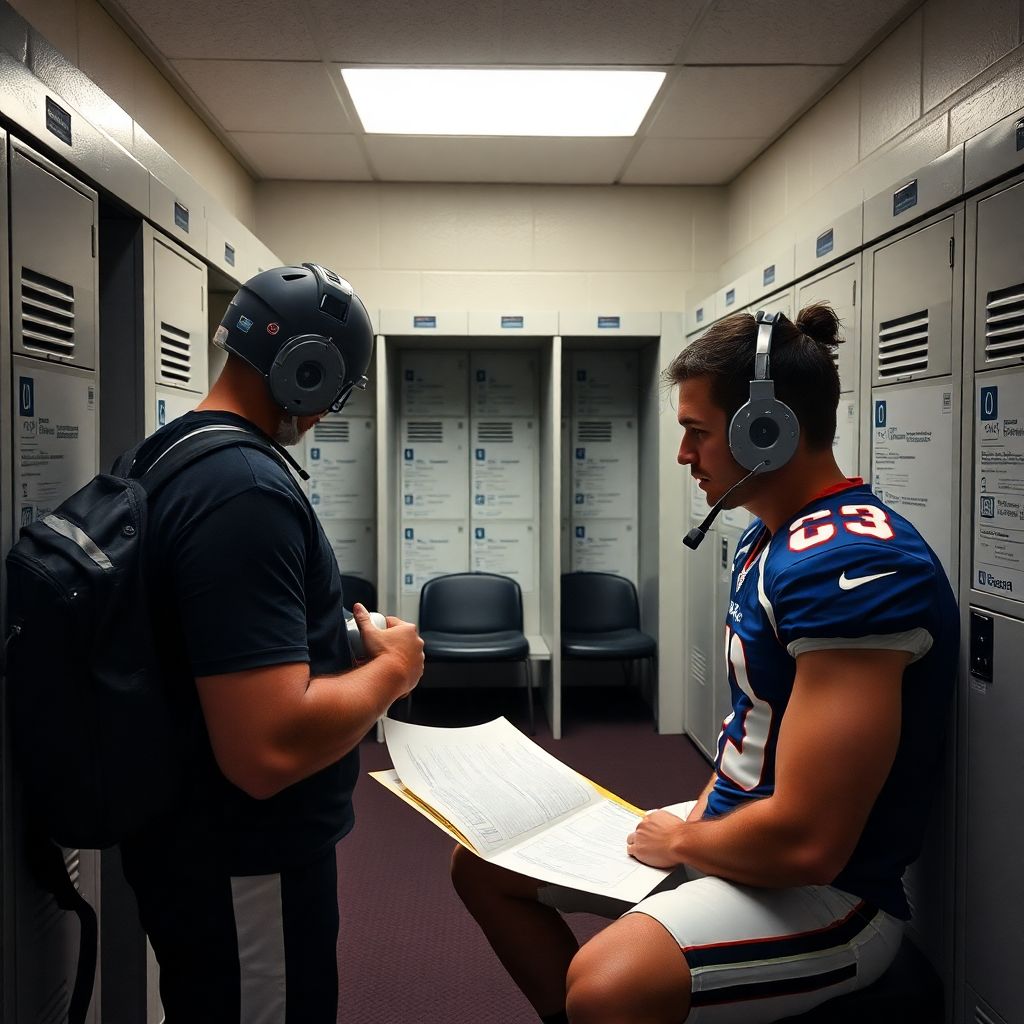
Post‑match analysis matters because it converts raw emotions into a concrete, low‑risk improvement plan. You first cool down, then combine video, data and feelings to detect patterns, choose one or two priorities and set clear actions and checkpoints. Done consistently, this process stabilises performance and reduces impulsive decisions.
Core outcomes to extract after every match
- Separate immediate emotions from stable performance patterns before taking decisions.
- Identify 1-2 priority behaviours or principles to improve, not a long wish‑list.
- Transform subjective perceptions into observable data using video and basic stats.
- Define simple, measurable actions for the next micro‑cycle (training week).
- Align staff, players and club expectations without personal attacks or blame.
- Track whether changes actually improve key match situations over several games.
Structuring a calm emotional debrief: steps and timing
This section focuses on the human side: how to handle emotions so analysis becomes useful instead of destructive. It applies to coaches, staff and experienced players in amateur and professional football in Spain.
- Respect a short cooling‑off period
Right after the final whistle, emotions are usually too intense for quality thinking. Limit yourself to logistics and basic recognition (effort, attitude). Leave tactical or individual criticism for later, when emotional activation is lower. - Schedule a first structured debrief
For teams, a short meeting 30-90 minutes after the match is often effective: enough time to shower, rehydrate and breathe, but still fresh in memory. For coaches, a deeper staff review can wait until the next morning. - Separate emotional ventilation from analysis
Start with a brief round where players can express feelings using neutral language: «I felt rushed in build‑up», «I was anxious defending set pieces». Do not argue or correct yet. Listening reduces tension and prepares minds for objective work. - Use clear ground rules
Before any analysis, define three rules: criticise behaviours, not people; describe facts before opinions; and avoid absolute labels (never, always, disaster). Write them where everyone can see them in the locker room or meeting room. - Decide when not to analyse deeply
Skip or shorten the debrief if there is uncontrolled anger, ongoing conflict between teammates, or external pressure (media, directiva, family) invading the space. In those cases, only communicate safety, unity and timing for a calmer session.
Differentiating bias from insight: objective tools for self-assessment
Reliable post‑match work requires basic tools that balance subjective impressions with objective information. Combining them reduces bias and protects relationships inside the team.
- Match video and tagging tools
Even at intermediate level, try to record all matches. Use simple software análisis post partido fútbol or generic video platforms that allow you to tag key events (losses of possession, finishing, pressing triggers). This makes later review faster and more focused. - Professional video‑analysis solutions (optional)
Clubs with more resources can use herramientas de videoanálisis deportivo profesional that synchronise video, GPS and basic stats. The benefit is accuracy and the ability to share specific clips with players on their phones, reducing long, boring meetings. - Statistical programs and simple spreadsheets
If you lack specialist staff, start with simple counts in a spreadsheet or basic programas para análisis estadístico de partidos de fútbol: number of line breaks, entries into the final third, progressive passes, regains in different zones. Fewer, well‑chosen indicators are better than a big, messy dashboard. - External tactical analysis services
Some clubs contract a servicio de análisis táctico partidos para equipos de fútbol or hire a part‑time analyst. External eyes reduce internal bias and free the coach to focus on decision‑making and communication with players. - Performance consulting when tensions grow
When conflicts, pressure from the club, or repeated frustrations appear, a specialised consultoría de rendimiento deportivo y análisis post partido can help build safer processes and neutral language. This protects relationships and keeps focus on football instead of personal blame. - Simple self‑check forms for players
Create a short template players can fill in within 24 hours: three questions about their role tasks, one about emotional state, one about cooperation with teammates. This balances the coach’s perspective with individual insight.
Turning feelings into data: what to record and how
Before the practical steps, consider these risks and constraints to keep the process safe and useful:
- Over‑recording everything can drown you in information and increase anxiety.
- Publicly exposing individual clips without consent can damage trust and motivation.
- Misinterpreting small data samples (one bad game) can lead to rushed decisions.
- Sharing critical analysis outside the group (social media, family, press) can create conflicts.
- Analysing while exhausted (very late at night) increases cognitive bias and frustration.
- Define 3-5 key game questions in advance
Before the match, choose a few questions you want the analysis to answer, for example: «Did we control central spaces in defence?», «Did our pressing triggers work?», «How did we create chances?». This prevents emotional over‑focus on the result only. - Capture objective team events first
Rewatch the match, ideally the next morning. Note only events related to your questions: type of loss of possession, where you regained the ball, how you progressed between lines. Use time codes or basic tagging to locate clips quickly later. - Translate emotions into observable behaviours
When someone says «We panicked in build‑up», ask: what could an external observer see or count? For example: number of long clearances under no pressure, passes backwards when there were forward options, or body orientation when receiving. - Classify situations into patterns
Group similar events: all transitions after your corners, all crosses defended, all pressing actions in the final third. You are looking for repeated patterns, not isolated errors. Note whether problems are tactical (spacing), technical (first touch) or mental (reaction time). - Link data with match context
Always annotate context: minute of the game, score line, fatigue (early or late), and specific opponent qualities. A defensive error at 90′ after an intense press has a different meaning than the same error in minute 5 while fresh. - Prioritise by impact and frequency
Mark issues that appear often and clearly affect chances created or conceded. For each pattern, ask: «If we improve this, will it significantly change our match control or chance quality?» Focus later planning on those high‑impact topics. - Prepare short, neutral clips for the team
From all tagged situations, select a small set of representative clips (3-6 per topic). Add neutral titles like «Build‑up under medium press» instead of «Our mistakes». This keeps the tone constructive and protects players’ confidence.
Designing a prioritized, measurable improvement plan
Use this checklist to verify that your post‑match work has produced a clear, practical plan instead of a vague list of complaints.
- The plan focuses on one to two main themes for the next micro‑cycle (for example, «defending crosses» and «exiting pressure on our left side»).
- Each theme is linked to 1-3 specific behaviours you want to see more or less often in matches.
- There are concrete training tasks or game‑like exercises assigned to each behaviour, with estimated time in the weekly schedule.
- Success criteria are observable: for example, «reduce free crosses at the far post» rather than «defend better».
- The plan includes at least one simple metric per theme (counts per match, locations, or percentages) that can be tracked without specialist staff.
- Responsibilities are clear: who prepares video clips, who leads exercises, who gives individual feedback to players.
- Risks are noted: potential overload for some players, tactical changes that might create new vulnerabilities, or communication sensitivities.
- The plan is realistically compatible with players’ physical load and match schedule; it does not demand more intensity than the medical and fitness staff consider safe.
- There is a fixed moment in the next week to review whether the plan is working and to adjust it if needed.
Integrating team feedback without escalating risk
Integrating voices from the group increases engagement, but it also opens space for tension and misunderstanding. Avoid these frequent mistakes when you involve staff and players in post‑match analysis.
- Opening discussions with «Who is to blame?» instead of «What exactly happened and why?». This immediately triggers defensiveness.
- Letting the most dominant personalities speak first and longest, which silences quieter but often more precise observers.
- Mixing tactical feedback with contract, playing‑time or personal issues in the same conversation; this confuses topics and increases emotional risk.
- Showing only negative clips of specific players without also highlighting positive contributions from the same match.
- Making sarcastic comments during video sessions, which can feel like humiliation rather than learning.
- Ignoring staff disagreements in front of the team; visible conflict between coaches increases uncertainty and stress in players.
- Allowing analysis content to leave the group through social media or informal conversations with press or friends.
- Over‑relying on anonymous surveys or messages; they can be useful, but without clear rules they sometimes encourage indirect attacks instead of honest, respectful dialogue.
Monitoring progress: metrics, checkpoints and adaptation rules
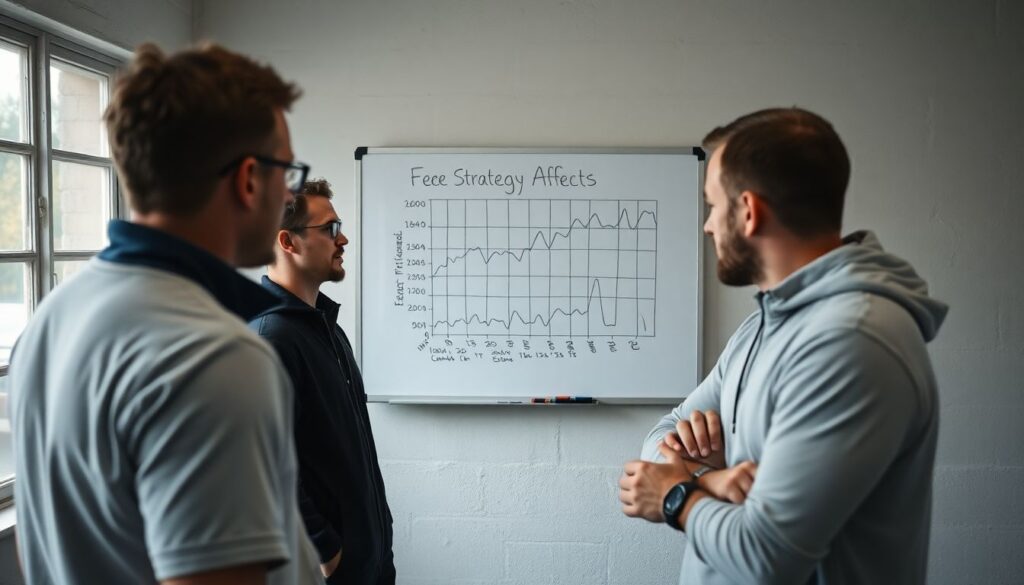
Even a good plan fails if you do not monitor its effects in a safe, realistic way. These alternative approaches can be combined depending on your resources and competition level.
- Minimalist in‑house tracking
Ideal for amateur and semi‑professional teams with limited time. Choose one simple metric per theme (for example, «number of successful build‑ups under high press») and track it with a basic tally during matches. Review every two to three games to avoid overreacting to single results. - Structured staff review with simple dashboards
Suitable for intermediate clubs with staff who can dedicate a few hours post‑match. Use spreadsheets or basic analysis tools to update 5-10 agreed indicators. Hold a short weekly checkpoint meeting where staff can decide whether to continue, adjust or drop specific tactical focuses. - External periodic audits
Useful when internal tension is high or when the staff wants a neutral view. Every few matches, an external analyst or consultant reviews your games and metrics, checks alignment with your game model, and gives a compact report. This prevents the system from drifting due to routine or pressure. - Player self‑monitoring routines
Appropriate for developing responsible, self‑aware players. Each player selects one individual behaviour (for example, scanning before receiving) and tracks it with simple notes after each match. The coach reviews trends monthly in one‑to‑one conversations, avoiding over‑analysis after every small fluctuation.
Practical clarifications and risk mitigations
How soon after a match should we start detailed analysis?
Avoid deep analysis in the first 30 minutes; emotions and fatigue are usually too high. Use that time only for logistics and basic recognition. For most teams, starting structured work between 1 and 24 hours post‑match gives a good balance of freshness and emotional distance.
How many metrics do we really need at intermediate level?
Focus on a small, stable set linked to your game model: for example, entries into the final third, recoveries in key zones and quality of chances. Too many indicators dilute attention, confuse players and increase the risk of drawing wrong conclusions from noisy data.
Is video analysis useful without professional software?
Yes. Even simple full‑match recordings with basic pause and rewind functions can reveal clear patterns. Professional tools add speed and sharing options, but the key value comes from clear questions, careful observation and respectful communication of what you find.
How do we avoid turning post‑match meetings into blame sessions?
Agree ground rules in advance, especially «criticise behaviours, not people». Use neutral language, show also positive clips, and always link observations to future solutions. If emotions are too intense, shorten the session and postpone deeper tactical discussion.
How often should we change our improvement focus?
Changing focus every match usually creates confusion. Keep each main theme for at least several games or a full micro‑cycle, unless you discover a clear safety risk. Review trends, not isolated performances, before deciding to add or replace a focus area.
What can individual players do if the staff does not use formal analysis?
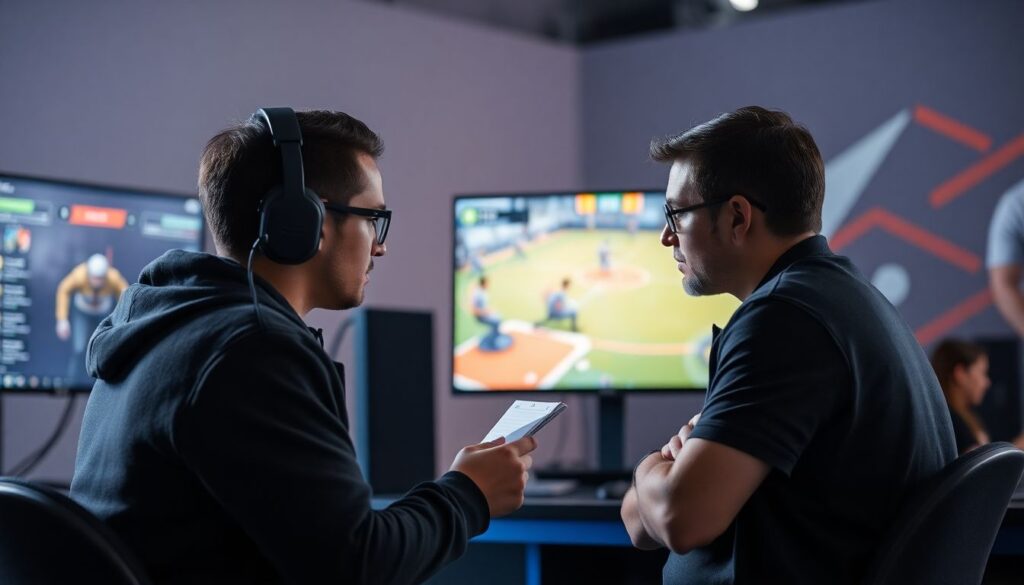
Players can still watch their own matches, take brief notes about key situations related to their role, and track one behaviour over time. Sharing insights respectfully with the coach may gradually encourage more structured analysis at team level.
When is it better to bring an external consultant into the process?
External help is useful when internal relationships are tense, when there is repeated underperformance without clear explanations, or when the club wants to professionalise processes. A neutral consultant can design safer routines and reduce personalisation of criticism.