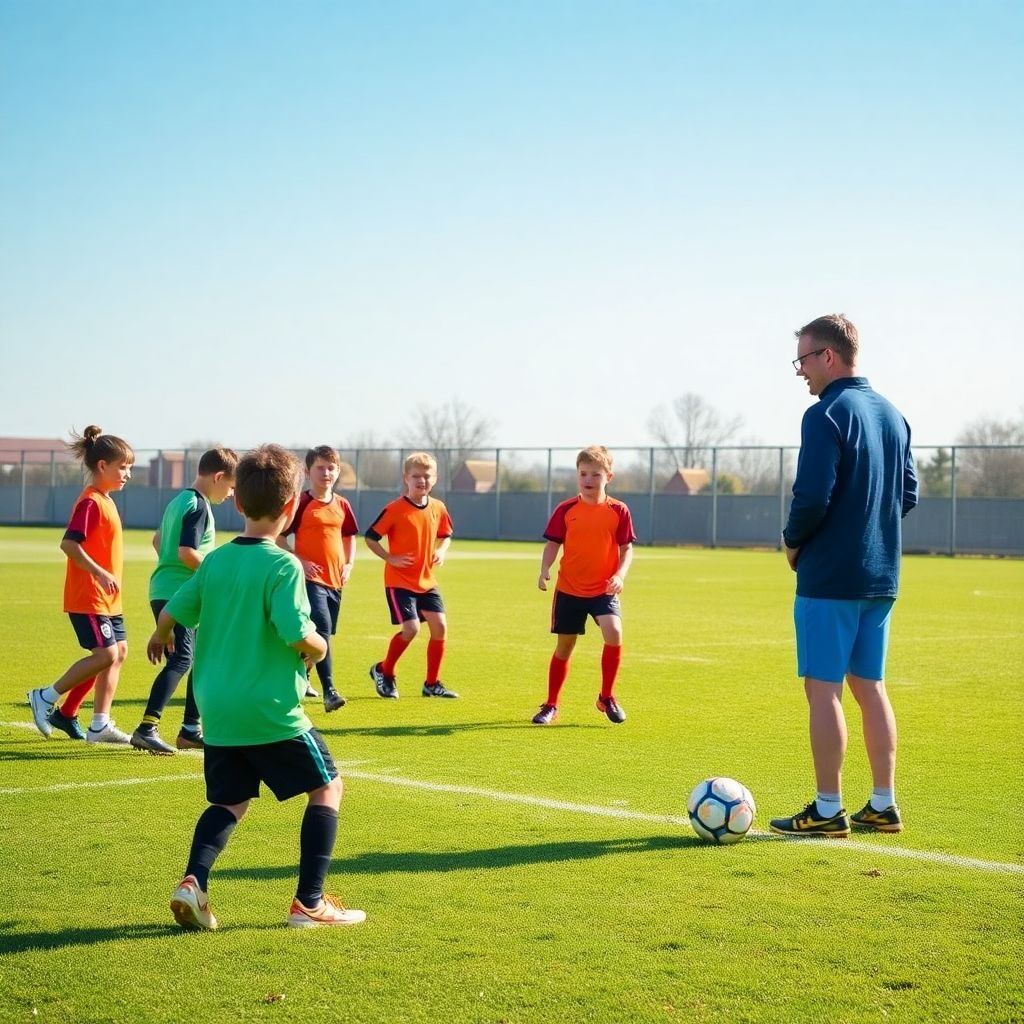
Young footballers repeat mental errors such as rushing decisions, freezing under pressure and losing focus after mistakes. Correcting them requires structured mentoring: simple language, short mental drills tied to training, and basic monitoring (self-ratings, coach notes). Combine individual talks, group routines and safe, age-appropriate challenges, especially in Spanish grassroots environments.
Primary mental mistakes to address in young players
- Impulsive decisions based on emotion instead of reading space, teammates and time.
- Fear of failure that leads to hiding on the pitch or avoiding responsibility.
- Loss of concentration after errors, referee decisions or provocation from rivals.
- Overconfidence in weaker games and training, producing complacency and bad habits.
- Negative self-talk and blame cycles that block learning and resilience.
- Poor match routines: no mental warm-up, irregular sleep, rushed arrival to the field.
Cognitive biases that skew on-field decisions
This section suits academy coaches, parents acting as mentors, and any entrenador mental para jóvenes futbolistas working in Spanish clubs. It is for players roughly from late grassroots to early senior who already understand basic tactics and can discuss decisions calmly for 5-10 minutes after sessions.
Avoid intense cognitive work in these situations:
- The player is very young (under 8-9) and still struggles to describe simple emotions or match events.
- The player is currently in acute distress (crying, injured, recently bullied); stabilise emotion first.
- Parents or staff use the session to vent or criticise; set boundaries before continuing.
- The team is in a dense competition block with fatigue; shorten sessions, avoid heavy reflection.
The most relevant biases in mentoria futbolística para mejorar rendimiento mental are:
- Outcome bias: judging decisions only by result (goal or mistake) instead of process.
- Confirmation bias: seeing only information that supports pre-existing beliefs about self («I always fail in big games»).
- Anchoring: letting an early error define perception of the entire match.
- Peer comparison bias: overvaluing what others do and undervaluing personal progress.
Use simple tools to confront them:
- Short video clips with 1-2 key questions: «What did you see?» «What were your options?»
- Three-column reflection sheets: Situation – What I thought – A better thought.
- Mentor-led «if-then» scripts: «If I lose the ball, then I immediately look to win it back or recover position.»
How performance anxiety degrades technical execution
To work safely and effectively on performance anxiety during coaching deportivo para futbolistas infantiles y juveniles, prepare the following elements.
Basic requirements before starting
- Player can rate their own anxiety on a simple 1-5 scale and describe where they feel it in the body (stomach, legs, breathing).
- Parents understand that the goal is healthier performance focus, not pushing the child harder.
- Coach or mentor can provide a calm environment for 5-15 minutes away from team noise.
Practical tools and materials
- Monitoring sheet: a small card or digital note with three quick ratings after training and matches:
- Anxiety (1-5)
- Self-confidence (1-5)
- Technical control (1-5)
- Breathing routine: a simple pattern such as «inhale 4 seconds – exhale 6 seconds» for 5-10 breaths, used before drills and games.
- Keyword system: 1-2 cue words like «calm feet» or «trust touch» that player repeats before receiving the ball.
- Video or audio examples: short clips where high-level players describe nerves and how they cope, normalising anxiety.
Context and safety limits
- Do not promise to eliminate anxiety; teach players that a moderate level can be useful.
- If anxiety impacts sleep, appetite or daily functioning, suggest referral to qualified sport psychology professionals or programas de psicología deportiva para futbol base with clinical support.
- Avoid public criticism of nervous behaviours (shaking hands, short passes); work privately and constructively.
Attentional failures: maintaining situational awareness
This sequence is a practical «how-to» for improving attention in young players through safe, mentor-led drills that fit into normal training and any curso online de entrenamiento mental para futbolistas jóvenes.
- Define one clear attentional target per session. Choose a single focus theme such as «scan before receiving», «check shoulder in defence» or «track the ball when off the ball». Explain it in one sentence and ask the player to repeat it in their own words.
- Run a short, simple drill with built-in distractions. Use a 3-5 minute exercise that already exists (rondo, finishing, small-sided game) and add mild distractions, such as extra calls from the coach or changing the number of touches. The player’s task is to maintain the attentional target despite changes.
- Pause and debrief using two quick questions. Stop the drill briefly and ask: «When did you lose focus?» and «What helped you refocus?». Keep answers to 10-20 seconds per player. Note one concrete success and one improvement point in your mentor notebook.
- Anchor attention with a physical or verbal cue. Co-create a cue such as touching the shirt, clapping once, or saying «focus now» internally. Practise triggering this cue right after small mistakes in training, linking the cue to immediate attentional reset.
- Scale difficulty progressively over weeks. Once the player maintains focus in simple drills, add complexity: smaller spaces, higher tempo, or more tactical information. Increase only one difficulty factor at a time to keep it safe and manageable.
Быстрый режим
- Pick one attentional theme for the day and explain it in one short sentence.
- Run a favourite drill and ask the player to keep repeating the theme in their head while playing.
- After 3-5 minutes, ask: «When did you forget it?» and «How can you remind yourself next time?».
- Agree on a simple cue (gesture or word) to use in the next drill when they feel attention drop.
Motivation slumps, complacency and early burnout
Use this checklist to verify whether your mentoring is reducing slumps and protecting the player from burnout. Review it every 4-6 weeks together with any entrenador mental para jóvenes futbolistas or academy staff.
- The player can name at least two internal motives for playing (enjoyment, learning, mastery), not only external ones (winning, trophies, pleasing parents).
- Training intensity is relatively stable across weeks, with fewer «off» sessions caused by boredom or excessive fatigue.
- The player still shows curiosity: asks questions, tries new positions or skills, and accepts small challenges.
- There are clear weekly limits on football time (training, matches, extras) to protect rest, school and social life.
- The player recovers mood within a day after losses instead of staying stuck for several days.
- Coaches and parents give balanced feedback: roughly similar amount of positive and corrective comments.
- The player takes at least short breaks during the year (no-ball days, family time) without guilt or pressure.
- No signs of chronic stress such as persistent sadness, irritability, or frequent psychosomatic complaints.
- The player participates voluntarily in mentoring or coaching deportivo para futbolistas infantiles y juveniles discussions, not only under pressure.
Practical resilience building: reframing and recovery
Common mistakes that reduce the impact of resilience training and can even harm young players:
- Using complex psychological jargon instead of concrete, age-appropriate language and football examples.
- Focusing only on positive thinking and ignoring emotions like anger, sadness or frustration.
- Turning every mistake into a long lecture, which associates learning with shame and boredom.
- Leaving recovery work (sleep, nutrition, stretching, social time) outside the mentoring conversation.
- Comparing one player’s resilience directly with teammates or siblings, creating pressure instead of growth.
- Forcing players to share personal stories in front of the group when they are not ready.
- Skipping follow-up: introducing a mental tool once and then never revisiting it in later sessions.
- Ignoring cultural and family context in programas de psicología deportiva para futbol base, leading to unrealistic expectations.
- Using punishment (extra running, benching) as the main response to emotional reactions instead of teaching regulation skills.
- Failing to model resilience as a coach or mentor: visible loss of control, blaming referees or players.
Structuring mentor-led sessions for measurable mental gains
When planning mentoring around mentoria futbolística para mejorar rendimiento mental, you can combine different formats, each useful in specific contexts.
Option 1: Individual micro-sessions (10-15 minutes)
Best for players with specific issues (confidence, attention, fear) who need privacy. Structure:
- 3 minutes: check-in and quick ratings (confidence, focus, mood).
- 7-10 minutes: one focused topic (e.g., pre-match routine) with a practical drill or script.
- 2 minutes: agree on one action and one metric (self-rating or coach observation) until next session.
Option 2: Small-group circles (3-6 players)
Use this in coaching deportivo para futbolistas infantiles y juveniles to normalise experiences and share tools among teammates.
- Choose a single theme such as «handling mistakes» or «supporting teammates».
- Use simple stories or clips, then ask each player to share one brief example.
- End with a collective rule or cue word to apply in the next match.
Option 3: Integrated field-based mentoring
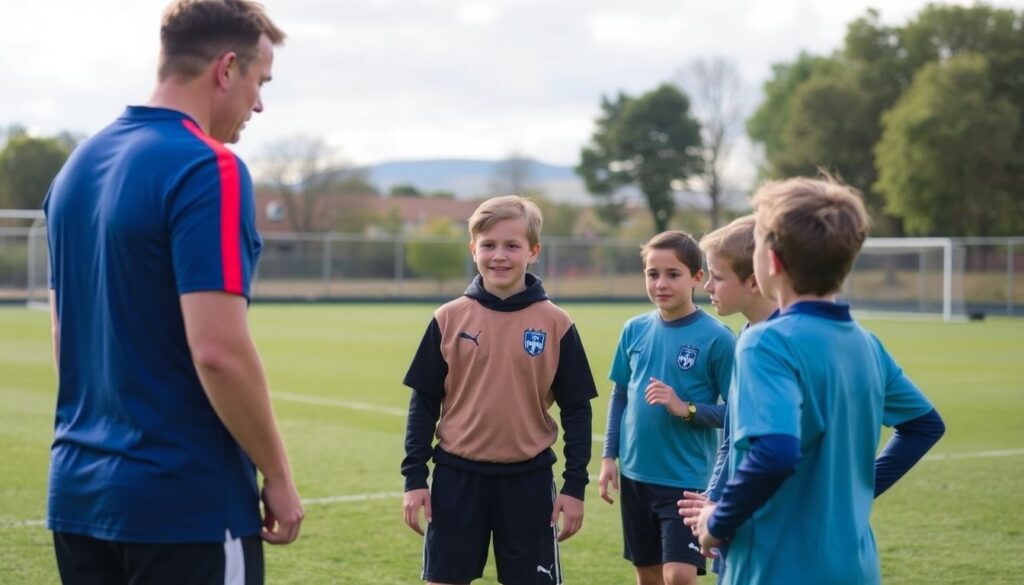
Ideal when time is limited or you are combining physical, technical and mental work in programas de psicología deportiva para futbol base.
- Add one mental goal to each drill (focus, communication, reaction to loss of possession).
- Give instant, specific feedback linking mental and technical execution.
- Use very short pauses (30-60 seconds) for reflection and re-planning.
Option 4: Remote or online support
When distance or schedules are difficult, complement field sessions with a structured curso online de entrenamiento mental para futbolistas jóvenes.
- Share 5-10 minute videos on single topics (pre-match routine, breathing, focus cues).
- Ask players to send short reflections or self-ratings after watching.
- Review patterns in ratings during the next in-person training.
Targeted answers to typical mentoring challenges
How often should I run mental mentoring sessions with young players?
Start with one short mental focus per week integrated into training, plus optional 10-15 minute individual talks every 2-3 weeks. Adjust frequency based on player motivation, schedule and observed progress.
What is the safest way to talk about mistakes after a match?
Wait until emotions cool down, then focus on 1-2 key situations. Ask the player first what they saw and felt, then add one constructive suggestion and one positive element you noticed.
How can I involve parents without increasing pressure?
Explain that the goal of mentoring is long-term development and well-being. Share 2-3 simple behaviours parents can adopt (supportive language, respecting rest) and ask them to avoid tactical or emotional analysis in the car ride home.
What simple metrics can I use to track mental progress?
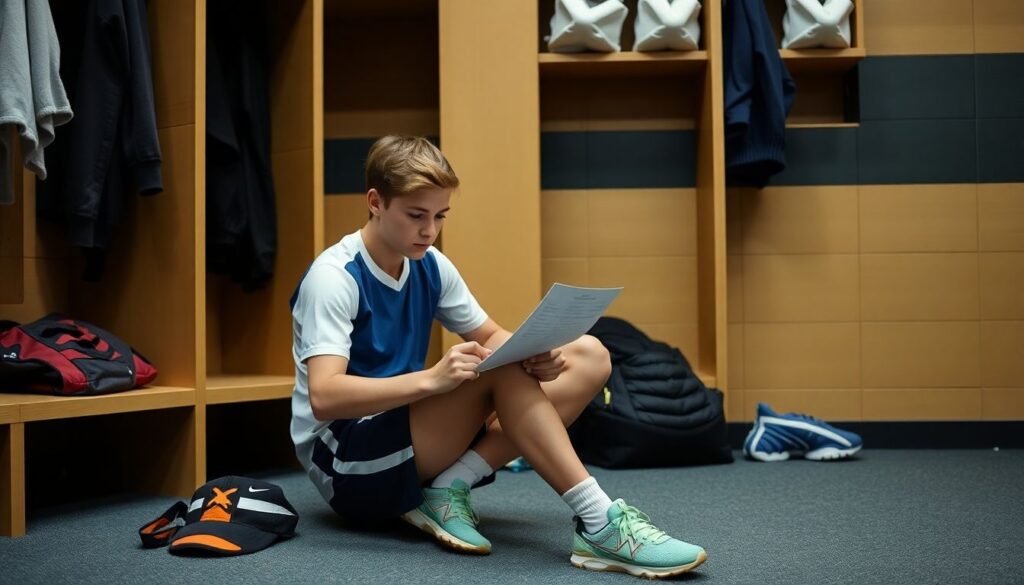
Use brief 1-5 self-ratings for confidence, focus and enjoyment before and after matches. Combine them with your own notes on behaviours such as body language, communication and response to mistakes.
How do I adapt mentoring to different ages in the same team?
Keep group messages simple and universal, then individualise examples and tasks in short one-to-one moments. Younger players need concrete actions and stories; older ones can handle more abstract discussion and self-reflection.
When should I refer a player to a qualified sport psychologist?
If you notice persistent signs of distress (sleep problems, strong fear, rapid mood swings) that affect life beyond football, or if mentoring does not reduce anxiety after several weeks, consult a licensed professional.
Can mental training replace tactical or technical work?
No. It should support and integrate with technical, tactical and physical training. Mental routines increase the chances that players use their skills under pressure; they do not substitute proper coaching in other areas.