
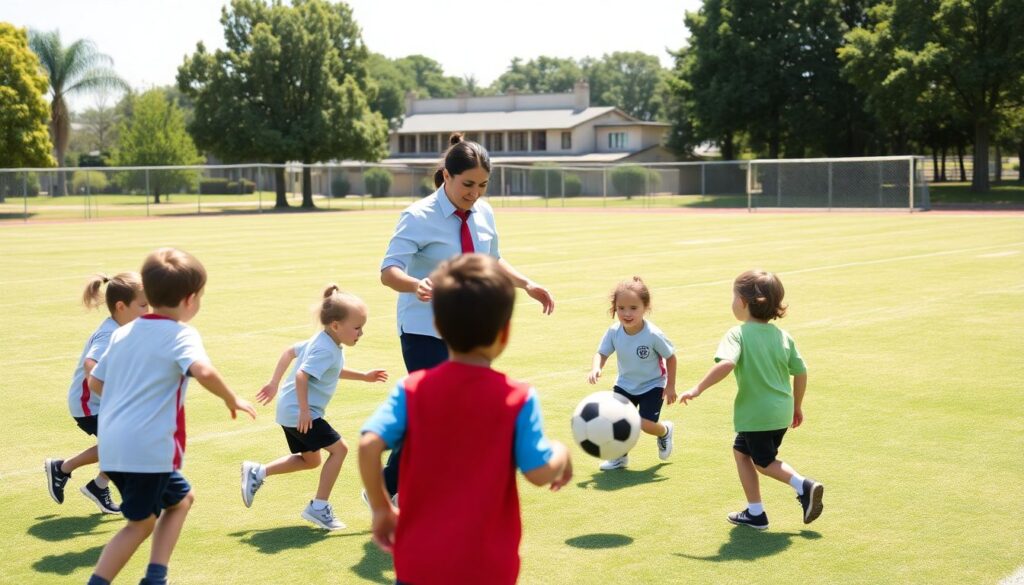
Parental mentoring in youth football means guiding your child with calm structure, realistic expectations and space for their own motivation. You support by listening, setting healthy limits, and coordinating with coaches, not by pushing performance. The goal is long-term wellbeing: enjoyment, learning and character, rather than short-term results or early specialisation.
Essential guidance for supporting young footballers
- Separate your dreams from your child’s; let them own their football journey.
- Prioritise health, school and friendships over extra training or more matches.
- Use questions and listening instead of giving constant technical advice.
- Focus feedback on effort, attitude and learning, not goals or selection.
- Agree clear family limits on time, money and travel for football.
- Build cooperation with coaches and clubs; avoid sideline coaching and complaints.
- Watch for signs of stress, burnout or injury and slow down when needed.
Understanding developmental stages in youth football
Problem: many parents expect adult behaviours from children, creating pressure and frustration. Understanding basic stages helps you ask the right things at the right time and avoid harmful comparisons with other kids in the escuela de fútbol para niños con entrenamiento para padres.
General guide (ages are approximate and overlap):
- 6-9 years: discovery and fun
Focus: play, coordination, basic rules. Attention span is short. Children need variety and playfulness more than structure.
Not suitable for: heavy tactical talks, criticism after mistakes, early position specialisation. - 9-12 years: learning and habit building
Focus: basic technique, teamwork, handling simple instructions. They can start to train more regularly if it stays fun and balanced with school.
Not suitable for: intense physical loads, long video analysis, dramatic reactions to results. - 12-15 years: growth and identity
Focus: big physical changes, emotions, social life. Performance can fluctuate because of growth spurts.
Risks: comparing body changes, shaming weight, ignoring pain as «normal». - 15-18 years: performance and choices
Focus: clearer goals, higher competition, decisions about studies and football level.
Risks: giving up school options for uncertain football promises, tolerating unhealthy training volumes.
When you should slow down or rethink:
- Your child frequently says they feel scared or sick before matches.
- Injuries or pain last more than a few days and are ignored to «not lose their place».
- Football starts to damage school progress, sleep or basic family life.
- You feel more invested in their success than they do and often argue about it.
Example phrase for a 9-year-old after a match: «I love watching you play. What did you enjoy most today?» instead of «Why didn’t you run more?»
Balancing encouragement and expectations: practical boundaries

Problem: wanting the best for your child can easily turn into pressure, especially in competitive environments or when you invest time and money in a coach deportivo para niños con asesoría a padres or similar services.
Practical elements you need in place:
- Written family agreement about football
Involve your child in a short, simple agreement that covers:- How many training sessions and matches per week are acceptable.
- Rules about schoolwork before football activities.
- Maximum travel time and tournament frequency you are willing to accept.
- Clear expectation focus: effort, not outcome
Define what «success» means in your home: things like attitude, respect, and learning. Make it explicit that selection, goals, or trophies are bonuses, not conditions for affection. - Budget and time limits
Before paying for a programa de mentoría en fútbol para familias y niños deportistas, decide:- How much you can spend per month without stress.
- How many evenings per week the family can realistically give to football.
- Emotion rules for adults
Agree with your partner or other caregivers:- No shouting instructions from the sideline.
- No talking negatively about coaches, referees, or teammates in front of the child.
- «Cool-down rule»: no match analysis during the car ride home.
- Exit and pause options
Make it safe for your child to say they need a break, especially in a taller para padres de jugadores de fútbol base or high-pressure team:- Offer a trial period each season where they can decide if they want to continue.
- Normalise taking one season at a lower intensity if life gets too full.
Example script when your child joins a new team: «We’ll try this for one season. We expect you to give your best effort and respect everyone. If you ever feel it is too much, we talk together and adjust.»
Effective communication: conversations that motivate
Problem: many parents talk mainly after mistakes or losses, turning football into a performance review instead of a learning journey. Good communication keeps the relationship safe and your child motivated, whether they play in a local club or an escuela de fútbol para niños con entrenamiento para padres.
Risks and limits to keep in mind before changing how you talk
- Over-questioning can feel like interrogation and make children hide their true feelings.
- Giving technical advice without coordination with the coach can confuse and frustrate the player.
- Talking only about football can shrink their identity and increase anxiety.
- Using football as a reward or punishment for behaviour can damage both motivation and attachment.
- Deep emotional topics around fear, identity or body image may need professional support if they persist.
- Start with connection, not correction
Before talking about performance, show that you enjoy your child beyond football.- Greet them with a smile after matches, independent of the result.
- Talk briefly about non-football topics (friends, school, something funny) before any analysis.
Example: «It was fun watching you out there. How was your day at school before the game?»
- Ask open, neutral questions
Use simple questions that invite reflection instead of judgement.- «What did you enjoy most today?»
- «What felt difficult?»
- «What is one thing you’d like to try differently next time?»
Avoid: «Why did you miss that chance?» or «Don’t you care about winning?»
- Listen fully before offering opinions
Give them space to speak without interruption.- Maintain eye contact and use short confirmations («I see», «Makes sense»).
- Reflect back what you hear: «So you felt nervous when the coach shouted?»
Only after they finish, ask: «Do you want my opinion, or do you just want me to listen?»
- Give safe, specific feedback
Keep comments short, focused on controllable behaviours.- Use «I noticed…» instead of «You always/never…».
- Example: «I noticed you kept running back to help in defence. That shows great effort.»
- For difficult moments: «Everyone makes mistakes. What can we learn from this one?»
- Agree when to stop talking about football
Protect your relationship by limiting football talk.- Set a daily or post-match rule: «We talk about football for 10 minutes, then we switch topics.»
- Respect it, even if you feel there is more to say.
Example phrase: «We’ve talked enough about the game. Let’s enjoy the rest of the day.»
- Use regular check-ins, not only crisis talks
Once a month, have a calm, short chat about their overall experience.- Ask: «On a scale from 1 to 10, how much are you enjoying football right now?»
- Follow with: «What would make it a bit better?»
If fun consistently scores low, consider adjusting training load or competition level.
Creating a supportive home routine for training and recovery
Problem: even motivated young players struggle if home routines are chaotic. Parents sometimes add private sessions or a curso online para padres de futbolistas jóvenes without first stabilising sleep, nutrition and rest.
Use this checklist to review your home environment:
- Your child sleeps enough hours for their age, with consistent bed and wake times on school nights.
- There is at least one screen-free meal per day where football is not the main topic.
- Training days include a simple snack plan (e.g., water and light food before, balanced meal after).
- There is at least one full rest day per week without organised sport.
- Homework and study have a regular slot that is protected from training changes as much as possible.
- Stretching or light mobility after training is encouraged but not forced or painful.
- Your child has time each week for non-football fun with friends or family.
- Equipment (boots, shin guards, water bottle) is prepared together in advance to reduce last-minute stress.
- Injuries, pain, or unusual fatigue lead to reduced load and, if needed, medical advice-not to «playing through».
- Any additional work recommended by a coach deportivo para niños con asesoría a padres fits inside, not on top of, a healthy weekly rhythm.
Example adjustment: if your child is tired and irritable on Monday after weekend tournaments, protect Monday evening as a lighter day with earlier bedtime and no extra training.
Recognizing burnout and managing injury risks
Problem: driven environments and ambitious parents can unintentionally push children into burnout or ignore early injury signs, especially when invested in a programa de mentoría en fútbol para familias y niños deportistas or high-level teams.
Common parental mistakes to avoid:
- Confusing commitment with constant participation
Believing that missing a training or playing less in one tournament means «lacking commitment», instead of seeing rest as part of development. - Minimising pain or fatigue
Using phrases like «Everyone plays with pain» or «Don’t be soft» when a child reports persistent discomfort. - Ignoring mood and behaviour changes
Not linking irritability, sadness, or loss of interest in other activities with possible burnout from football stress. - Overloading with multiple teams
Allowing your child to play for school, club, and extra teams simultaneously, creating too many weekly matches. - Using punishment linked to football
Removing football as punishment for non-related behaviour, which can increase anxiety if football is their main source of joy and social life. - Talking only about performance after injuries
Asking «When will you be back?» instead of «How are you feeling?» and «What do you need right now?» - Choosing intensity over medical advice
Continuing normal training despite professional recommendations to rest or adapt load. - Comparing with tougher peers
Saying «Your teammate trained with the same injury» instead of respecting each body’s differences.
Safer approach: take any pain that changes how your child moves seriously, pause competition, and consult a qualified health professional. Emotionally, if your child often says «I don’t want to go» or looks distressed before sessions, slow down and explore the causes calmly.
Collaborating with coaches and clubs: constructive involvement
Problem: tension between parents and coaches can fall back on the child. Healthy collaboration gives consistent messages and protects their experience, whether you are in a grassroots club or attending a taller para padres de jugadores de fútbol base.
Constructive alternatives for different situations:
- Alternative 1: Structured parent-coach meeting
When: if you feel communication is unclear or you disagree about playing time.
How:- Request a short meeting at a calm moment, never just before or after a match.
- Use «I» messages: «I’d like to understand how I can best support my child from home.»
- Ask what the coach expects from your child this season in terms of attitude and learning.
- Alternative 2: Neutral third-party mentoring
When: if emotions run high or there is repeated conflict about your child’s role in the team.
How:- Look for a coach deportivo para niños con asesoría a padres who focuses on communication and wellbeing, not just performance.
- Use them to translate feedback, set realistic goals, and keep boundaries between home and club.
- Alternative 3: Educational resources for parents
When: if you feel unsure about what is healthy in terms of training load or expectations.
How:- Enroll in a curso online para padres de futbolistas jóvenes or local workshop to learn about development, psychology and injury prevention.
- Share key insights with your child, always adapted to their age and personality.
- Alternative 4: Adjusting the football environment
When: if the club culture regularly clashes with your family values or your child’s wellbeing.
How:- Consider changing to a club or escuela de fútbol para niños con entrenamiento para padres that emphasises education and respect over early results.
- Prioritise places where communication with families is open and children are visibly enjoying their football.
Example phrase in a meeting: «My main priority is my child’s wellbeing and love for the game. How can we work together to protect that, while still helping them improve?»
Common concerns and concise solutions for parents
How do I know if I am pushing my child too hard in football?
Watch their behaviour: frequent complaints about going to training, sleep problems, or loss of joy are warning signs. Ask directly, in a calm moment, «Is football still fun for you, or does it feel like pressure?» and be ready to reduce load if needed.
What should I say after a bad match or a visible mistake?
Keep it short and supportive: «Everyone has tough games. I’m proud of how you kept trying.» Avoid analysing details immediately; wait until they are calm and, if they want, ask what they learned from the experience.
Is extra private coaching a good idea for my child?
Only if your child genuinely wants it, has enough rest and school time, and current training is not already too intense. A good programa de mentoría en fútbol para familias y niños deportistas or private coach should speak with the club coach to avoid overload.
How can I handle disagreements with the coach about playing time?
Do not discuss it at the pitch or in front of your child. Request a short meeting, ask for clear feedback on what your child can work on, and focus on cooperation instead of demanding more minutes.
What if my child wants to quit football?
Stay curious, not defensive. Explore the reasons, offer options like changing team or reducing load, and agree on a trial period before a final decision. Their long-term wellbeing and trust in you are more important than continuing in one sport.
How do I protect my child from burnout while still helping them improve?
Limit total weekly matches and training, ensure at least one full rest day, and monitor mood and sleep. Improvement comes from consistent, enjoyable practice, not constant intensity or never missing a session.
Should I talk about professional football careers with my young child?
It is fine to dream together, but keep the focus on learning, fun, and education. Emphasise that very few reach the top level and that school, health and character will always matter more than football status.