
To prepare physically and mentally before a major sporting event, stabilise daily habits weeks in advance, not just the last days. Combine simple strength and mobility work, consistent sleep, structured warm-ups, basic nutrition and hydration rules, and short mental routines. Adjust volume to your sport, respect pain signals, and avoid last-minute experiments.
Pre-match Essentials: Physical and Mental Focus
- Start your preparación física y mental para competiciones deportivas at least 3-4 weeks before the event, not in the final days.
- Keep one short, repeatable pre-event routine for body and one for mind to reduce stress and decision fatigue.
- Avoid introducing new foods, supplements, or intense exercises in the last 5-7 days.
- Use simple breathing and focus cues as entrenamiento mental para deportistas de alto rendimiento, instead of complex rituals.
- Plan recovery windows and micro-breaks between efforts to prevent overload and unnecessary injuries.
- Track sleep and energy with a basic log so you can adjust instead of guessing on competition day.
Daily Conditioning and Energy Management
This section is for intermediate athletes and gamers preparing for serious events who already train at least a few times per week. It fits anyone building rutinas de preparación antes de una competencia deportiva in traditional sports or esports. Do not use these guidelines to push through acute pain, fever, or recent injuries without professional clearance.
Low-risk weekly structure (3-4 weeks before)
- Movement base (3-4 days per week). Combine 20-40 minutes of low-impact cardio (brisk walk, cycling, light jog) with 20-30 minutes of strength and mobility. Stop if pain changes your movement pattern.
- Prioritise large muscle groups: legs, hips, core, upper back.
- Use bodyweight or light resistance if you are not used to heavy lifting.
- Finish with 5-10 minutes of gentle stretching.
- Sport-specific practice (2-5 days per week). Dedicate focused sessions to skills and tactics of your discipline, not just random play or matches.
- Use clear goals per session: one technical focus and one tactical focus.
- Stop high-intensity drills if you feel unusual dizziness, chest discomfort, or sharp joint pain.
- Deload before the event. Reduce total physical load in the last 3-5 days.
- Cut volume by around one third while keeping intensity for a few short bursts.
- Replace heavy strength with lighter activation and mobility work.
Daily energy checkpoints
- Morning scan. Rate (mentally) your sleep quality, mood, and body tension on a simple low-to-high scale. If two of the three are low for more than 2 days, shorten or soften your training.
- Midday reset. Take 5-10 minutes away from screens for walking, breathing, or light stretching to prevent fatigue accumulation.
- Evening wind-down. Avoid intense training, caffeine, or competitive screens in the final hour before bed on key preparation days.
Sleep Strategies for Peak Cognitive Performance
Sleep is the cheapest and most powerful way to mejorar rendimiento deportivo con hábitos y rutinas. For peak focus, reaction time, and emotional control you need structure more than perfection. Below is what you need in terms of tools, environment, and behaviours.
Core requirements
- Consistent schedule. Aim to keep the same 60-90 minute window for bedtime and wake-up, including weekends, especially in the final 10-14 days before competition.
- Dark, quiet room. Use blackout curtains, blinds, or a simple sleep mask to reduce light. Use earplugs or a white-noise app if your environment is noisy.
- Cool temperature. A slightly cool room (you should feel comfortable under a light blanket) supports deeper sleep stages and easier sleep onset.
Helpful tools and low-risk interventions
- Pre-sleep routine (20-30 minutes). Repeat a simple sequence: dim lights, light stretch or mobility, 5 minutes of slow breathing, then reading or calm audio. Avoid new stimulating games, intense series, or heated conversations.
- Screen management. If you must use screens in the last hour, lower brightness and use night-shift modes. Avoid highly emotional or competitive content.
- Caffeine control. For most people, it is safer to avoid caffeine in the last 6-8 hours before planned sleep. If you are very sensitive, extend this window.
- Naps as a tool. Short naps of 15-25 minutes early in the afternoon can help, but avoid long naps or late naps that interfere with night sleep in the final preparation days.
Warm-up Protocols: From Micro-movements to Muscle Activation
Warm-ups should gradually activate joints, muscles, and nervous system without exhaustion. This is a practical how-to structure you can reuse across sports. Always adapt intensity to your current condition.
Health and safety notes before you start
- Skip intense warm-ups if you have fever, acute illness, or an injury that has not been assessed by a professional.
- Stop immediately if you notice sharp pain, chest discomfort, or unusual shortness of breath.
- Do not copy advanced exercises you have never practised before competition day; keep movements basic and controlled.
- Hydrate lightly before you begin, especially in hot environments, but avoid heavy meals in the 60 minutes before vigorous warm-ups.
- If you are unsure about a movement, reduce its range, speed, or duration.
- Joint micro-movements and pulse raise (3-5 minutes). Start with very small ranges of motion to lubricate joints and gently increase heart rate.
- Neck, shoulders, elbows, wrists: slow circles and flexion-extensions, staying away from pain.
- Hips, knees, ankles: gentle circles and bends, holding on to a stable surface if needed.
- Add light marching or easy skipping on the spot to raise your pulse without breathlessness.
- Dynamic mobility for major chains (5-8 minutes). Move through controlled, sport-related ranges.
- Leg swings front-back and side-side, controlled and pain-free.
- Walking lunges with torso rotation, or simplified half-lunges if necessary.
- Arm circles and band pull-aparts for upper body if your sport uses throwing, hitting, or rowing motions.
- Muscle activation and core engagement (5-8 minutes). Prime specific muscles needed for your discipline.
- Glute bridges, light squats, or step-ups for lower body activation.
- Planks or dead-bugs for safe core engagement; avoid painful sit-ups if you have back issues.
- Light push-ups (inclined if necessary) or pulling with bands for upper body.
- Speed and coordination rehearsal (3-6 minutes). Use short, sharp movements at submaximal intensity.
- Short sprints or quick-feet drills of 5-10 seconds with enough rest.
- Reaction drills: partner calls directions, or use a simple visual cue to change movement.
- For esports and precision sports, add 1-2 minutes of hand and finger speed drills plus quick eye-tracking tasks.
- Sport-specific entry (3-5 minutes). Finish with movements that closely match your first actions in competition.
- Perform a few lower-intensity versions of your key skills (serves, shots, starts, or combinations).
- Gradually increase speed or force on the last few repetitions but stay below all-out effort.
Nutrition and Hydration Timing for Tournament Days
The goal is stable energy and clear thinking, not extreme diets. Link your approach to safe programas de coaching deportivo físico y mental by testing your plan in training days, not on the competition itself. Use this checklist on tournament days.
- Eat a familiar, moderate meal 2-3 hours before key performance: mix of carbohydrates, some protein, and a small amount of fat, using foods your stomach tolerates well.
- Avoid very heavy, greasy, or spicy meals close to start time to reduce digestive discomfort.
- Drink small amounts of water regularly in the 2-3 hours before, rather than a large volume at once.
- If you use sports drinks, trial them in training first; never introduce a new drink on competition day.
- Limit high-sugar snacks right before the event; if you need a boost, have a small, simple option 30-60 minutes before and monitor how you feel.
- Adjust caffeine intake to what you already know works for you; avoid doubling your usual dose out of anxiety.
- Carry simple, familiar snacks (fruit, small sandwich, nuts if tolerated) for long tournaments with multiple matches.
- Check urine colour during breaks: very dark suggests dehydration; almost clear plus frequent urination may mean overdrinking.
- Do not experiment with new supplements, energy shots, or restrictive eating patterns on event day.
- For late-evening finals, plan lighter, earlier meals so you can stay alert without feeling too full.
Mental Routines: Visualization, Breathing, and Focus Cues
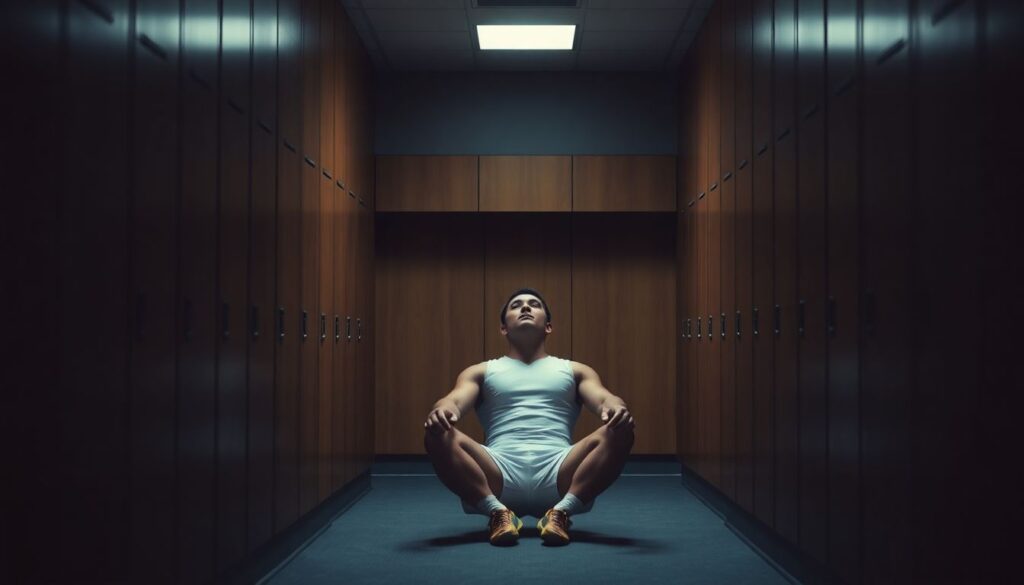
Mental skills are part of entrenamiento mental para deportistas de alto rendimiento but can stay simple and practical. You are aiming for calm intensity, not forced positivity. Below are frequent mistakes to avoid when building mental routines.
- Waiting until the last night to try visualization for the first time instead of practising short sessions during normal training days.
- Using overly complex scripts that you cannot remember under stress, instead of one or two clear images and phrases.
- Breathing too fast or forcefully, which may increase anxiety; aim for slow exhale-focused breathing you have rehearsed.
- Trying to eliminate all nerves instead of accepting some activation as useful energy.
- Linking confidence only to perfect results rather than to controllable behaviours, such as effort, tactics, and communication.
- Changing your routine every event based on superstition; keep a stable sequence and adjust only when you have evidence.
- Ignoring between-match resets in tournaments: you need brief mental off-switch time, not constant hyperfocus.
- Practising focus only in quiet environments and being shocked by noise and chaos on real competition days.
Recovery Between Matches and Long-term Load Planning

Recovery is where your body and nervous system absorb training and competition. Smart choices here support cómo mejorar rendimiento deportivo con hábitos y rutinas without risky shortcuts.
Option 1: Light active recovery
Use this between matches or intense sessions when you have at least 20-30 minutes.
- Walk slowly, mobilise joints, and perform gentle dynamic stretches, keeping movements painless and relaxed.
- Hydrate and eat a small, familiar snack if there is a long gap before the next effort.
- Finish with 3-5 minutes of slow breathing or body scan awareness to lower arousal.
Option 2: Passive recovery and sensory downshift
Use when you feel overloaded, emotionally drained, or have limited space for movement.
- Sit or lie in a quiet, dim area, close your eyes, and focus on long exhales for 5-10 minutes.
- Limit screens and loud conversations to give your brain a break from stimulation.
- If muscles feel tight, use gentle self-massage or a light foam roller, avoiding painful pressure.
Option 3: Planned load cycling across weeks
Use this for long-term planning around major events.
- Build up training volume and intensity gradually over several weeks, not in sudden spikes.
- Schedule at least one easier week or deload every few weeks, especially before big tournaments.
- Align work, study, and family demands with your key training blocks where possible, keeping some buffer for unexpected stress.
Practical Answers to Common Performance Doubts
How many weeks before a big event should I start structured preparation?
For most intermediate athletes, 3-6 weeks of structured preparation is a realistic range. Start with what you already do and layer in one new habit at a time instead of changing everything at once.
Is it normal to feel tired during the taper week?
Yes, it is common to feel flat when you reduce training volume. Keep some short, sharp efforts and trust the process rather than adding extra hard sessions to feel ready.
What should I do if I sleep badly the night before the event?
One poor night is rarely decisive if the previous week was solid. Focus on a calm morning routine, hydration, light movement, and do not try to compensate with excessive caffeine.
Can I train hard the day before competition?
It is safer to avoid very hard or new sessions the day before. Use brief, familiar activation work and technical rehearsals instead of fatiguing workouts.
How long should my warm-up last before the main effort?
Many athletes do well with 15-25 minutes, adjusted to your sport, environment, and personal response. You should feel warm, slightly activated, but not out of breath or drained.
Do I need supplements to perform at my best?
Most intermediate athletes can achieve excellent performance with sound sleep, training, nutrition, and hydration. Only consider supplements with professional guidance and after testing them away from competition.
How do I stay calm when results really matter?
Use a repeatable pre-performance routine, including breathing, a short visualization, and one or two cue words. Practise this under mild pressure in training so it feels familiar on event day.