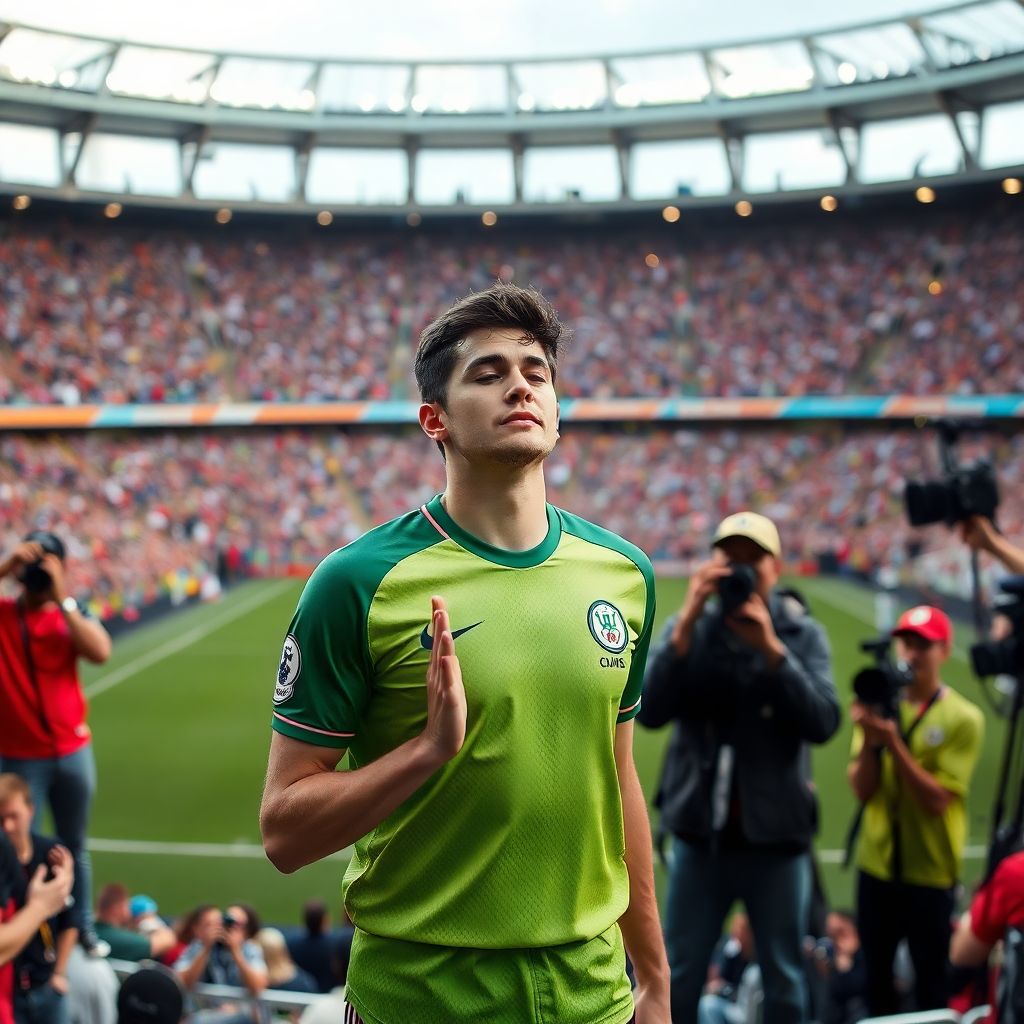
Mental pressure in finals and clásicos is handled best with simple, repeatable routines: clear match goals, short breathing drills, focus cues, and post‑error resets. Use these tools before and during games to stay present, protect decisions, and keep confidence stable, even when the stadium, media, and rivals feel overwhelming.
Essential mental anchors to reinforce before a final
- Define one clear role goal in and out of possession (not more than three ideas in total).
- Decide a 10-20 second breathing and focus reset you will use after mistakes.
- Prepare two short self-talk phrases: one for confidence, one for composure.
- Visualise first 5 minutes: safe decisions, simple passes, strong body language.
- Agree with staff on one information channel: who talks to you and when.
- Plan a fixed pre-kick-off routine to manage arousal (music, activation, stretches).
Pre-match cognitive checklist: probing readiness and risks
This section fits professional and semi-professional players, and also coaches applying coaching mental para futbolistas profesionales. It suits you if you already handle basic tactics and want psychological stability in high-pressure matches. Do not use it as a substitute for medical or psychological treatment when there are serious anxiety or mood problems; in that case, consult a psicólogo deportivo especializado en fútbol de alto rendimiento first.
- Clarify your role in one sentence. State out loud: «Today my job is mainly to…». Avoid long tactical speeches in your own head.
- Identify your top three pressure triggers. For example: early mistake, hostile crowd, opponent taunts. Name them and decide in advance how you will respond (breath, phrase, gesture).
- Set process goals, not only result goals. Replace «We must win» with «I will communicate, scan early, and play simple in first minutes». This is core psicología deportiva para controlar la presión en el fútbol.
- Check your inner dialogue. Notice if it sounds catastrophic («If I fail, everything is lost»). Reframe to task-focused lines like «Win this duel, then the next».
- Screen for red flags. If you feel persistent chest pain, dizziness, or panic, alert medical staff; if you feel chronically hopeless or detached from football, talk with a specialist beyond this guide.
Consistent routines and micro-rituals for match-day stability
Stable routines reduce noise and save mental energy, especially in entrenamiento mental para rendir en finales de fútbol. Keep them simple and realistic in the context of travel, team rules, and kick-off times.
- Pre-arrival routine. Decide what you listen to, when you put your phone away, and one short grounding exercise in the bus (for example, 10 slow breaths noticing feet on the floor).
- Changing-room sequence. Follow the same order: kit, tape, activation, mental review. Attach one cue phrase to jersey on («Ready to compete») and one to boots on («Strong and fast»).
- Tunnel micro-ritual. Choose a private, short gesture: adjust shin pad + breath; touch badge + word like «calm». Keep it under 5 seconds so it works in any stadium.
- Kick-off first actions script. Plan your first safe action: simple pass, clear communication, aggressive but clean duel. This anchors you before the game becomes chaotic.
- Half-time reset pattern. Sit, sip water, do 3 slow breaths, recall one strength from the half, then one adjustment. Repeat every big match; by habit, it calms you.
- Post-match closure. Add a brief cooldown plus 2-3 minute reflection. This supports long-term stability and works well with cursos online de preparación mental para deportistas de élite if you use them.
Breathing, attention and short drills pros use to regain control

Mini-prep checklist before using these drills in a match or training:
- Make sure you are medically fit; if in doubt, keep breathing gentle and pain-free.
- Practice each drill in training at least several times before relying on it in finals.
- Tell a coach or trusted teammate what cue you will use, so they can remind you.
- Keep each exercise between 30 and 120 seconds; do not over-complicate.
-
30-60 second box breathing to drop tension
Use this in breaks, before kick-off, or after a mistake. Breathe in through the nose for 4 counts, hold for 4, out through the mouth for 4, hold empty for 4.
- Repeat 4-6 cycles while keeping shoulders relaxed.
- Focus attention on counting, not on the previous action.
-
Quick visual scan reset between plays
Right after a stoppage, widen your gaze instead of staring at the ground. This supports better decisions in clásicos under heavy pressure.
- Lift your head, scan left-centre-right, then back to the ball.
- Silently say «see the game, not the crowd» while scanning.
-
Three-word focus cue for transitions
Choose a three-word phrase that fits your role, for example «win, simple, forward» for a midfielder. Use it in high-speed transitions.
- Repeat it once in your head just before the ball is in play.
- Link each word to an action: press, play simple, move into space.
-
Post-error body reset in under 10 seconds
This is for immediately after losing a duel, missing a pass, or conceding a goal. It prevents the error from becoming a spiral.
- Exhale strongly, straighten posture, lift chest, and unroll shoulders.
- Clap or give a short instruction to a teammate to re-enter the game mentally.
-
Bench-to-pitch activation breath
Use when you are about to enter from the bench in a final. It switches you from passive watching to active readiness.
- Do one deep inhale, then 2-3 quick, shorter exhales through the mouth.
- Finish with one calm inhale-exhale and a single intention word like «impact».
Tactical emotion control: handling momentum in clásicos
- Notice score changes and crowd noise as «momentum waves», not as proof of destiny; label them in your head («they have a wave», «our turn is coming»).
- After conceding, focus on the next 1-2 actions, not the rest of the match; repeat your three-word cue and connect with the nearest teammate.
- Use time-outs, VAR pauses, or injuries to breathe, scan, and check tactics instead of arguing with referees.
- Agree before the match who calms the team when emotions explode; respect that voice even if you feel angry.
- Reduce emotional «fuel» conversations at half-time (revenge, injustice) and switch to specific tactical corrections.
- When leading, avoid shifting to fear-based football; keep one simple attacking objective so you play to win, not just to avoid losing.
- After intense clashes and derbies, use cool-down plus short debrief instead of replaying conflicts on social media.
Practical decision rules for split-second choices under stress
- Chasing hero moments. Forcing impossible passes or shots «to be the star» in finals instead of reading the game situation.
- Over-correcting after a mistake. Diving into risky tackles or dribbles immediately to compensate, creating a second error.
- Ignoring your first read. Doubting your initial, trained decision because of fear of criticism, then making a slower and worse choice.
- Letting the crowd choose for you. Changing play because of whistles or chants instead of following agreed principles.
- Panic clearances with no target. Kicking the ball anywhere when pressed, instead of a pre-agreed «safety» option (touchline, specific teammate).
- Switching off after passing. Admiring the pass or complaining instead of moving into the next helpful position.
- Verbal arguing in key phases. Talking to referees or rivals while the ball is active, losing marking or timing.
- Abandoning role discipline. Leaving your zone to «fix everything» when the team suffers, unbalancing the structure.
Recovery and debrief checklist to preserve competitive sharpness
- Short personal debrief (10-15 minutes). After basic cooldown, note: 3 things done well under pressure, 1-2 things to adjust next time. Keep language neutral and specific.
- Guided team review with staff. Use video and clear clips in the next days; focus on decisions and emotional responses, not just goals and mistakes.
- Targeted work with a specialist. If certain pressure patterns repeat, consider working with a psicólogo deportivo especializado en fútbol de alto rendimiento or structured coaching mental para futbolistas profesionales programmes.
- Digital and media boundaries. Set a time window for checking media comments after big games and avoid reading them late at night to protect sleep and recovery.
Typical prep concerns and concise corrective steps
How can I stop thinking about the importance of the final?
Shift from result thoughts to task thoughts. Write down three controllable actions for your role and review them before the match and at half-time. When you catch yourself catastrophising, gently bring attention back to the next action and your breathing pattern.
What if I make an early mistake in a clásico?
Use a fixed post-error routine: exhale, correct posture, short phrase («next ball»), simple action. Inform your coach of this plan so they do not misread your reaction. Practise it in training games until it becomes automatic.
How do I handle pressure from fans and media in big derbies?
Limit exposure in the 24 hours before kick-off and immediately after the match. Replace scrolling with a short breathing drill and reviewing your role goals. Discuss media strategy with staff so you are not processing criticism alone.
Is mental training only for players with problems?
No, entrenamiento mental para rendir en finales de fútbol is performance-focused, not only remedial. Use it to stabilise good form, improve concentration, and make better decisions in high-stakes games, just as you use physical training when you already feel fit.
Can online courses really help with pressure management?
Well-designed cursos online de preparación mental para deportistas de élite can provide structured exercises, but they work best when you apply them on the pitch and combine them with feedback from coaches or specialists. Avoid generic content that ignores the realities of professional schedules.
When should I seek one-to-one professional support?
If pressure interferes with sleep, appetite, relationships, or you feel persistent anxiety or low mood, go beyond self-help routines. Consult medical staff and, where available, a qualified psicólogo deportivo especializado en fútbol de alto rendimiento who understands elite football environments.