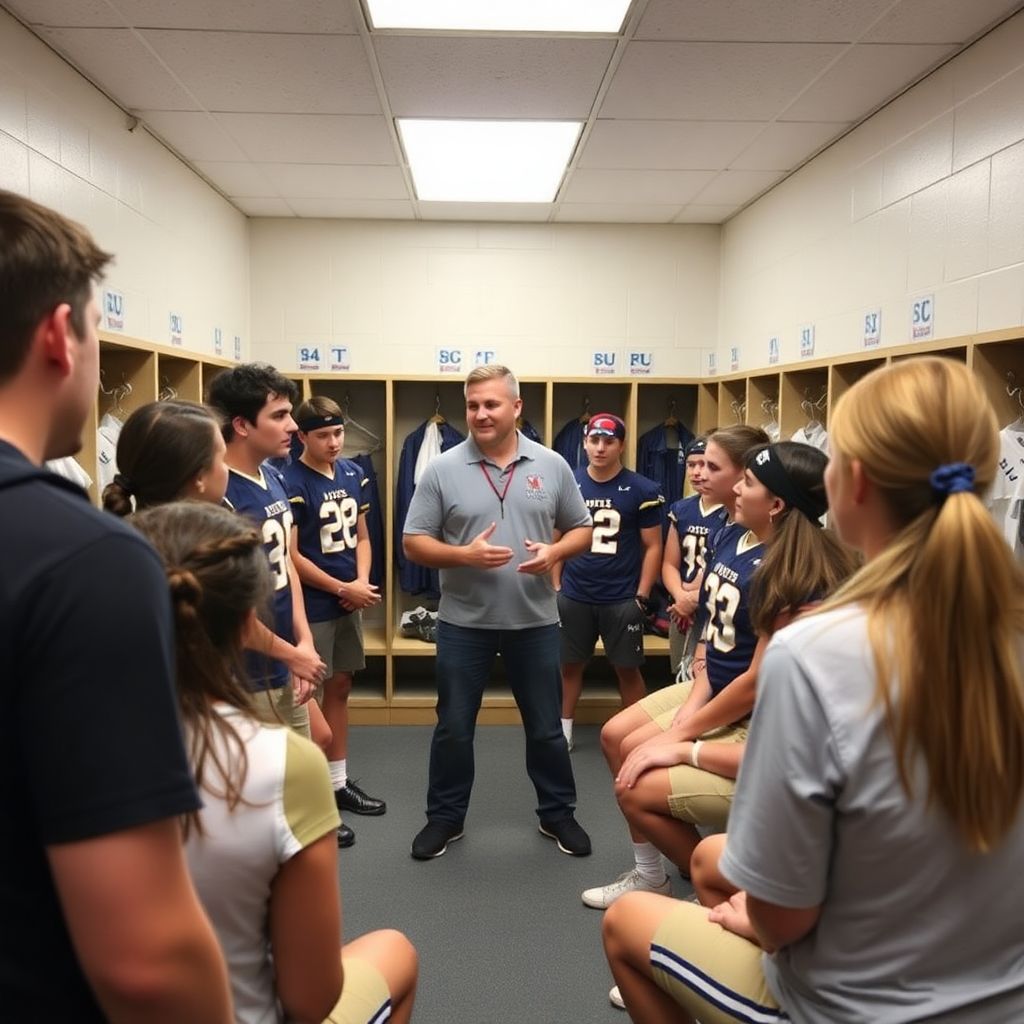
The mentor’s role in forming leaders inside the locker room is to model standards, give clear structure, and create safe opportunities for athletes to practice influence. You design rituals, guide conversations, and protect the culture so captains and informal leaders learn to speak up, resolve tension, and align the team.
Essential mentor behaviors to prioritize in the locker room
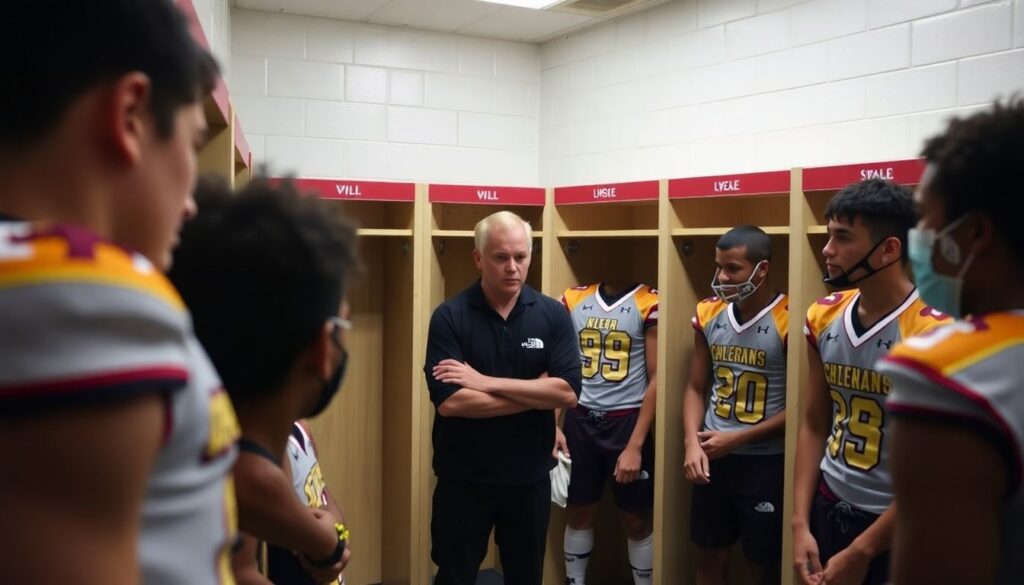
- Open and close each session with the same brief check-in and check-out routine to stabilise the locker room environment.
- Model calm, specific communication under stress; never shout over players to win authority.
- Name and reinforce positive peer leadership moments in real time, not only in reviews.
- Separate behaviour from identity: correct actions without labelling players.
- Invite quieter players into low-risk leadership roles to widen the leadership base.
- Link every correction to team values and game objectives, not to personal preference.
- Use short, private conversations for sensitive topics; avoid public humiliation or sarcasm.
Establishing authority without diminishing peer respect
This approach fits head coaches, assistant coaches, and senior players who act as mentors in semi-professional and professional environments, including Spanish clubs, where the locker room is central to identity and cohesion. It is less suitable if you lack basic trust, clear club backing, or emotional stability under pressure.
- Before the season: Define 3-5 non‑negotiable behaviours in the locker room (punctuality, respect for staff, phone rules, post‑match routines).
- Pre‑training: Arrive early, greet players by name, and do a 1-2 minute micro‑brief with captains about tone and messages.
- During sessions: Correct behaviour quickly, quietly and specifically: state the fact, impact on team, and required change.
- Post‑training: Use 3 minutes at the end for a leadership reflection: what went well in communication, what to improve next session.
- Weekly: Hold a 15‑minute leadership huddle with captains and key influencers to review locker room climate and adjust norms.
To protect peer respect:
- Do: Explain the why behind each rule and involve captains in refining how it is applied.
- Do: Correct privately first; go public only if behaviour affects group safety or clear standards.
- Don't: Use jokes or sarcasm that put individual players down in front of peers.
- Don't: Delegate only negative tasks (e.g., calling out lateness) to captains; share positive responsibilities too.
Building trust through consistent rituals and direct communication
Trust comes from predictable behaviour, not big speeches. To mentor leaders in the locker room, you need a simple structure, a few short routines, and direct language.
- Time and space: Access to the locker room 10-15 minutes before and after training or matches, without constant external interruptions.
- Clear values: A short list of 3-4 team values visible on the wall; refer to them when giving feedback.
- Communication tools: A shared chat group for captains, a weekly leadership meeting, and a simple reflection question after each match.
- Rituals: Pre‑game captain message (30-60 seconds), post‑game debrief, and a weekly "appreciation round" where players recognise each other.
- Support resources: Access to servicios de coach deportivo para equipos profesionales when internal experience is not enough, especially in high-pressure professional environments.
- Education options: Consider a curso online liderazgo y gestión de vestuario deportivo to align staff on shared language and methods.
Direct communication checklist for mentors:
- Use "I see / I notice" language instead of assumptions about attitude.
- Ask short, open questions: "What did you try to do there?" instead of "Why did you do that?"
- End key conversations with a concrete next step and check‑in time.
Spotting potential leaders and creating individual growth plans
Before you design growth plans, prepare with this quick checklist:
- Review training notes and match clips to see who already influences teammates (positively or negatively).
- Ask staff for names of players others naturally follow in drills, gym, or travel situations.
- Clarify which leadership roles you need: vocal captain, cultural guardian, connection builder, tactical organiser.
- Check player workload and mental state; avoid overloading someone struggling with form or personal issues.
-
Identify natural influencers in daily routines
Observe who talks in the locker room before games, who helps organise equipment, who welcomes new players, and who calms tension after losses.
- Note both loud and quiet influencers; leadership is not only about volume.
- Pay attention to who players look at when you speak; that person holds peer attention.
-
Validate your observations with simple data points
Check training intensity, punctuality, and response to feedback for your potential leaders. You want players whose behaviour matches the standards you need others to copy.
- Ask physios and support staff which players show reliability behind the scenes.
- Be careful not to choose only veterans; include younger role models.
-
Have an explicit "leadership invitation" conversation
Invite the player privately, explain what you see in them, and describe the specific role you are offering in the locker room.
- Use clear, time‑bound language: "For the next month I want you to…"
- Ask if they feel ready and what support they will need from you.
-
Co‑create a simple individual leadership plan
Agree on 2-3 concrete behaviours the player will practise in the locker room, with clear situations and frequency.
- Example: "Every training, you start the pre‑session huddle" or "After each match, you speak with at least one younger teammate."
- Set a review date (every 2-4 weeks) to adjust the plan.
-
Pair leaders with mentoring resources and education
Support players with structured learning, especially in clubs using programas de mentoring para líderes de equipo deportivo.
- Offer short readings, video examples, or an internal mini‑workshop.
- Where budget allows, include them in formación de capitanes y líderes de vestuario run by external specialists.
-
Review, reinforce, and adjust roles regularly
Use monthly check‑ins to recognise progress, troubleshoot problems, and, when necessary, rotate roles so leaders do not burn out.
- Ask teammates privately how they experience the new leader.
- Scale successful practices across the team, not just captains.
Practicing leadership: drills, simulations, and role rotations
Use this checklist to confirm that your leadership practice is concrete, safe, and effective:
- You schedule at least one "player‑led" drill per week where captains run warm‑up or activation while staff observe.
- You run short scenario simulations in the locker room (e.g., 0-2 down at half‑time, conflict after a mistake) with players practising speeches and responses.
- You rotate who gives the final word before games, including non‑captains, so more players practise speaking to the group.
- You practice "pressure huddles" in training: 30 seconds to align on a situation, with a different leader each time.
- You give immediate feedback after each leadership drill: one strength, one improvement, one concrete suggestion for next time.
- You avoid using simulations only as punishment; they are framed as skill practice, not as blame.
- You adapt drills to team size: small groups for big squads, whole‑team for smaller rosters.
- You connect drills with education from coaching deportivo liderazgo en el vestuario resources, so vocabulary and expectations are consistent.
- You ensure shy players get structured, time‑limited roles (e.g., leading a two-minute check‑in) rather than being forced into long speeches.
Handling disputes: corrective conversations and precedent-setting
Common errors mentors make when managing locker room conflicts often damage both relationships and authority. Avoid these pitfalls:
- Waiting too long to address visible tension, hoping it disappears on its own.
- Trying to solve complex disputes with quick group speeches instead of private, step‑by‑step conversations.
- Taking sides publicly before listening to both players individually.
- Using the most recent conflict to "rewrite" all rules, creating confusion and resentment.
- Allowing star players to break locker room norms without consequences, setting a dangerous precedent.
- Correcting a leader in front of the whole group in a way that undercuts their future authority.
- Mixing performance feedback with personal criticism, so players feel attacked rather than guided.
- Ignoring cultural and language differences in a diverse squad, leading to misunderstandings.
- Failing to record decisions and precedents, which makes consistent application impossible.
- Not debriefing captains after big conflicts, missing a chance to strengthen shared standards.
Tracking progress: metrics, feedback loops, and adaptation
There are multiple safe, practical ways to monitor whether your mentoring is forming real leaders in the locker room. Choose the option that best fits your level and resources.
- Low‑tech observation sheets: Use a simple checklist to rate behaviours (communication, support, accountability) for your identified leaders every week. Suitable when staff time is limited and you prefer quick, paper‑based notes.
- Structured feedback rounds: Once a month, collect short, anonymous feedback from players about locker room climate and leadership. Ideal when trust is moderate and you want honest data without complex tools.
- Integrated mentoring programmes: For professional teams with access to servicios de coach deportivo para equipos profesionales, use external consultants to design metrics, run interviews, and align staff, captains, and front office.
- Blended education and practice: Combine an internal mentoring plan with a targeted curso online liderazgo y gestión de vestuario deportivo, so learning content and on‑field practice are tracked together through simple assignments and reflections.
Practical answers to common mentorship dilemmas
How many leaders should I develop inside one locker room?
Develop more than just the official captain and vice‑captain. Aim to have leaders for different functions: emotional support, tactical organisation, standards, and bridge to staff. This spreads responsibility and protects the team if one leader is injured or out of form.
What if my best player is a poor role model in the locker room?
Separate performance from behaviour in your conversations. Acknowledge their sporting value but make clear that leadership status depends on actions in shared spaces. Offer coaching and a specific behaviour plan; if they refuse, remove informal leadership privileges while respecting their on‑field role.
How do I support shy players with leadership potential?

Give them small, predictable roles instead of long speeches: leading a short warm‑up, checking in with a younger teammate, or closing a meeting with one sentence. Prepare them beforehand, rehearse once in private, and debrief after to reinforce progress.
Can assistant coaches act as mentors if the head coach is very dominant?
Yes, provided you stay aligned with the head coach on key messages. Focus on one‑to‑one support, conflict mediation, and preparing players to speak up in group meetings. Share your mentoring plans with the head coach to avoid mixed signals.
When should I involve external mentoring programmes?
Bring in external programas de mentoring para líderes de equipo deportivo when internal trust is damaged, the squad is very diverse, or pressure is extremely high (promotions, relegations, big derbies). External voices can reset norms and give captains tools staff do not have time to teach deeply.
How do I keep leadership standards consistent across different age groups?
Define a shared leadership framework for the club, then adapt examples and language for each category. Use the same core rituals (check‑ins, captain messages, debriefs) with simpler versions for youth teams. This makes transitions between age groups smoother.
What if a leadership plan is clearly not working for a player?
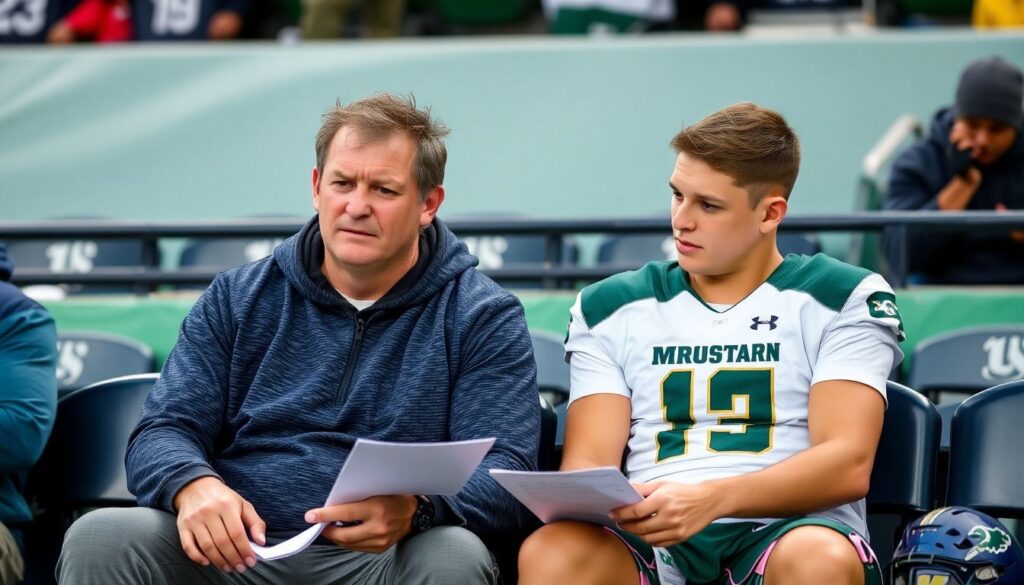
Review after a fixed period, not in the heat of frustration. Check whether expectations were realistic, support was adequate, and the role fit the player’s strengths. Adjust the plan, offer a different type of role, or pause leadership duties without labelling the player as a failure.