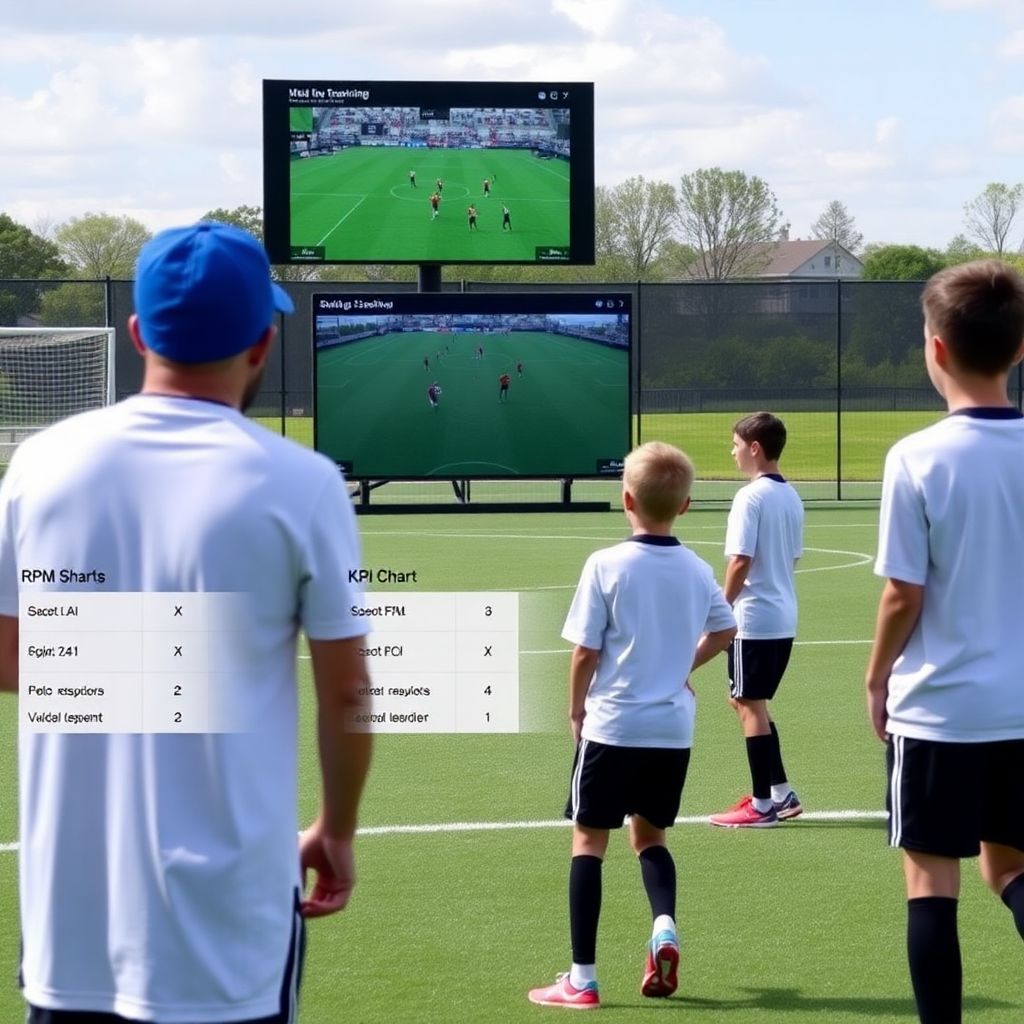
The most common tactical errors in youth and intermediate training are poor positional discipline, wrong tempo, predictable decisions, weak communication, and badly planned progressions. Correct them by isolating each error in simple drills, tracking one clear KPI per drill, progressing load conservatively, and reviewing video plus feedback weekly to secure retention.
Primary tactical failings to target
- Players or trainees abandoning their reference zones and breaking team structure under pressure.
- Actions executed too fast or too slow for the situation, breaking collective synchronization.
- Highly predictable patterns in passing, movement, or decision trees that opponents can easily read.
- Unclear roles and poor communication routines in group training environments.
- Progressions that overload some athletes and underload others, harming learning retention.
- Assessment systems focused on the wrong metrics, creating misleading feedback loops.
Positional discipline errors in category-specific drills
Positional discipline work is ideal for U12-U18 teams, amateur adults, and intermediate company teams training tactical roles (sales, operations, customer service). It is not suitable for very young children (below U8), injured athletes, or staff in high acute stress who first need basic motor or cognitive stability.
Typical positional errors and safe corrections
-
Chasing the ball and abandoning zones
Corrective drill: 4v4+3 neutral rondo with strict zones: each player must stay in their lane; ball can move freely, players cannot switch lanes without coach signal.
KPI: percentage of actions where players keep their zone until tactical trigger (aim for consistent improvement over sessions).
Timeframe: 3-4 weeks of 2 short sessions per week to see stable behaviour in matches or simulations. -
Over-compact or over-stretched team shape
Corrective drill: Positional game 6v6 on a pitch divided into thirds; coach freezes play and measures horizontal and vertical distances between lines, using cones as visual anchors.
KPI: average team length and width staying within pre-defined safe ranges appropriate for age/level.
Timeframe: noticeable improvement in spacing after 4-6 structured sessions. -
Ignoring reference players or spaces
Corrective drill: Scenario-based build-up (e.g., full-back + winger vs. 2 defenders) where the ball carrier must check at least two reference options before passing; use verbal cues: «scan-fix-play».
KPI: number of pre-action scans per player per minute; track using short video clips.
Timeframe: 2-3 weeks to turn scanning into semi-automatic habit in controlled tasks. -
Role confusion in rotations
Corrective drill: Shadow play (11 vs 0 or group vs air) walking through rotations with explicit verbal labels («You anchor», «You press», «You cover»). Repeat at low speed before adding opposition.
KPI: percentage of rotations completed without coach interruption during rehearsed patterns.
Timeframe: 3-5 sessions to reduce confusion; more for new or very complex systems.
For business teams using a curso tácticas de ventas errores comunes, positional discipline translates into territory ownership and pipeline stages; drill the same ideas with call role-plays and territory maps before adding competitive pressure.
Mistimed actions: tempo and synchronization faults
Work on tempo and synchronization requires simple recording tools (smartphone or tablet for slow-motion video), cones for timing references, and a spreadsheet or app to track KPIs. Always prioritise safety: fatigue radically increases timing errors and collision risk, especially in contact or high-speed sports.
Key timing faults and corrections
-
Pressing too early or too late
Corrective drill: 3v3+3 support game where pressing is only allowed on a coach whistle or specific trigger (bad touch, backward pass). Start at walking pace, then jog, then game speed.
KPI: ratio of correct vs. incorrect pressing triggers per small-sided game.
Timeframe: 3-4 weeks for reliable trigger recognition in most players. -
Finishing actions out of sync with support
Corrective drill: Finishing waves where the passer must arrive in the box at the same time as the shot, using a simple 3-2-1 audible count before the final pass.
KPI: percentage of attacks where at least two players arrive in the final zone synchronized.
Timeframe: visible improvement after 2 weeks if trained twice weekly with low fatigue. -
Slow transitions
Corrective drill: 5-second transition games: after ball recovery, team has 5 seconds to reach a target zone. Start with walking/jogging pace, then add speed only when decision quality is stable.
KPI: average time from recovery to first forward action; number of successful «within-5-second» transitions.
Timeframe: 4-6 sessions to see consistent reduction in transition time. -
Asymmetric tempo between units
Corrective drill: Line synchronization runs (defensive line + midfield line move forward and backward on whistle) combined with ball circulation; keep initial intensity low.
KPI: number of offside traps or line steps executed with full-unit alignment (no player left behind).
Timeframe: 3-5 dedicated blocks before you add this behaviour into larger games.
In sales, formación comercial online cómo corregir errores tácticos usually includes timing exercises for discovery questions, price anchoring and closing attempts; you can mirror the sports approach by scripting tempo and synchronizing actions with teammate interventions.
Predictable decision patterns and how to disrupt them
Before applying the following steps to disrupt predictable decisions, consider these risk and limitation checkpoints:
- Do not overload beginners with too many decision rules at once; cap to one or two clear cues per drill.
- Avoid full-speed chaos games until players show basic control in low-intensity scenarios.
- Screen for recent concussions, attention disorders, or high stress; simplify tasks or reduce intensity when present.
- Introduce new constraints progressively and keep at least one familiar element in each drill to reduce anxiety.
-
Map current decision habits with simple data
Record 2-3 small-sided games or role-play blocks and tag the first decision after receiving the ball or facing a client (pass/shoot/dribble; open question/close/discount).- KPI: distribution of decisions (e.g., right vs left, pass vs dribble, question types).
- Timeframe: 1-2 sessions of observation and basic tagging.
-
Design constraint-led drills to force alternatives
Change rules so the favourite option becomes temporarily «expensive» or unavailable. Example: goals count only after a switch of play, or discounts are forbidden in a sales role-play.- KPI: increase in usage of previously under-used options (weak side, third-man runs, value-based closes).
- Timeframe: 2-3 weeks of controlled drills before expecting transfer to competition.
-
Layer simple if-then decision cues
Teach compact rules such as «If you see 2 defenders in front, then switch play» or «If the client hesitates twice, then ask a clarifying question instead of discounting». Keep no more than two rules per drill at intermediate level.- KPI: percentage of situations where the chosen action matches the target cue.
- Timeframe: 3-5 sessions for reliable cue-response links in practice.
-
Introduce random stimuli to train adaptability safely
Use colour calls, numbered cones, or scenario cards to change constraints at coach signal, but always control speed and volume to avoid cognitive overload. For example, a different finishing condition is activated when you raise a coloured marker.- KPI: error rate immediately after rule switches; aim for gradual reduction.
- Timeframe: ongoing; integrate 5-10 minutes of variability work into weekly plans.
-
Consolidate new patterns with video and self-explanation
Show short clips (10-20 seconds) where a player or salesperson chose the new pattern and ask them to explain the cue and choice in their own words. Keep reviews short but regular.- KPI: number of correct self-explanations per review session.
- Timeframe: 2-4 review cycles to stabilise new tactical habits.
For managers evaluating mejores cursos para mejorar tácticas de negociación, check whether programmes include this type of constraint-led, decision-variation work rather than only theoretical models.
Communication and role ambiguity in group training
Use the following checklist to verify whether your corrections to communication and role ambiguity are working. Reassess weekly and after any change in staff, system, or age group.
- Each role (e.g., pivot, full-back, closer, account owner) has a one-sentence description visible on the board or shared document.
- At least one pre-defined verbal or non-verbal signal exists for each key tactical phase (build-up, pressing, transition, closing a deal).
- Players or trainees can accurately state their primary and secondary tasks when asked individually without prompts.
- Group drills include a short «who says what, when» rehearsal before full-speed execution.
- After a mistake, feedback references role and communication («as the 6, you call pressure earlier»), not just effort.
- Mixed-experience groups pair a senior with a junior to reduce ambiguity and provide in-action corrections.
- In video or debrief sessions, clips are tagged not only by technical action but also by communication quality.
- No trainee consistently asks «Where should I be?» or «What should I do now?» in already-trained scenarios.
- Safety calls (e.g., injury stop, overload, mental fatigue) are explicitly trained and used without stigma.
When you select programas de capacitación en ventas para corregir errores tácticos, prioritize those that include explicit communication protocols and role scripts, not just generic persuasion tips.
Progression mismatches: overload, underload and retention issues
Progression design is where many tactical projects fail. These are the most common progression errors and how to avoid them safely.
-
Jumping from drill to full competition too fast
Issue: athletes or staff can execute the tactic in isolation but collapse under pressure.
Fix: add 1-2 intermediate levels (e.g., from 5v0 shadow play to 7v4, then to 11v11; from scripted call to slightly hostile role-play, then to real call with support). Increase intensity conservatively.
KPI: success rate at each intermediate level before promotion (target a stable, safe level rather than perfection).
Timeframe: 2-3 weeks per tactical theme at intermediate level. -
Keeping difficulty flat and causing underload
Issue: players are bored; tactical learning plateaus.
Fix: adjust one variable at a time: space, number of players, time limit, scoring rules. Only increase when KPIs are stable for at least two sessions.
KPI: perceived exertion (moderate), consistent tactical success, and engagement levels during drills.
Timeframe: review every week; micro-adjust difficulty, not massive jumps. -
Ignoring individual differences
Issue: same drill is too hard for some, too easy for others.
Fix: create role-based load: stronger decision-makers handle more complex rules or central roles; developing players use simpler cues or lower-pressure positions.
KPI: individual tactical error counts; subjective confidence reports.
Timeframe: small adaptations each session; bigger role changes every 3-4 weeks. -
Neglecting retention sessions
Issue: after initial improvement, old habits return in matches or real negotiations.
Fix: schedule brief, lower-load refreshers every 1-2 weeks, integrating previous tactical topics into current drills.
KPI: stability of targeted behaviour across a full month of competition or client meetings.
Timeframe: retention is long-term; plan for months, not days. -
Escalating load without explicit safety checks
Issue: increase in injuries, mental fatigue, or emotional overload when adding complexity or physical intensity.
Fix: install a standard check before escalation: (1) no pain or red flags, (2) error rate under a safe threshold, (3) players verbalise rules correctly, (4) a clear exit option if overload appears.
KPI: absence of preventable overload incidents when difficulty is raised.
Timeframe: apply safety checks every session you modify load.
Conservative, well-structured load increases are equally relevant in formación profesional en tácticas de venta para empresas, where cognitive burnout and stress can quietly undermine tactical learning if you rush escalation.
Assessment errors: faulty metrics and feedback loops

When your current metrics drive the wrong behaviours, consider these safer alternatives and when to use each.
-
From outcome-only to process-plus-outcome metrics
Alternative: track not only goals or deals closed, but also tactical process KPIs: number of correct presses, switches of play, or qualified opportunities created.
Best when: working with developing athletes or junior salespeople who need to build correct habits before being judged solely on results.
Expected improvement timeframe: 4-6 weeks to see a shift in behaviour and decision quality. -
From coach-only feedback to shared, video-based loops
Alternative: replace long monologues with short, focused clips where players identify tactical errors themselves and propose corrections, then confirm with coach guidance.
Best when: teams have access to basic recording devices and enough time for 10-15 minutes of review per week.
Expected improvement timeframe: 3-4 review cycles to see more autonomous corrections in play. -
From generic ratings to scenario-specific scorecards
Alternative: build simple checklists per key scenario (pressing, build-up, negotiation opening, objection management) and rate only 3-4 items per scenario instead of vague «tactical 7/10».
Best when: coaches or trainers struggle to give precise feedback and trainees feel unclear about expectations.
Expected improvement timeframe: immediate clarity; behaviour shifts over 2-3 weeks as players align to the clearer scorecard. -
From sporadic reviews to regular, low-dose feedback
Alternative: integrate micro-feedback (1-2 sentences) into drills and brief end-of-session reflections instead of rare, heavy meetings.
Best when: time is limited and stress is high; shorter, more frequent loops are easier to sustain.
Expected improvement timeframe: within a couple of weeks, error repetition rates begin to drop.
When comparing curso tácticas de ventas errores comunes with more advanced training options, check whether they use these healthier feedback loops rather than just pressure-based leaderboards.
Practical clarifications and uncommon scenarios
How many tactical themes should I train at the same time?
At intermediate level, focus on one primary and one secondary tactical theme per training block (2-4 weeks). More themes create confusion and dilute learning, especially for youth or busy professionals.
How do I adapt these ideas for very young players (U8-U10)?
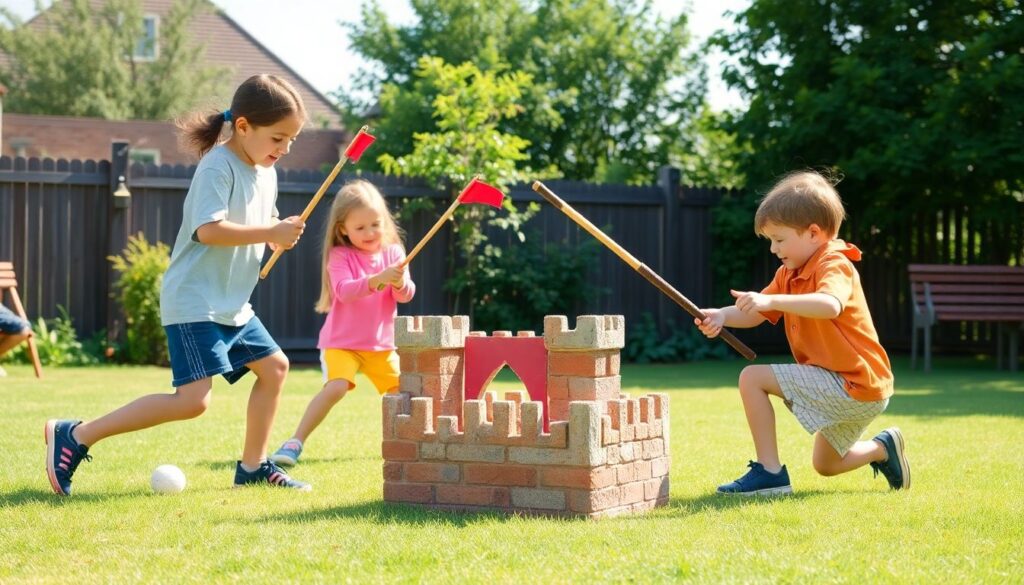
Use games with simple storylines («defend the castle», «cross the river») instead of abstract tactical language. Keep constraints minimal, prioritise fun and basic spacing, and avoid heavy video or data work.
Can I mix physical conditioning with tactical correction in the same drill?
Yes, but only after players show stable tactical execution at low and moderate intensity. When in doubt, separate high-intensity conditioning from complex decision-making to reduce injury and error risk.
What if I have no video tools or analysis software?
Use simple methods: freeze play and ask questions, take handwritten tallies of key actions, or record short audio notes after drills. Consistency of observation is more important than technology level.
How often should I progress difficulty in tactical drills?
Review every week, but only increase difficulty when error rates are under control and players can explain the rules back to you. If performance drops sharply after changes, step back to the previous level.
Is it safe to copy professional systems for youth or amateur teams?
Copying full systems is risky. Instead, borrow small, clearly defined principles (e.g., pressing triggers, basic spacing) and adapt them to your group’s physical, cognitive, and time constraints.
How do I align sales tactical training with on-field sports tactics for dual-career athletes?
Use shared language for cues and phases (build-up/discovery, pressing/objections, finishing/closing). Keep loads conservative in both domains and coordinate calendars so high-pressure cycles do not overlap excessively.