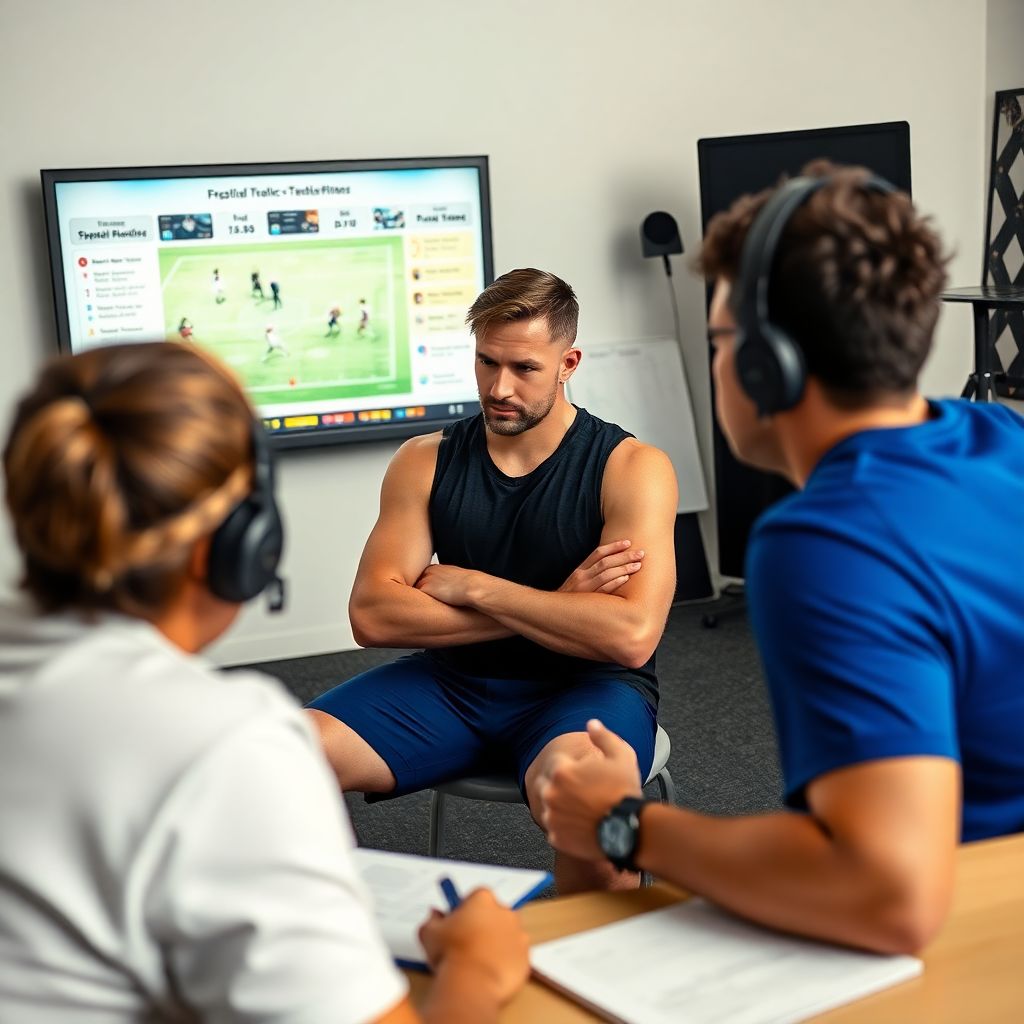
Painful defeats can become engines of growth when you analyse them calmly, regulate emotions, adjust technical and tactical habits, and design short, focused practice cycles with clear metrics. Combine self-reflection, objective data and support from an entrenador mental deportivo or psicólogo deportivo online to protect confidence while systematically upgrading your game.
Core principles for converting painful losses into progress
- Separate emotion from information: process feelings first, then analyse the match using simple, repeatable criteria.
- Transform vague frustration into 2-3 specific, controllable skills or decisions you will train in the next micro-cycle.
- Use short feedback loops: assess, adjust, test in training, re-assess in competition, then refine again.
- Balance mental, tactical and physical work so that no single area becomes a hidden bottleneck.
- Define «mini-wins» (behaviours and decisions) instead of judging progress only by the final score.
- Use external support-coaching deportivo para superar derrotas, peer review, video-to reduce bias and blind spots.
Debriefing the defeat: structured post-match analysis
Post-match debriefing after a painful loss is suitable for intermediate athletes who already have basic self-observation skills and a regular training routine. It helps when you feel stuck, repeat the same errors, or your emotional reaction blocks learning from competition.
A structured review is not recommended in some situations:
- You are still very upset (crying, angry outbursts, strong shame) in the first hours after the event. In that case, prioritise calming down and sleeping before analysing.
- You have a history of harsh self-criticism, perfectionism or previous mental health issues. Work with a psicólogo deportivo online or in person to design a gentler approach.
- Your coach-athlete relationship is currently tense or conflictive. Start with a brief, factual review and postpone deep tactical discussion to a later session.
- The defeat was associated with an injury or traumatic situation. Address medical and safety issues first; postpone detailed review until you feel emotionally safer.
When conditions are adequate, use a simple three-channel structure:
- Facts – score, conditions, opponent style, tactical plan, key moments.
- Feelings – emotions before, during, after; how they affected decisions and execution.
- Focus – what you controlled well, what slipped, and where your attention was at critical points.
This structure can be guided by your head coach, an entrenador mental deportivo, or integrated into programas de desarrollo mental para deportistas so that every defeat becomes a source of consistent data for improvement.
Emotional regulation strategies to prevent performance decline
To prevent future performance drops after painful losses, you need basic tools and conditions that are safe and realistic in an everyday training context:
- Quiet space: a place where you can sit without interruptions for 10-15 minutes after competition or training.
- Timer or watch: to guide short breathing routines, body scans, or thought journaling.
- Notebook or notes app: to capture emotions, triggers, and helpful self-talk phrases before they fade.
- Support network: at least one person (coach, teammate, family member, psicólogo deportivo online) with whom you can speak openly without being judged.
- Recovery basics: hydration, light nutrition, and sleep routine to reduce physiological stress that can amplify negative emotions.
- Educational input: cursos de crecimiento personal para deportistas, short videos or worksheets on breathing, grounding, and cognitive restructuring techniques.
With these elements, you can implement simple emotional regulation strategies safely:
- Controlled breathing – 4 seconds inhale, 6 seconds exhale, for 2-5 minutes, to reduce heart rate and muscle tension.
- Body check-in – scan from head to toe, notice tension, and gently relax specific areas (jaw, shoulders, hands).
- Thought label – write down recurring thoughts («I always fail under pressure») and mark them as «thoughts, not facts».
- Compassionate rephrasing – replace harsh self-criticism with task-focused, realistic lines («I rushed my footwork; I will train that turn sequence tomorrow»).
Technical and tactical adjustments grounded in evidence
Before making changes, consider these risks and constraints:
- Changing too many variables at once can destabilise performance and increase confusion.
- Copying adjustments from other athletes without considering your body type, experience or playing style can raise injury risk.
- Training new tactics at full intensity immediately after a defeat can overload your nervous system.
- Ignoring pain or fatigue while «fixing mistakes» may hide early signs of overuse injuries.
Use the following safe, step-by-step process to turn defeat analysis into concrete, manageable adjustments:
- Identify one or two priority patterns – not everything at once.
Review video or notes and choose maximal two recurring issues that clearly affected the result (for example, late reaction to cross balls or poor decision on fast breaks).
- Prefer patterns that are controllable (footwork, positioning, communication) over external factors (referee, weather).
- Check that you fully understand what happened; if not, discuss with your coach or use coaching deportivo para superar derrotas to clarify.
- Translate patterns into specific technical actions
Describe in technical language what needs to change: angle, timing, spacing, contact point, or decision rule.
- Example: «Arrive one step earlier and plant outside foot before changing direction» instead of «be faster».
- Write down the new desired action in one short sentence you can recall under pressure.
- Design low-risk drills at reduced speed
Create or adapt drills where you can focus on the new action with limited physical and cognitive load.
- Start at 50-70% speed and intensity for the first sessions.
- Limit total repetitions to an amount that feels demanding but controllable, without pain.
- If unsure, consult your coach or medical staff to avoid aggravating existing niggles.
- Add decision-making and pressure progressively
Once the technical adjustment is stable at moderate speed, introduce simple decisions, then competitive pressure.
- Phase 1: fixed pattern without opponent.
- Phase 2: semi-predictable opponent or signal.
- Phase 3: small-sided or situational games replicating the defeat scenario.
- Measure effect with clear, simple metrics
Use objective indicators to confirm whether the adjustment works.
- Examples: successful executions out of total attempts, reduced unforced errors, improved first-step timing on video.
- Track these indicators for at least two weeks and compare with your baseline data when possible.
- Consolidate with match-day routines
Integrate the new habit into your warm-up and mental cues on competition day.
- Include 3-5 repetitions of the key action in your warm-up.
- Use a short cue word or phrase to trigger the adjustment before the match and during breaks.
- After the match, review whether the new behaviour appeared under real pressure.
Designing short-cycle drills to rebuild confidence
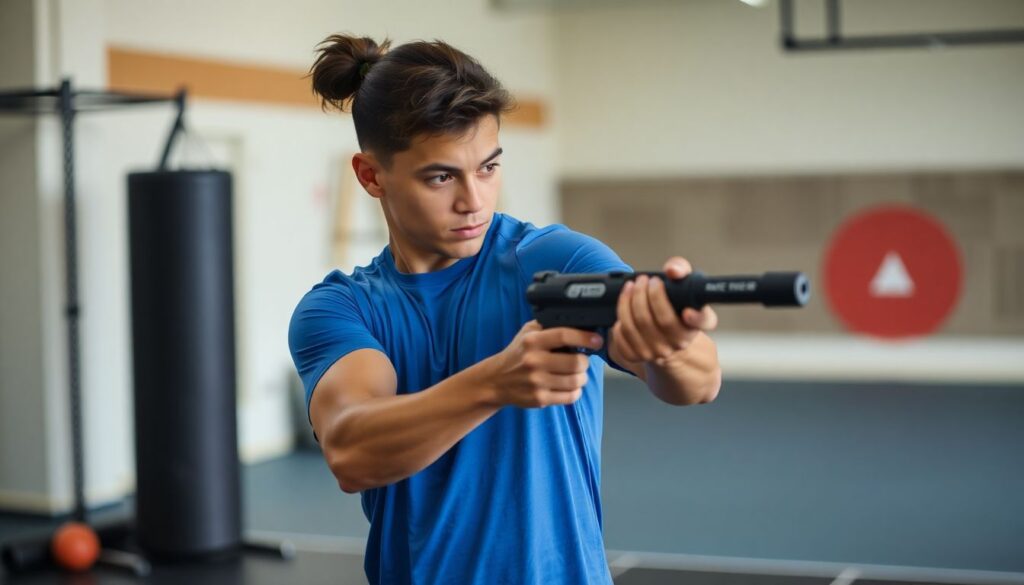
Use this checklist to verify whether your short-cycle drills (1-3 weeks) after a defeat are truly rebuilding confidence and not adding stress:
- The drill targets one clearly defined skill or decision linked to the recent defeat.
- Intensity and volume are appropriate for your current physical condition, without increasing pain or excessive fatigue.
- You can execute the core movement with good technique at least half of the time in early sessions.
- Progression criteria are explicit (for example: increase speed, reduce preparation time, add opponent).
- Each session includes a brief debrief (2-3 minutes) where you name one improvement and one next focus.
- You finish most sessions feeling challenged but not overwhelmed or ashamed.
- Your coach or entrenador mental deportivo can observe and provide constructive feedback at least once per week.
- Metrics are simple to collect (counts, short video clips) and regularly reviewed, not just stored.
- The drills fit within your overall load plan, respecting planned rest and avoiding last-minute additions late at night.
- The drill series has a clear end date and review point, instead of continuing indefinitely without evaluation.
Reframing setbacks into measurable development goals
When turning defeats into goals, avoid these frequent errors that slow progress and increase frustration:
- Formulating goals around outcomes only («win the rematch») instead of behaviours and skills you control.
- Setting too many goals after one defeat, which dilutes focus and makes progress impossible to track.
- Using negative language («stop choking», «don’t fail again») that keeps attention on fear instead of constructive action.
- Ignoring your strengths from the same match, which are essential anchors for confidence.
- Skipping intermediate milestones; expecting a complete transformation by the next competition.
- Not aligning new goals with your long-term development plan or existing programas de desarrollo mental para deportistas.
- Failing to communicate goals to your coach or support team, so they cannot adapt drills or feedback.
- Keeping goals «in your head» instead of writing them clearly and revisiting them weekly.
- Using other athletes’ timelines as a comparison, which creates unrealistic pressure.
- Ignoring emotional impact: goals that sound perfect technically but do not feel motivating or meaningful to you.
Risk management: preventing relapse and avoiding overtraining

To stay safe while turning painful losses into growth, consider these alternative approaches and when they make sense:
- Reduced-load integration – If you are already close to overtraining or have lingering pain, integrate technical changes at lower intensity and frequency, extending the adaptation period instead of pushing for fast results.
- Mental-first approach – When emotional distress is high (sleep problems, constant rumination, loss of motivation), prioritise work with a psicólogo deportivo online or participation in cursos de crecimiento personal para deportistas before aggressive technical overhauls.
- Observation phase – In periods with dense competition, focus on gathering data (video, notes, statistics) and wait for a lighter block of training to implement big adjustments.
- External expertise blocks – Short, focused blocks with specialised staff (for example, sprint coach, skills specialist, entrenador mental deportivo) can replace large self-managed changes when you lack clarity or feel stuck.
Practical answers to common recovery and growth dilemmas
How soon after a painful defeat should I start analysing the match?
Wait until your emotions drop to a manageable level, usually after you have cooled down, rehydrated and, if needed, slept. For many athletes, a light emotional check the same day and a deeper tactical review the next day offers a safe balance.
What if my coach wants a harsh debrief but I feel overwhelmed?
Communicate your state honestly and suggest a brief, factual review first, followed by a more detailed session later. You can also ask to include your mental coach or psicólogo deportivo online to keep the conversation constructive and focused on learning.
How many things should I try to change after one bad performance?
Limit yourself to one or two key patterns that strongly influenced the result and are clearly within your control. Fewer, well-chosen targets with precise drills are safer and more effective than a long list of vague changes.
How do I know if my new drills are actually rebuilding confidence?
You should see gradual improvement in execution metrics, fewer technical breakdowns in similar situations, and a more stable emotional state during those drills and related match moments. If anxiety or pain increase, review load and design with your coach.
What can I do if I keep repeating the same mistake under pressure?
Check whether the issue is technical, tactical or emotional, and address each layer systematically. Use slower, high-repetition drills, decision-making games, and pressure simulations combined with breathing and self-talk routines to rewire your response gradually.
Should I change my long-term goals after a big defeat?
Usually you adjust the pathway, not the destination. Review whether your long-term goals are still meaningful, then refine short- and medium-term objectives, timelines, and support resources based on the new information from the defeat.
When is it better to seek external mental support instead of handling it alone?
If defeats start affecting your sleep, appetite, relationships, or motivation, or you notice strong self-criticism and hopelessness, seek support from a qualified psicólogo deportivo online or in person. Early intervention makes both recovery and performance progress safer.