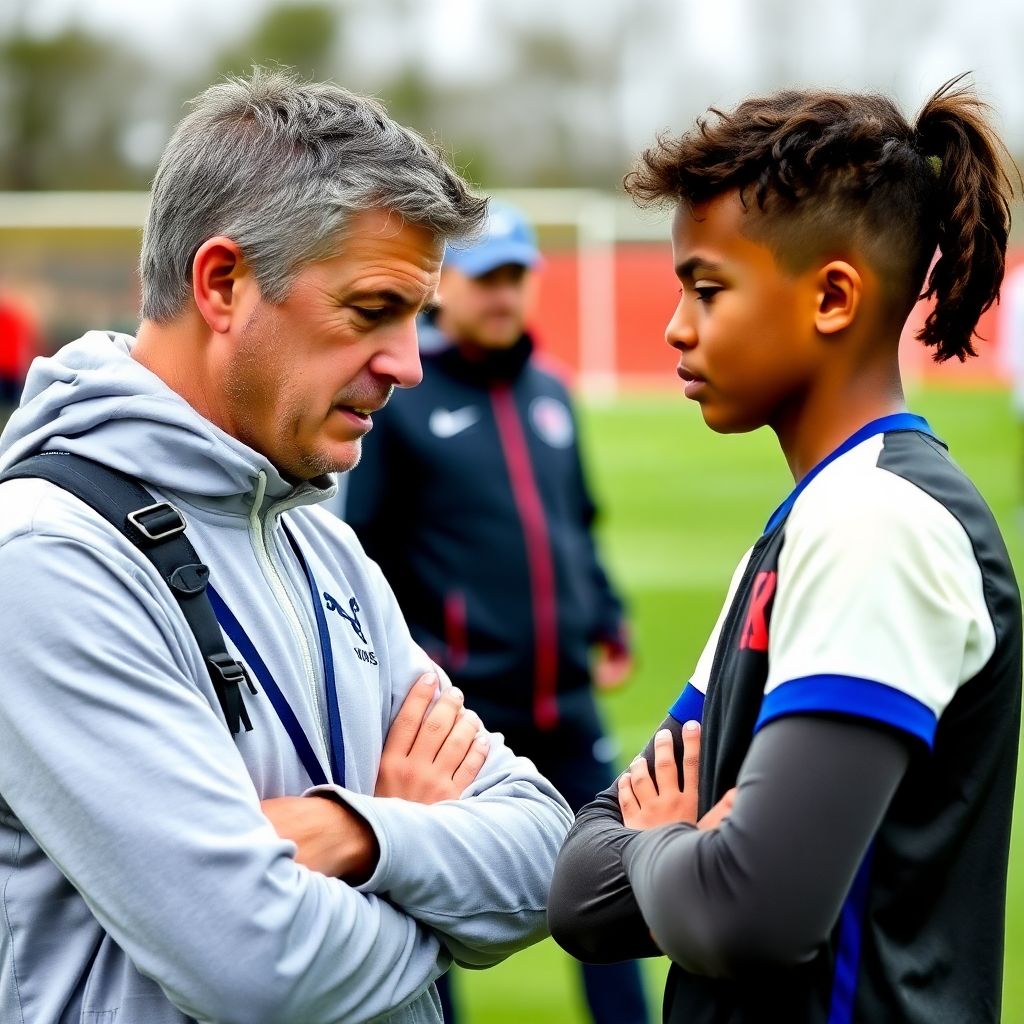
To detect a footballer’s long-term potential beyond physical attributes, observe how they think, learn, decide and interact across different contexts and age categories. Combine structured match and training observations, simple video and data reviews, and regular conversations to track cognitive, technical, tactical, psychological and social indicators over time, not in a single trial.
Core indicators for projecting long-term player potential
- Consistency of good decisions under pressure, fatigue and different match scenarios.
- Speed of learning: how quickly the player integrates new techniques or tactical roles.
- Psychological resilience after errors, non-selection or role changes within the team.
- Tactical understanding, off-ball behaviours and positional flexibility across systems.
- Quality of communication, leadership signals and contribution to team cohesion.
- Adaptation to new environments, coaches and competition levels without losing identity.
- Evidence that weaknesses improve over 3-6 month cycles, not just one-off performances.
Evaluating cognitive skills and split-second decision making
Detecting potential beyond physical traits starts with how a player processes information. This is essential when you wonder cómo evaluar el potencial de un futbolista joven in realistic match situations, not just closed drills.
Use this approach when:
- You are comparing players with similar physical levels but different game impact.
- The player is close to a transition: new category, academy intake, or loan decision.
- You scout in Spanish grassroots or academies where tactical training varies by club.
Avoid over-weighting this approach when:
- The player has extremely limited game exposure (very few minutes); decisions may be random.
- You only see them in highlight videos with edited actions, not full matches.
- They are returning from long injury and still re-adapting to tempo and confidence.
Practical observation checkpoints:
- Scanning and information intake
- Count how often the player scans surroundings before receiving (head turns, quick glances).
- Note whether scanning changes under pressure, near their own box or in transitions.
- Choice under time pressure
- Observe 10-15 ball possessions: does the player choose safe, risky or balanced options?
- Evaluate whether options match the game state (winning, losing, last minutes).
- Anticipation and reading of play
- Watch runs before passes: does the player move early into spaces, or react late?
- Defensively, check if they arrive on time to close lines or always chase the ball.
- Adaptation after patterns are blocked
- When rivals cancel their favourite move, do they find new solutions or repeat mistakes?
- Track adjustments across halves or matches, not just one sequence.
Risk and bias caveat: high-IQ-looking play can hide lack of intensity, while very intense players may look «chaotic» but improve quickly. Re-check your impressions with video and staff opinions before labelling a player as low or high in cognitive potential.
Measuring technical learning velocity and skill adaptability
Technical potential is less about current polish and more about learning speed. This is where structured métodos de scouting para detectar talento futbolístico beat informal comments like «good touch» or «bad technique».
What you will need:
- Access to at least 3-5 full training sessions over a month, not only matches.
- Simple video capture (club cameras, tablet or phone) to compare «before/after» on specific skills.
- Basic notation sheet to log errors, successful actions and context (pressure, space, fatigue).
- Collaboration with coaching staff to understand what has been trained and for how long.
- Optional analytical tools: a basic software de análisis de jugadores de fútbol or spreadsheets help track tendencies safely.
Key indicators to measure learning velocity:
- Improvement curve in specific skills
- Choose 1-2 technical focuses per cycle (e.g., weak-foot passing, receiving under pressure).
- Record baseline, mid-cycle and end of cycle; look for clear reduction in avoidable errors.
- Transfer from unopposed to opposed drills
- Check if clean technique in rondos or patterns appears under pressure in small-sided games.
- Note time delay: some need more repetitions before transfer; that still shows learning.
- Adaptability across surfaces and conditions
- In Spain, players change between artificial and natural grass; track performance on both.
- Wind, rain and poor pitches expose true ball control and body adjustments.
- Weak-foot and weak-skill engagement
- Count how often the player voluntarily uses their weaker foot or body profile.
- Players who test their weaknesses, even with mistakes, tend to grow faster.
Risk and bias caveat: late-maturing players can look technically clumsy when they are growing fast physically; avoid definitive labels in growth spurts. Also, training quality in their club heavily shapes technique, so assess potential relative to coaching context.
Assessing psychological resilience, motivation and mindset
Psychological factors decide who converts youth talent into senior careers. Observing them requires structured, safe and non-invasive methods that respect player wellbeing.
Before any step, be aware of these risks and limitations:
- You are not a clinical psychologist; avoid diagnosing disorders or using medical labels.
- Private life stressors (family, school) can temporarily affect behaviour; do not over-react.
- Different cultures in Spain (club, region, family) change how emotions are shown.
- Written notes about players’ mentality must be stored securely and shared only with need-to-know staff.
- Observe reactions to errors and criticism
During training and matches, focus on the 1-2 minutes after a clear mistake or correction.
- Signs of resilience: quick refocus, asking for the ball again, eye contact with teammates.
- Warning signs: disappearing from the game, blaming others, arguing excessively with referees.
- Track persistence in non-glamorous tasks
Note whether the player maintains effort in pressing, tracking back and covering teammates, especially late in sessions.
- Ask coaches how they behave in fitness work or position-specific conditioning.
- High potential profiles show stable work-rate regardless of drill «popularity».
- Use simple, informal conversations
Have short, natural chats before or after training about goals, school and role in the team.
- Listen more than you talk; avoid manipulative questions or promises.
- Look for ownership: players who say «I want to improve X» instead of only «the coach doesn’t play me».
- Check consistency across environments
Compare behaviour at club, school tournaments and possible regional team call-ups.
- Ask different adults (coaches, teachers) for safe and brief feedback on attitude and commitment.
- Strong potential usually appears as relatively consistent responsibility across settings.
- Re-evaluate after setbacks
Monitor the player through events like non-selection, substitutions or role changes.
- Note if they react by training harder, seeking feedback and staying engaged with the group.
- Persistent avoidance, repeated absences or conflicts may reveal limits to psychological projection.
Bias caveat: extroverted players are often over-rated as «leaders», while quieter players can have strong inner drive. Judge by actions and long-term behaviour, not just by how loudly someone speaks.
Identifying tactical intelligence and positional flexibility

Tactical potential appears in how a player understands space, roles and collective intentions, not only in their position label. This matters especially if you work with herramientas para ojeadores de fútbol y captación de talento that include tactical tags and heat maps.
Use this checklist to verify your evaluation:
- The player understands basic principles in and out of possession (width, depth, compactness) and applies them without constant verbal guidance.
- Off-ball movements help teammates: clearing spaces, offering support or pinning defenders, even when they do not receive the ball.
- They adjust positioning according to ball location, not staying fixed in a «zone of comfort».
- When asked to change role (e.g., winger to full-back), they quickly grasp reference points and common situations.
- Defensive phase: they orient their body and runs to close passing lines, not just chase the ball.
- In transitions, they show automatic behaviours (press, recover shape, attack free space) that match team strategy.
- They are able to explain, in simple words, what the coach asks tactically before and after games.
- Video reviews reveal that they rarely repeat the same positioning mistake across several matches.
- They remain tactically disciplined under fatigue or emotional stress (after a bad call, goal conceded, extra time).
Risk and bias caveat: some academies train very rigid systems, so «tactical discipline» may reflect obedience more than intelligence. Project future potential by asking whether the player could adapt to different styles common in Spain and Europe.
Observing social fit: leadership, coachability and team impact
Social dynamics strongly influence opportunities, especially in Spanish academies where groups stay together for years. Misreading them leads to over- or under-valuing players.
Frequent mistakes to avoid:
- Equating talkative behaviour with leadership while ignoring quiet players who lead by example.
- Confusing fear or shyness with «bad attitude», especially in players who recently changed club or country.
- Taking dressing-room jokes or local slang as disrespect without understanding team culture.
- Labeling a player as «difficult» after a single conflict instead of analysing patterns and triggers.
- Only asking the head coach for opinions and ignoring assistants, physios or teachers who see other sides of the player.
- Publicly commenting on a player’s perceived mentality in front of the group, which can stigmatise and damage long-term confidence.
- Rewarding players who constantly seek attention (celebrations, social media) while overlooking those who focus on training behaviours.
- Using social fit as a reason to discard talent instead of planning specific support or mentoring interventions.
- Ignoring how age and maturity stages affect behaviour, especially around adolescence and exam periods in Spain.
Bias caveat: your own personality influences whom you «like» in the group. Use multiple observers and concrete behaviours (punctuality, respect, helping teammates) as anchors.
Weighing contextual modifiers: environment, opportunity and biases
Even the best process has limits; context can amplify or hide potential. When classic observation is not enough or too biased, consider these alternative or complementary approaches:
- Structured video and data review cycles: complement live scouting with regular clips and simple metrics from a curso online análisis de rendimiento futbolistas. This is useful when travel is limited or when you need objective checks on your impressions.
- Cross-club or cross-category trials: invite the player to train temporarily with another team (higher or different style) within safe workload limits. This shows adaptation capacity but must respect competition rules and avoid over-exposure.
- Longitudinal tracking instead of one-off trials: maintain observation notes over full seasons to see trends, especially in late developers or players from less resourced environments.
- Collaborative panels: periodically gather staff (coaches, analysts, physical trainers, psychologist if available) to review each player’s profile and mitigate individual biases in decision making.
Context caveat: Spain’s regional inequalities in facilities and coaching mean that a talented player from a small club may look less polished than academy peers. When in doubt, project what they could be with better resources, not just what they are now.
Practical concerns, limitations and quick clarifications
Can I evaluate potential reliably from highlight videos only?
No. Highlights remove context, errors and off-ball behaviours. Use them only as a first filter, then request full matches and, if possible, at least one live observation before making strong conclusions about long-term potential.
How often should I re-evaluate a young player’s projection?
Revisit your reports several times per season and after key transitions (new coach, category, or role). Potential is dynamic; some players accelerate or stagnate quickly, so treat any rating as a temporary hypothesis, not a final verdict.
What low-risk tools can small clubs use without big budgets?
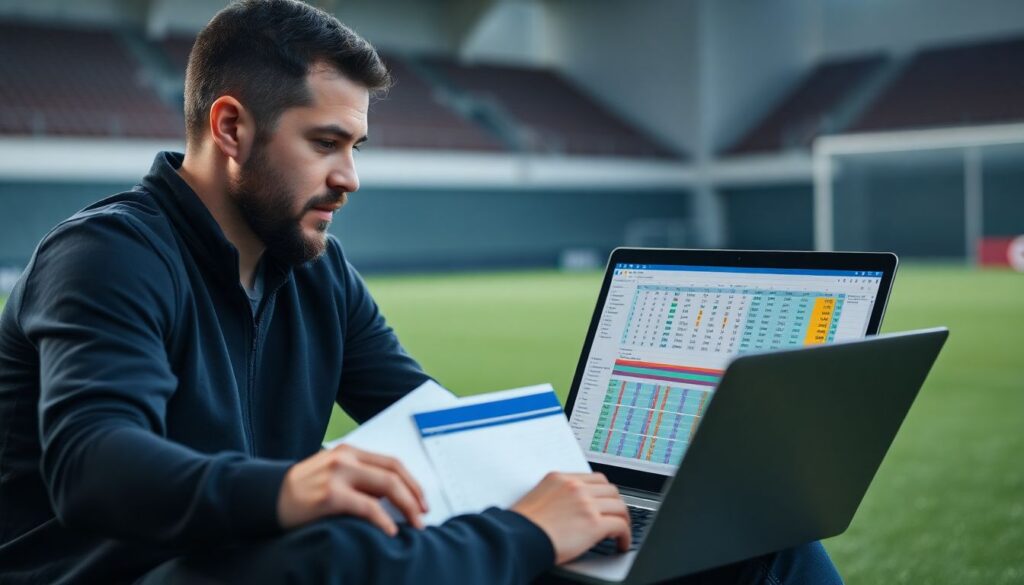
Simple video recording, spreadsheets and shared observation templates provide most of the value. Later, if resources grow, you can add more advanced software de análisis de jugadores de fútbol without changing your core evaluation principles.
How do I separate lack of effort from normal adolescent fluctuations?
Look for medium-term patterns across training weeks, not single sessions. Combine field observation with calm conversations about school, sleep and stress, and coordinate with family when appropriate, always respecting the player’s privacy and dignity.
Is it safe to discuss psychological impressions with the player?
Yes, if you focus on behaviours and football situations, not labels. Use concrete examples («after losing the ball, you recovered quickly») and avoid terms like «weak character». For deeper issues, refer to qualified professionals.
How can I make my scouting process more objective and ethical?
Use written criteria, cross-checks between staff and, where possible, standardised observation forms. Never base decisions on nationality, accent or social background. Evaluate what players control: behaviours, decisions and learning, rather than their personal circumstances.
Do physical attributes still matter when projecting potential?
Yes, but they should not dominate your view. Treat physical data as context for interpreting cognitive, technical and psychological indicators, especially in younger age groups where maturation gaps are large and late developers are common.