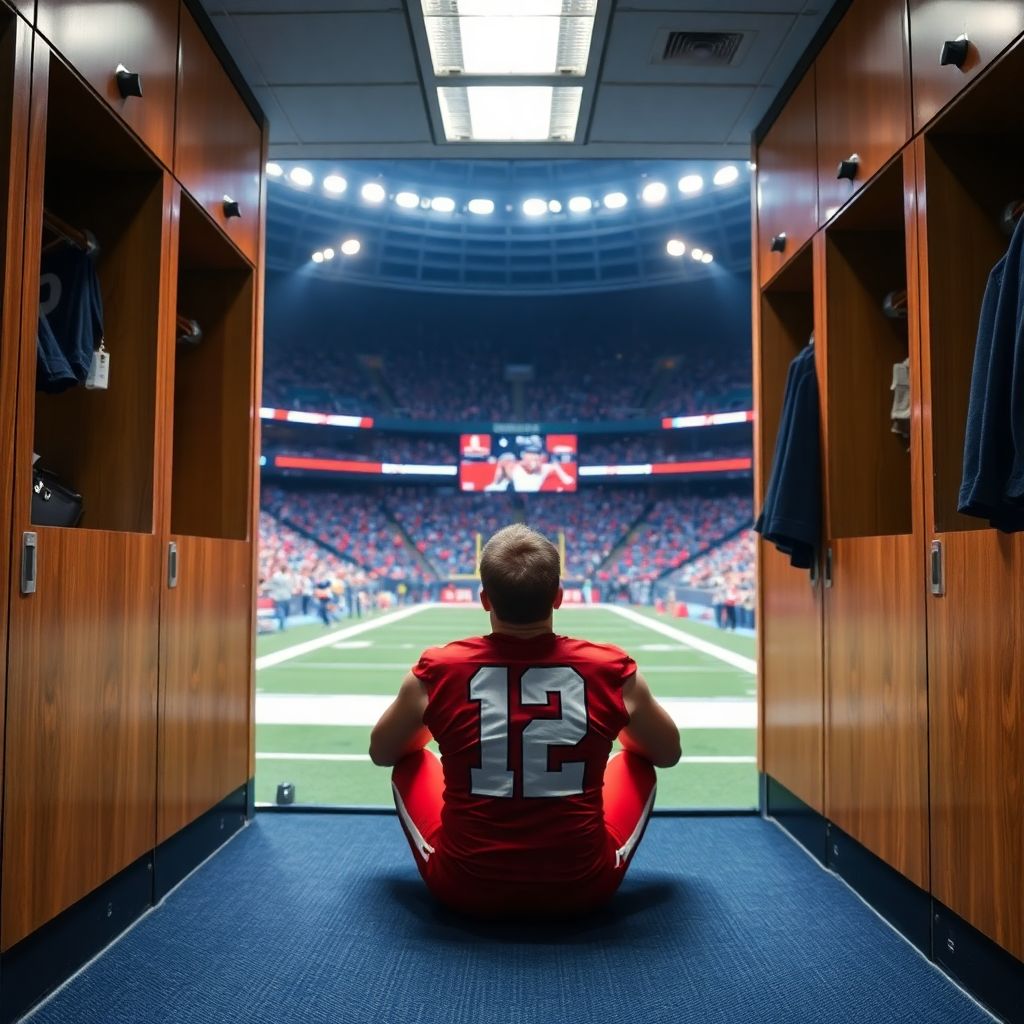
Mental preparation before a major sports event means training your mind like you train your body: define clear performance intentions, rehearse your routine, regulate emotions, and practice focus under pressure. This reduces avoidable mistakes, keeps you composed when the event gets chaotic, and helps you execute your existing physical abilities at their real level.
Core mental skills to build before match day
- Clarity of goals and performance intentions instead of vague hopes.
- Stable pre-competition routine that calms you and creates familiarity.
- Focused attention skills: knowing how to narrow and widen focus on demand.
- Helpful self-talk that is brief, neutral, and controllable under stress.
- Emotional regulation: recognising signs of anxiety and adjusting arousal.
- Fast, pre-rehearsed decision patterns that fit your sport and tactics.
- Recovery habits (sleep, nutrition, mental breaks) to arrive mentally fresh.
Pre-event mindset: setting clear performance intentions
This section fits athletes in intermediate to high-performance levels preparing for important matches, races or tournaments, including those following entrenamiento mental deportivo para competiciones importantes with a club or federation.
It is not a replacement for therapy or medical help. If you have panic attacks, severe sleep problems or persistent low mood, consult a professional before relying only on mental routines.
Use intentions that focus on controllable behaviours, not outcomes:
- Define up to three controllable performance intentions, for example: stay active on defence, commit to every first step, and reset after every point.
- Translate each intention into one short cue word or phrase you can repeat under pressure.
- Write them on paper or in your phone and read them twice daily in the last week before the event.
If you are working with a coach de preparación mental para deportistas de alto rendimiento, align these intentions with your broader season goals so match-day focus supports long-term development.
Structured routines: designing a pre-competition ritual
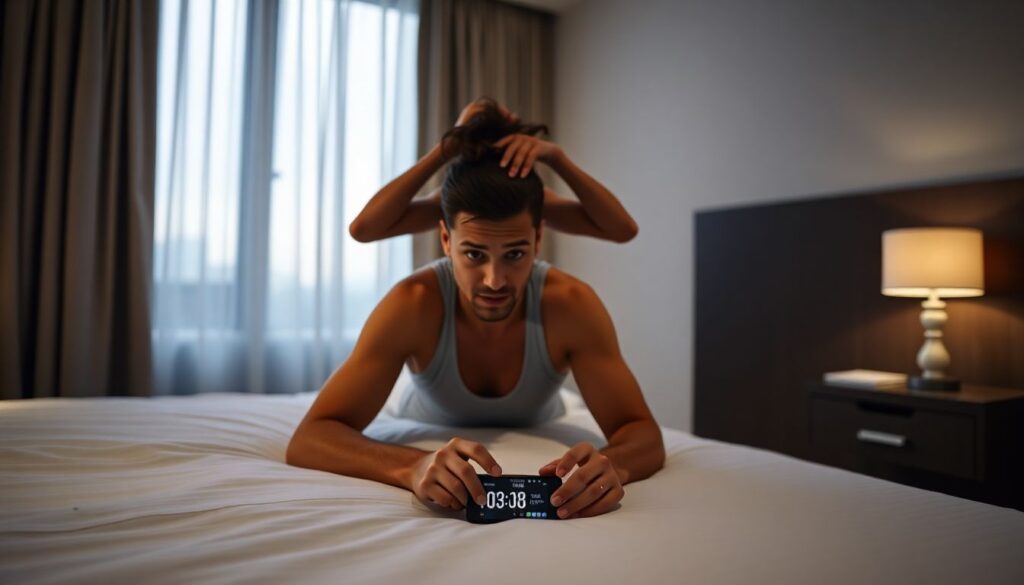
A structured routine reduces uncertainty and saves mental energy. It should be simple enough to follow even when you are nervous, and flexible enough to adapt to travel, delays or schedule changes typical of grandes eventos.
What you will need:
- A clock or smartphone to time warm-up and mental blocks.
- Music or noise-cancelling headphones if sound helps you focus.
- A written checklist of your physical warm-up, mental steps and equipment.
- A quiet spot in the venue (corridor, corner of locker room, warm-up area).
- Agreement with your coach or staff on when you want to be left alone.
Basic structure you can adapt:
- Arrival and logistics (check-in, equipment, uniform).
- General warm-up (body temperature, mobility, basic movements).
- Specific warm-up (sport-specific skills, tactics, timing).
- Short mental block (breathing, visualization, self-talk review).
- Transition into competition mode (final cue, walk to field or court).
A lot of programas de psicología deportiva para grandes eventos insert mental blocks inside warm-up instead of as a separate long session. This keeps routines realistic in busy competition schedules.
Cognitive strategies: visualization, self-talk and focus drills
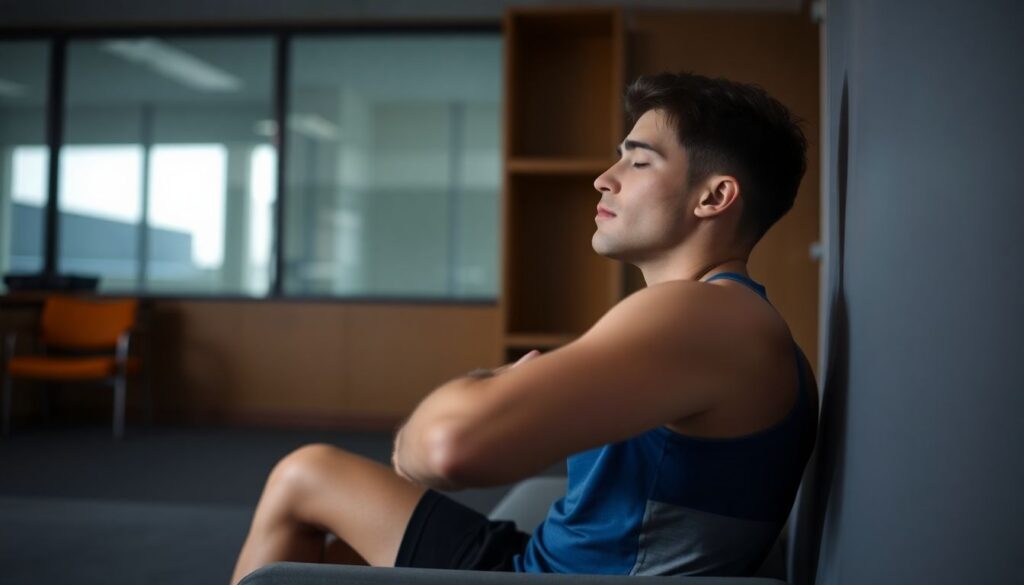
This section gives a step-by-step routine you can safely use before training and competition. It is compatible with any curso online de preparación mental para deportistas, and you can adjust the duration (5-15 minutes) depending on available time.
-
Set up a quiet, safe space
Sit or stand in a comfortable, stable position with your phone on silent. Close your eyes if it feels safe; otherwise, soften your gaze on a point in front of you.
- Duration: 30-60 seconds.
- Goal: shift from external noise to internal focus.
-
Regulate breathing to stabilise arousal
Breathe in through the nose for about four seconds, hold softly for one second, then breathe out through the mouth for about six seconds. Repeat for eight to ten cycles.
- Keep shoulders relaxed and jaw unclenched.
- If you feel dizzy, breathe more normally and shorten the exhale.
-
Run a short performance visualization
Imagine yourself in the actual venue: sounds, colours, movement. Then, mentally rehearse two to three key moments where you execute your intentions under pressure.
- Include small realistic imperfections (noise, small mistakes) and see yourself recovering quickly.
- Use first-person perspective, as if looking through your own eyes.
-
Install brief, neutral self-talk scripts
Choose three to five sentences you can repeat quickly. Keep them factual and action-focused, for example: steady breath, next play, strong first step.
- Repeat each line three to five times silently while breathing calmly.
- Avoid long, emotional phrases that are hard to recall under stress.
-
Practice focus switching
Train cómo mejorar la concentración antes de una competición deportiva by switching attention on purpose. For 30 seconds, focus only on your breath; then, for 30 seconds, focus on sounds around you; then, return to one internal cue (for example, your feet on the ground).
- Repeat the cycle two to three times.
- This helps you move from distractions back to task focus during the event.
-
Lock in with a pre-competition cue
End the routine with a consistent cue: a word, gesture or short movement. Use the same cue as you stand up and walk to warm-up or to the start line.
- Example: tap your chest once and think: ready.
- Over time, this cue will be associated with a focused, steady state.
Fast-track routine for busy athletes
If you have only three to five minutes before a session or race, use this fast-track sequence:
- Take five slow breaths with longer exhales while relaxing shoulders.
- Mentally replay one successful action you want to repeat today.
- Repeat your top two cue words three times each.
- Look at a fixed point, feel your feet on the floor, and use your pre-competition cue.
Emotional control: managing arousal, anxiety and pressure
Use this checklist to monitor whether your emotional control strategies are working safely and effectively as the event approaches:
- You can notice early signs of tension (tight jaw, shallow breathing, racing thoughts) before they become overwhelming.
- Your breathing exercises or short breaks reduce nervousness within a few minutes without making you feel sleepy or detached.
- You experience normal pre-event nerves but can still follow your routine and communicate clearly with coaches and teammates.
- You do not rely on unsafe methods such as excess caffeine, energy drinks or unprescribed substances to manage energy and mood.
- Your thoughts shift from what if I fail toward what actions can I control right now during training and matches.
- After mistakes in practice, you can reset within one or two plays or attempts instead of staying upset for long periods.
- You sleep reasonably the night before key sessions and competitions, even if it is not perfect.
- Your close people or staff notice that you handle pressure better than in previous events.
- If emotions feel too intense, you know whom to contact for professional help and are willing to use that support.
Decision readiness: rehearsing tactical choices under stress
Many mental mistakes in competition are not about emotions but about decisions made too fast, too slow or without a clear rule. Use this list of common errors to adjust your preparation:
- Only visualising perfect scenarios and never rehearsing how you will decide after mistakes, bad calls or unexpected tactics from rivals.
- Practising skills in training without adding time pressure, fatigue or noise that you will face in the real event.
- Relying on complex game plans with too many options instead of two to three simple decision rules for key situations.
- Never discussing what to do when you are mentally overloaded, for example, agreeing a safe default option with your coach.
- Ignoring your own decision style (aggressive, conservative) and copying teammates without checking if it suits your strengths.
- Skipping debriefs after friendlies or smaller events, so the same tactical mistakes repeat in grandes eventos.
- Using negative self-talk after a bad choice, which narrows attention and makes the next decision even harder.
- Not involving your coach de preparación mental para deportistas de alto rendimiento or technical coach when mental and tactical issues overlap.
Recovery and reset: sleep, nutrition and short-term mental recovery
Mental preparation also means not arriving exhausted. When full sleep, ideal nutrition and calm schedules are not possible, use realistic alternatives:
- Micro-naps and quiet breaks — Short, safe rest periods of 10-20 minutes in a quiet place with eyes closed. Useful during travel days or long tournaments when full naps are not possible.
- Brief breathing breaks between heats or matches — One to three minutes of slow breathing and light stretching to reset tension. Fits well into tight call-room schedules.
- Pre-packed simple snacks — Easy-to-digest foods and water prepared in advance when normal meal times are uncertain. Coordinate with nutrition staff if you have specific needs.
- Guided audios from trusted programas de psicología deportiva para grandes eventos — Short audios for relaxation or focus that you have tested before, not for the first time on competition day.
Common practical concerns about mental prep
How early should I start mental preparation for a major event?
Begin with basic routines at least several weeks in advance so they feel familiar. In the final week, reduce volume and focus on short, consistent exercises rather than learning new techniques.
How often should I practise these mental routines during normal training?
Integrate a short version at the start or end of three to five training sessions per week. Consistency is more important than length; even three focused minutes are useful if repeated.
Can I use these strategies without a sports psychologist?
Yes, the steps here are designed to be safe and practical for self-use. Still, working with a specialist or using a structured curso online de preparación mental para deportistas can help you personalise them.
What if I get more nervous when I pay attention to my thoughts?
Keep exercises short and concrete, focusing on breath and simple cues instead of analysing every thought. If anxiety increases or feels unmanageable, reduce mental work and seek professional guidance.
Should I change my routine on the day of the event?
Avoid big changes. Use almost the same structure you have practised in training, with only small adjustments for schedule or venue. New techniques are better introduced well before competition day.
How can I combine team instructions with my own mental routine?
Share your routine with your coach so they know when you need quiet time. Place your personal mental block just before or after the scheduled team talk, not during tactical briefings.
Are apps and online tools useful for mental training?
Apps and online tools can support focus, breathing and visualization if you test them in training first. Choose options aligned with reputable entrenamiento mental deportivo para competiciones importantes rather than random content.