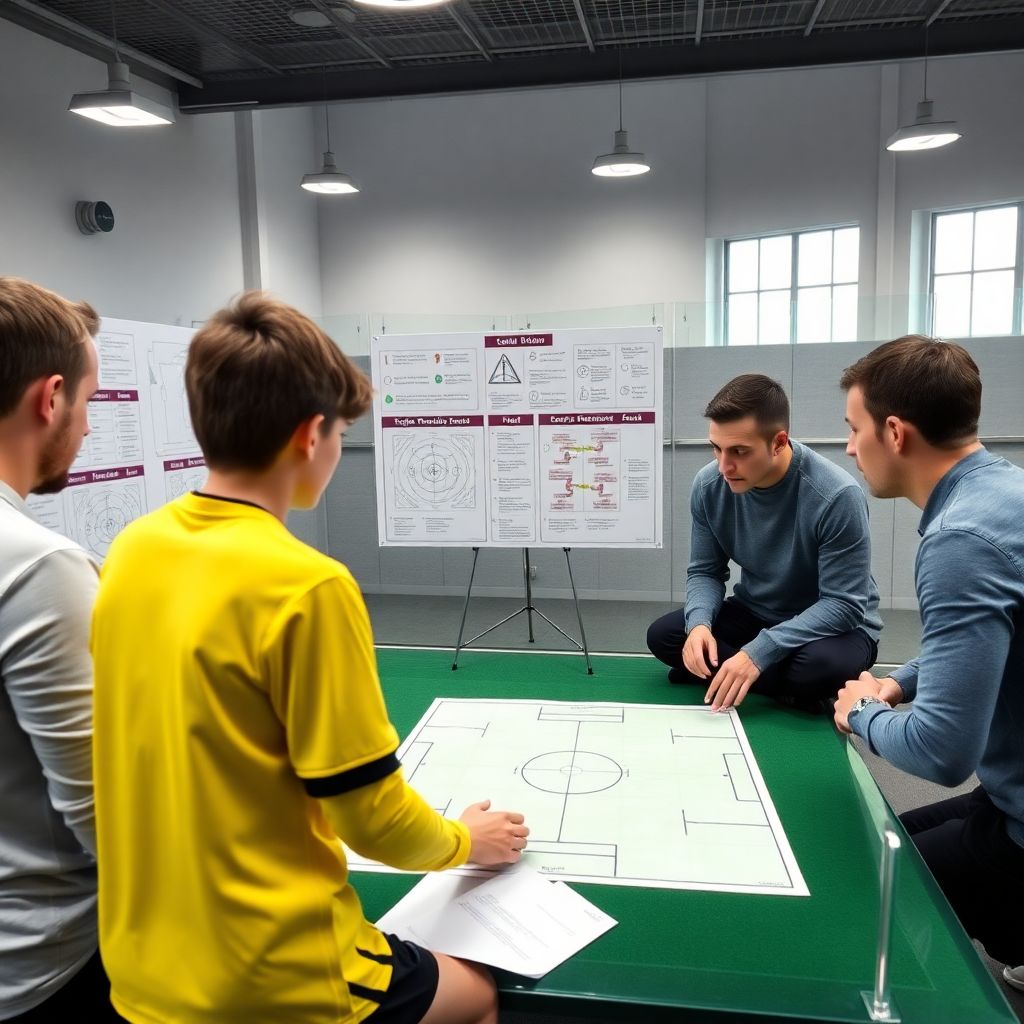
To support young players moving from youth to professional football, use objective readiness benchmarks, individual plans, safe load progression and clear communication between academy, first team and family. Combine tactical education with psychological support and basic career guidance. Keep decisions reversible, review progress monthly and protect long‑term health over short‑term results.
Core Guidelines for Supporting the Transition
- Use shared, written criteria for call-ups, minutes and role in the squad.
- Base decisions on multi-domain assessment: physical, technical, tactical and psychological.
- Create one clear Individual Development Plan (IDP) per player, updated every 8-12 weeks.
- Coordinate training load across academy, school, club and national team commitments.
- Provide simple, ongoing psychological and educational support, not only crisis help.
- Explain contract, agent and pathway options in age-appropriate, transparent language.
- Monitor well-being and performance with short, repeatable checklists and match clips.
Assessing Readiness: Physical, Technical and Mental Benchmarks
This approach is suitable for coaches, coordinators and staff working on formación de futbolistas jóvenes para el alto rendimiento in clubs or academias de fútbol profesional para jóvenes talentos. It fits especially when players are already training occasionally with older age groups or the B team.
Avoid accelerating transition when:
- The player has recurrent injuries or pain that is not fully diagnosed or managed.
- Recent performance in current age category is unstable or clearly declining.
- There is significant school or family stress (exams, moving house, family illness).
- The player expresses strong anxiety, loss of enjoyment or sleep problems.
- Existing programas de transición de fútbol base a profesional in your club are not yet coordinated (coaching messages, load, expectations).
Use simple, observable benchmarks instead of guessing:
- Physical: completes current category matches at high intensity; recovers well within 48 hours; no chronic pain.
- Technical: stable first touch under pressure; passes mostly forward; consistent decision-making in their main position.
- Tactical: understands team model in at least two game phases (e.g. build-up + pressing); communicates with teammates.
- Mental: accepts feedback; keeps effort after mistakes; basic self-organisation (hydration, sleep, warm-up routines).
Individualized Development Plans with Clear Short-Term Milestones
To run effective IDPs while you prepare players and respond to the question cómo preparar a un jugador juvenil para el fútbol profesional, you will need a small but disciplined toolkit.
- Shared player profile: one page with strengths, key improvements, preferred position and game model demands.
- Video access: simple software or shared folders with 3-6 clips per match focused on the player's role.
- Monitoring sheet: weekly record of minutes, RPE (perceived effort), sleep quality and any pain notes.
- Meeting structure: 15-20 minute IDP meetings every 4-6 weeks with player, coach and, when possible, a representative from asesoría deportiva para jóvenes futbolistas profesionales or academy coordination.
- Communication channel: agreed way to share updates between academy, first team and, where appropriate, parents (email, shared document).
Use one-line goal templates to keep plans concrete:
- "In the next 6 weeks, improve [action] in [game phase] measured by [simple indicator]."
- "In the next 4 weeks, maintain [physical quality] while increasing minutes at [new level]."
Examples:
- "In the next 6 weeks, improve pressing after loss in middle third, measured by at least three immediate pressures per half in match clips."
- "In the next 4 weeks, maintain sprint quality while moving from 45 to 60 minutes in B-team matches".
Load Management and Injury Prevention During Competitive Step-Up
When youth players start training or playing with professional squads, safe load management is non‑negotiable. The steps below help you design practical, low‑risk weekly structures as part of your programas de transición de fútbol base a profesional.
-
Map all sources of load
Before changing anything, list every regular physical demand on the player.
- Club training (academy + first/team B + individual sessions).
- Matches and tournaments (club + school + national team).
- School physical education, other sports and informal games.
- Travel time, sleep patterns and work/study hours.
-
Set a safe weekly load baseline
Use the last 4-6 stable weeks in the current category as the "100% baseline" for training and match minutes.
- Count number of training sessions and approximate intensity (low / medium / high).
- Count total match minutes and note position (some roles are more demanding).
- Record any pain, fatigue or illness episodes.
-
Increase load progressively when joining higher level
When the player starts training with the professional or B team, reduce something before you add something else.
- First 2 weeks: replace, do not add. Swap 1-2 academy sessions for higher-level sessions.
- Give priority to quality: higher-level tactical sessions over low-intensity academy work.
- Keep match minutes close to baseline, only slightly higher if the player feels fresh.
-
Use simple daily monitoring
Apply a very short check each day. This is often enough for academias de fútbol profesional para jóvenes talentos.
- Question 1 (0-10): "How recovered do you feel today?"
- Question 2 (yes/no): "Any pain that is more than discomfort?"
- Question 3 (0-10): "How stressed do you feel?"
If recovery or stress is 3 or less, or pain is "yes", adjust the day (less volume, more recovery).
-
Plan clear recovery strategies
Recovery must be part of the weekly plan, not an afterthought.
- Guarantee regular sleep schedule and simple nutrition guidelines (water, basic balanced meals).
- Schedule at least one low-load recovery day after high-intensity matches.
- Use basic mobility, stretching and relaxation routines instead of adding extra "fitness work" when tired.
-
Use red-flag rules for injury prevention
Create pre-agreed rules that automatically trigger load reduction or medical checks.
- Persistent pain lasting more than 3 training sessions.
- Sudden drop in performance or effort noticed by coaches.
- Sleep disruption or mood changes lasting longer than one week.
- Any suspected concussion: immediate removal and medical evaluation.
Fast-Track Load Management Protocol
- Replace, do not add: when moving to higher level, remove 1-2 lower‑level sessions first.
- Check daily: "recovery 0-10" and "pain yes/no"; if low recovery or pain, reduce volume.
- Respect one clear recovery day after the main weekly match.
- Act fast on any pain lasting more than three sessions: reduce load and seek medical review.
Tactical Education: Integrating Young Players into Senior Systems
Use this checklist to verify whether tactical integration into the senior squad is progressing well and in line with cómo preparar a un jugador juvenil para el fútbol profesional.
- The player can explain their role in each phase (with the ball, without the ball, transitions) in one or two sentences.
- In match clips, at least three examples per game show correct positioning in the team structure.
- The player anticipates pressing and build-up triggers, not just reacts after teammates move.
- Communication with older teammates is visible (verbal cues, hand signals, eye contact).
- The player adapts to small tactical adjustments at half-time without visible confusion.
- Coaches in both academy and senior staff use the same basic vocabulary and principles.
- Training tasks for the player include repeated scenarios of their 3-4 most frequent game situations.
- After matches, the player can identify one good tactical choice and one that needs improvement.
- There is a clear plan for minutes in "easier" tactical contexts (friendly games, B-team) before high-stress debuts.
Psychological Support: Managing Identity, Pressure and Expectations
Common mistakes in psychological support during transición de fútbol base a profesional are often subtle but harmful. Avoid the following.
- Calling the player "professional" too early and tying their whole identity to football alone.
- Talking only about contracts, status and social media instead of daily behaviours and habits.
- Ignoring school or vocational education because "football will solve everything".
- Comparing the player constantly with older stars instead of their own previous self.
- Giving mixed messages: one coach says "enjoy and learn", another says "you cannot make mistakes".
- Excluding parents or guardians completely instead of guiding them to be supportive but less controlling.
- Using punishment for normal emotional reactions (nervousness, some fear) instead of normalising and training coping skills.
- Avoiding conversations about possible failure, injuries or non-selection, leaving the player unprepared.
- Overloading them with many specialists (psychologist, nutritionist, private trainer) without coordination or clear purpose.
Career Navigation: Contracts, Agents and Structured Progression Paths

Career navigation must be realistic and multi-path. Good asesoría deportiva para jóvenes futbolistas profesionales will show that there are several safe alternatives, not only "first team or failure".
-
Gradual internal pathway
U17/U19 → B team → training with first team → first-team minutes. Best when the club has stable coaches, clear style and existing trust with the family.
-
Loan spells in lower divisions
Useful when first-team level is too high for regular minutes. The player experiences adult football with less pressure, then returns better prepared.
-
Move to another academy or club
Sometimes staying blocks opportunities. A move can be positive if it includes a clear plan for minutes, support and education, especially within academias de fútbol profesional para jóvenes talentos of similar philosophy.
-
Dual-career focus
Combining semi-professional football with studies or work protects the player's future when a full professional contract is uncertain.
Only choose agents, contracts and pathways that support long-term development, not just the quickest apparent success in formación de futbolistas jóvenes para el alto rendimiento.
Practical Concise Answers to Common Transition Challenges
How many training sessions per week should a youth player have when starting to train with a professional squad?
Avoid changing the total number abruptly. For the first weeks, replace academy sessions with professional ones so the total stays similar. Adjust based on how the player recovers and whether they report pain or excessive fatigue.
What is the safest way to give a young player their first professional minutes?
Introduce them in roles and game scenarios that match their strengths, with clear instructions and support from experienced teammates nearby. Use games of moderate difficulty, not the most extreme matches of the season.
How can I involve the family without creating extra pressure on the player?
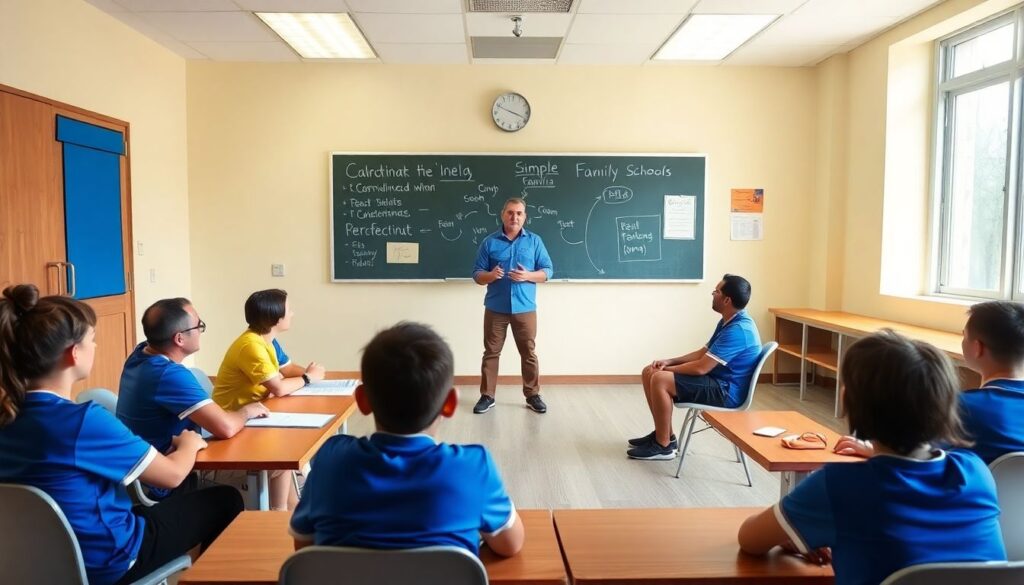
Share a simple written plan, explain roles and ask families to focus on routines (sleep, nutrition, transport) instead of talking about selection or contracts. Offer periodic updates so they do not seek information only from the player.
What if the player does not perform well in their first matches at higher level?
Treat first performances as learning experiences, not final exams. Use video to show 2-3 positive actions and 1-2 clear improvement points, and keep them playing at a level where they can succeed while training up with the higher squad.
How do we balance school commitments with increased football demands?
Plan the season with school calendars in mind and protect key exam periods by reducing non-essential football activities. Coordinate with teachers when possible and help the player develop basic time-management routines.
When is a loan move more appropriate than staying in the academy?

A loan makes sense when first-team opportunities are very limited, the player has outgrown youth competitions and the loan club can guarantee significant minutes and adequate support in a similar playing style.
What basic psychological tools should every transitioning player learn?
Simple breathing techniques, pre-match routines, self-talk phrases for mistakes and quick post-match reflection habits are usually enough to start. These skills help them stay stable under pressure and learn from each experience.