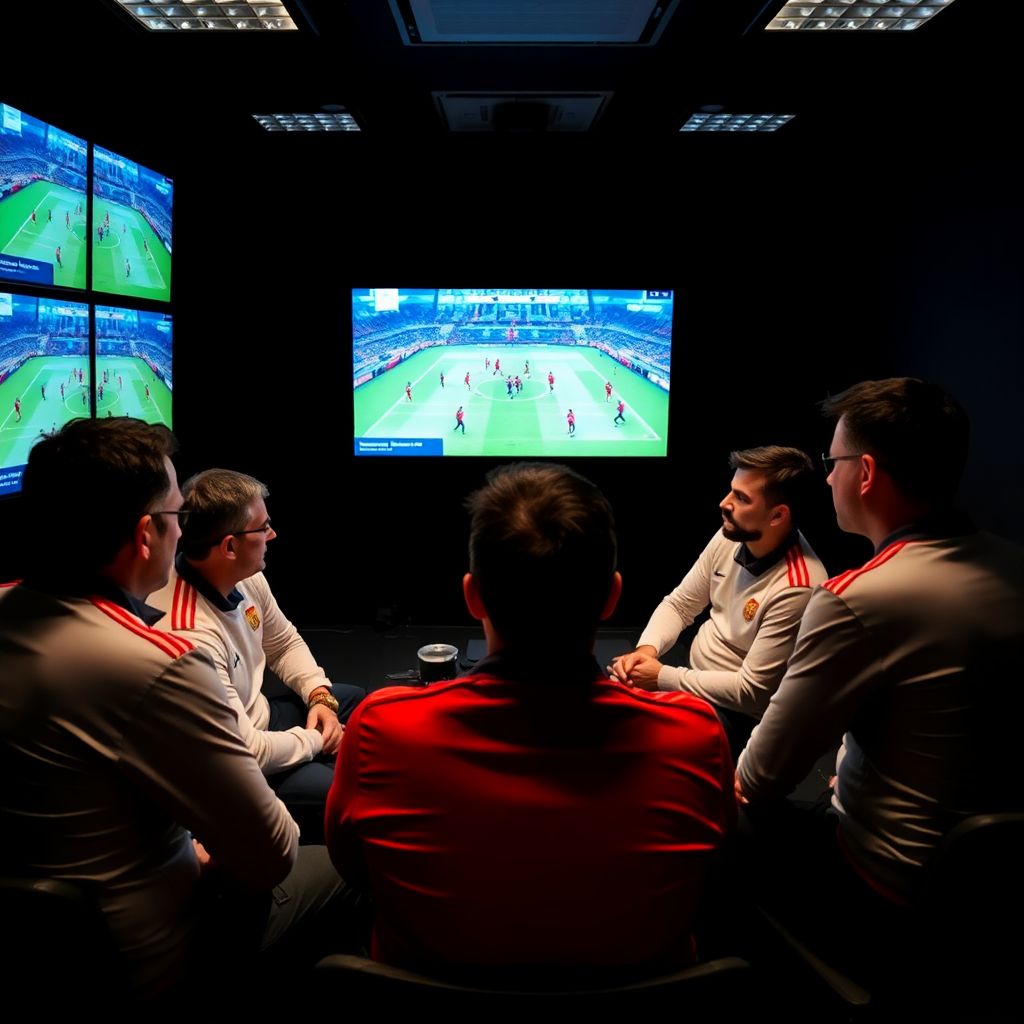
Post-match analysis drives tactical evolution by turning game events into clear training priorities, measurable KPIs, and simple messages players can execute. Using structured video review, basic data, and consistent benchmarks, coaches in Spain can correct systemic issues, reinforce strengths, and adapt game models safely without overwhelming squads or staff.
Post-Match Analysis: Essential Insights for Tactical Evolution
- Every post-match review must start from 2-3 explicit tactical questions, not from the full video.
- Simple, repeatable metrics reveal more than complex models you cannot maintain weekly.
- Video clips must be short, contextualised, and always linked to a training task.
- Players need few clear messages per line or unit; excess information reduces execution.
- KPIs only matter when compared over time and aligned with your game model.
- Risk-aware analysis respects physical load, morale, and the realities of your competition calendar.
Defining Objectives for Every Post-Match Review
Effective post-match analysis begins before pressing play. You define what you want to confirm, learn, or adjust. This keeps the review focused and avoids endless video sessions that confuse players and staff.
This process is ideal for:
- Coaching staffs with at least basic access to match video and simple tracking stats.
- Teams competing regularly (weekly league + cups) that need fast, repeatable routines.
- Clubs using software análisis táctico fútbol and willing to link data to training content.
- Academy setups seeking alignment between age groups and the first-team game model.
It is better not to run a full tactical post-match review when:
- The squad is emotionally unstable after a highly charged match and needs de-escalation first.
- You lack minimum-quality footage; poor video can produce wrong conclusions.
- You have no time to convert findings into concrete tasks for the next microcycle.
- Key staff (head coach, assistant, analyst) cannot attend and would miss core decisions.
Start each review by writing down, in one place, no more than three focal points, for example:
- Defensive compactness between lines after losing the ball.
- Progression down the left side against a mid-block.
- Set-piece defending on corners and deep free kicks.
Collecting and Prioritizing Metrics That Expose Tactical Patterns
To see real tactical patterns, you need data that match your questions, not generic dashboards. Before choosing metrics, list your main phases of play and key behaviours you want to track.
Typical requirements and tools include:
- Reliable match video
- Full-match recording from a stable, elevated camera angle.
- Optional: behind-goal angles for area-related work (pressing in box, set-pieces).
- Basic storage and tagging via herramientas de videoanálisis para equipos de fútbol.
- Event data and simple stats
- Pass maps, shot locations, high turnovers, progressive passes.
- Final-third entries and penalty-area touches.
- Pressing actions per zone and time period.
- Appropriate software stack
- One or two programas para análisis de partidos de fútbol that your staff genuinely know how to use.
- A clear workflow: import video → tag events → export clips → share with coaches.
- Selection of the mejor plataforma para análisis post-partido for your budget and competition level, not necessarily the most complex one.
- Access and roles
- Define who tags, who interprets, and who presents (analyst, assistant, head coach).
- Ensure remote access for staff when traveling or in congested fixture periods.
- Use servicios profesionales de análisis táctico de fútbol only when they integrate with your internal language and methodology.
Prioritise metrics by asking: «Does this number help me change a training task or a behaviour?» If not, park it and focus on those that directly influence tactical decisions.
Video Sequencing and Phase Analysis: How to Read the Game
Before the step-by-step sequence, consider these core risks and limitations of post-match tactical analysis:
- Overfitting to a single opponent: extreme adaptations can damage your long-term game model.
- Small-sample bias: one match rarely justifies radical structural changes.
- Psychological overload: too many clips or negative messages can reduce player confidence.
- Misreading physical factors: tactical conclusions can be distorted by fatigue or injuries.
- Tool dependency: relying only on software outputs may hide contextual information from the bench.
- Define the phases and sub-phases you will analyse
Start by breaking the game into clear phases that match your model: in-possession, out-of-possession, offensive transitions, defensive transitions, and set-pieces. For each, list two or three non-negotiable principles you want to verify in the match. - Create a tagging structure in your video tool
In your chosen software análisis táctico fútbol, set up tags that map directly to those phases and principles. This avoids random clipping and keeps every tag connected to a specific coaching question.- Example tags: «Build-up vs high press», «Mid-block shifting», «Counter-press success», «Wide overloads».
- Include context tags: minute, scoreline, and key substitutions.
- Sequence key moments rather than isolated highlights
When using herramientas de videoanálisis para equipos de fútbol, focus on sequences of actions that show behaviour over several seconds, not only the final shot or mistake.- Start a clip 5-10 seconds before the main event and end after the immediate outcome.
- Group clips by theme: e.g., all pressed build-ups, all defensive transitions.
- Contrast game sequences with your intended behaviours
For each batch of clips, compare what actually happened with your pre-defined principles. Note where the structure was correct but execution failed, versus where the structure itself was wrong.- Mark examples as «model-aligned» or «model-deviation».
- Capture brief written notes for each sequence to guide later training design.
- Select a minimal set of clips to share with players
From the full library, pick only those clips that directly support the 2-3 key messages for the week. Make a separate, more detailed playlist for staff and keep the player version short and focused.- Balance positive and corrective examples to protect confidence.
- Limit each unit (defensive line, midfield, forwards) to a manageable viewing load.
Converting Analysis into Targeted Training Microcycles
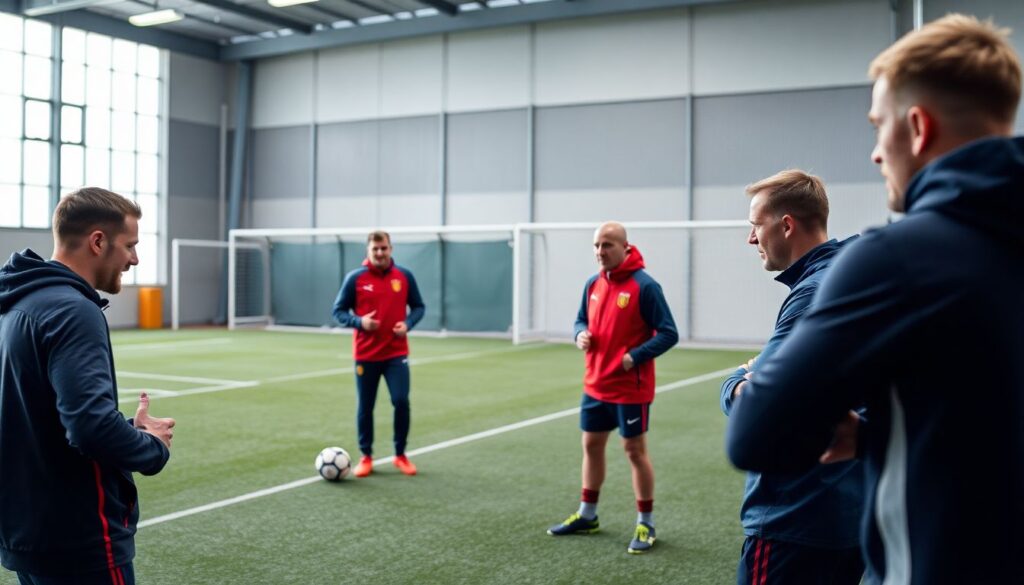
Use this checklist to ensure your post-match insights translate safely into concrete, effective work on the pitch:
- Each training day of the microcycle has at least one task explicitly linked to a post-match finding.
- New tactical concepts are introduced on lower-load days, not on the heaviest physical session.
- Drill design respects the number of repetitions players can handle without mental or physical overload.
- Exercises reproduce the same spaces, numbers, and pressures seen in the analysed clips.
- Game principles are expressed as simple, repeatable rules («If X, then Y») players can recall during matches.
- Session objectives are measurable (e.g., limiting free opponent passes between lines in small-sided games).
- Microcycle content is prioritised: no more than three tactical themes are active in a given week.
- Staff review the match again briefly after planning to confirm that tasks match real problems.
- All adjustments are communicated to medical and fitness staff to avoid overload conflicts.
- At the end of the week, coaches check whether the same issue still appears in internal game simulations.
Delivering Clear Tactical Instructions to Players and Coaching Staff
Many strong analyses fail at the communication stage. Avoid these frequent errors when you translate findings into messages for your group:
- Presenting long video sessions without a clear storyline or learning objective.
- Focusing only on errors, which can create fear-based decision-making and reduce initiative.
- Using complex jargon from programas para análisis de partidos de fútbol that players do not understand.
- Contradicting in-match instructions: what you say in the meeting must align with touchline messages.
- Delivering the same depth of tactical detail to all players, regardless of role or experience.
- Skipping individual follow-up with players directly involved in key tactical incidents.
- Ignoring cultural and language differences inside the squad that may affect understanding.
- Overloading assistants with raw data instead of clear guidelines on what to coach in each drill.
- Changing the main narrative every week, making it hard for players to see long-term tactical evolution.
- Publicly blaming individuals using clips; this damages trust and limits honest tactical discussions.
Assessing Changes: KPIs, Benchmarks and Iterative Adjustments
Once you implement tactical changes, you need safe, realistic ways to assess whether they work. Different contexts call for different evaluation approaches:
- Internal benchmarking across your own matches
Compare KPIs (e.g., controlled entries, high regains) across several games against similar opponents. This suits clubs without extensive league-wide data and reduces the risk of false comparisons. - External benchmarking within your competition
When you have league-level data, compare your tactical indicators with median values of similar teams. This is useful for professional setups but requires careful interpretation to respect your unique game model. - Scenario-based evaluation in training
Recreate specific match scenarios in controlled drills and measure behaviours there. Ideal when fixture congestion or opponent variability makes match-to-match KPI comparison noisy or inconclusive. - Periodic expert or third-party reviews
Use servicios profesionales de análisis táctico de fútbol a few times per season to audit your internal conclusions. This is valuable when staff are very close to the group and may carry confirmation biases.
Whichever option you choose, keep adjustments iterative: make small, trackable changes and allow enough matches to judge their real effect before moving on.
Practical Answers to Common Tactical-Analysis Challenges
How long should a post-match video session last for semi-professional teams?
Keep collective sessions between 15 and 30 minutes, focusing on one or two core themes. Use shorter, role-specific meetings for lines or units if deeper detail is required.
What if I do not have advanced programas para análisis de partidos de fútbol?
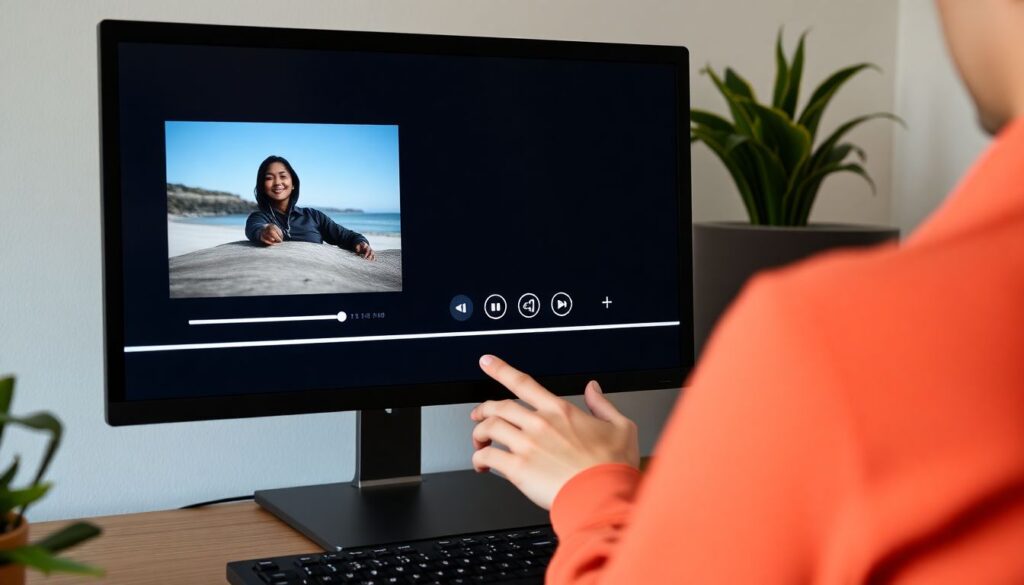
Use basic video tools that allow pausing, rewinding, and simple tagging. The clarity of your questions and structure matters more than advanced graphics or complex data outputs.
How many KPIs do I need to track tactical evolution?
Focus on a small set, typically three to six indicators directly linked to your game model principles. Too many KPIs dilute attention and make it hard to see clear trends over time.
When is it better to skip a full post-match tactical meeting with players?
Skip or shorten it after extremely emotional defeats, intense travel, or when physical recovery is the priority. In those cases, limit yourself to a few key clips and private conversations.
How can I avoid players feeling personally attacked during video reviews?
Highlight team structures first, mix positive and corrective examples, and describe actions, not personalities. Use individual meetings for sensitive issues rather than exposing players in front of the full group.
Should youth teams follow the same depth of post-match analysis as first teams?
They can follow the same structure but with fewer concepts and much shorter sessions. Prioritise clear principles and enjoyment of learning over complex tactical detail.
How often should we change our tactical benchmarks or KPIs?
Review benchmarks a few times per season, not every week. Change them only when your game model evolves or when certain indicators clearly stop being useful for decision-making.