
A winning mentality comes from simple, repeatable daily habits outside the court: short morning routines, basic mental training, stable sleep, smart nutrition, and brief reflection loops. Combine these with small team rituals and, over weeks, your confidence, focus and emotional control translate directly into more consistent game-day performances.
Core Daily Principles That Translate to Game-Day Wins

- Protect sleep and morning focus before adding any extra training volume.
- Anchor at least one tiny habit per pillar: body, mind, emotions, team.
- Use time-blocks of 5-15 minutes; small doses done daily beat long «perfect» sessions.
- Track only a few metrics: sleep, energy, focus and emotional control under pressure.
- Adjust habits weekly based on honest reflection, not on mood after one bad game.
- Integrate rituals with teammates to reinforce your mentalidad ganadora en el deporte.
Morning Routines That Prime Competitive Focus
Morning routines are ideal for athletes who want more stable confidence and concentration without adding heavy physical workload. They fit students, semi‑pro and professional players in Spain who manage studies, work and training and need a clear mental reset every day.
You should avoid long or intense morning routines when you are injured, sleep‑deprived, sick or overloaded with training volume. In those cases, prioritise medical advice, recovery and sleep quantity over any extra activation work or entrenamiento mental para deportistas.
- One wake‑up time, seven days per week – Keep the same wake‑up time with a maximum variation of 30 minutes, including weekends. This stabilises your internal clock and makes focus drills easier.
- Metric: number of days per week you wake up within that 30‑minute window.
- 90 seconds of light and movement – Within 15 minutes of waking, open a window or go to a balcony and move gently: neck, shoulders, hips, ankles. No pain, no intensity, just activation.
- Metric: did you do at least 90 seconds of light + movement (yes/no each day).
- Three conscious breaths before grabbing your phone – Sit or stand, inhale slowly through the nose, exhale a bit longer through the mouth three times. Only then check messages.
- Metric: percentage of mornings you breathe before touching the phone.
- One‑sentence game‑day identity – Repeat one sentence that defines how you want to compete: «I play calm and aggressive,» «I respond, I don’t react.» Keep it for at least two weeks.
- Metric: number of consecutive days you repeat the same sentence aloud.
- Mini planning for the day – In 2 minutes, name your top three actions: one for sport, one for studies/work, one for recovery or family.
- Metric: days per week you define and later complete at least two of the three actions.
Nutrition and Recovery Habits to Sustain Performance
To support hábitos diarios de los deportistas de alto rendimiento, you do not need complex tools. You need clarity, simple access and basic tracking you can sustain even during trips and tournaments across Spain.
- Hydration basics – Keep a 0.5-1 L bottle you refill through the day. Drink regularly instead of only during training.
- Metric: times per day you empty and refill your bottle.
- Simple meal structure – For main meals, aim to include: 1 protein source, 1 complex carbohydrate, 1 fruit or vegetable and a small healthy fat source. Avoid radical changes before games; keep familiar foods.
- Snack planning – Always have one planned snack before and/or after practice: yoghurt, fruit, nuts, small sandwich, according to your nutritionist or doctor.
- Metric: number of training days you come with a planned snack vs. improvising.
- Digital sunset for better sleep – Set an alarm to stop intense screen use 30-60 minutes before sleeping. Use that time for stretching, light reading or visualisation.
- Metric: minutes without screens before sleep at least five nights per week.
- Recovery micro‑blocks – Between classes, work or training blocks, use 3-5 minutes for gentle mobility or walking instead of scrolling. This reduces stiffness and mental noise.
Short Mental Rehearsal and Visualization Practices
Brief, structured visualisation is a safe and powerful way to work on cómo desarrollar una mentalidad ganadora without physical load. Keep it short, consistent and always finish with a positive or at least neutral image of yourself managing pressure.
- Decide your daily window – Choose a 5-10 minute slot you can realistically keep: after lunch, during siesta time, before bed or in public transport with earphones.
- Metric: number of days per week you complete at least one visualisation session.
- Relax the body, not the mind – Sit or lie comfortably, close your eyes and take 5 slow breaths, relaxing jaw, shoulders and hands. You are not trying to «think of nothing»; you are preparing your attention.
- Replay one real situation – Choose a specific match situation from your sport: a free throw, penalty, counterattack, defensive rotation. See it from your own eyes, as it really happens in your league or category.
- Run the scene in three versions – First, replay how it usually goes now, including mistakes. Second, correct one detail (for example, earlier decision or calmer breathing). Third, see your best response: body language, breathing, decision and follow‑through.
- Metric: number of days you reach the third, «best response» version without rushing.
- Anchor one cue word – Choose one short word (for example: «calm», «attack», «simple») to link with the visualisation. Whisper it when you see yourself acting with confidence and control. Use the same word in games.
- Close the session deliberately – Finish with one deep breath and a stretch or a short walk. Do not jump directly to social media; give your brain 30-60 seconds to switch contexts.
Fast-Track Version of Visualization Practice
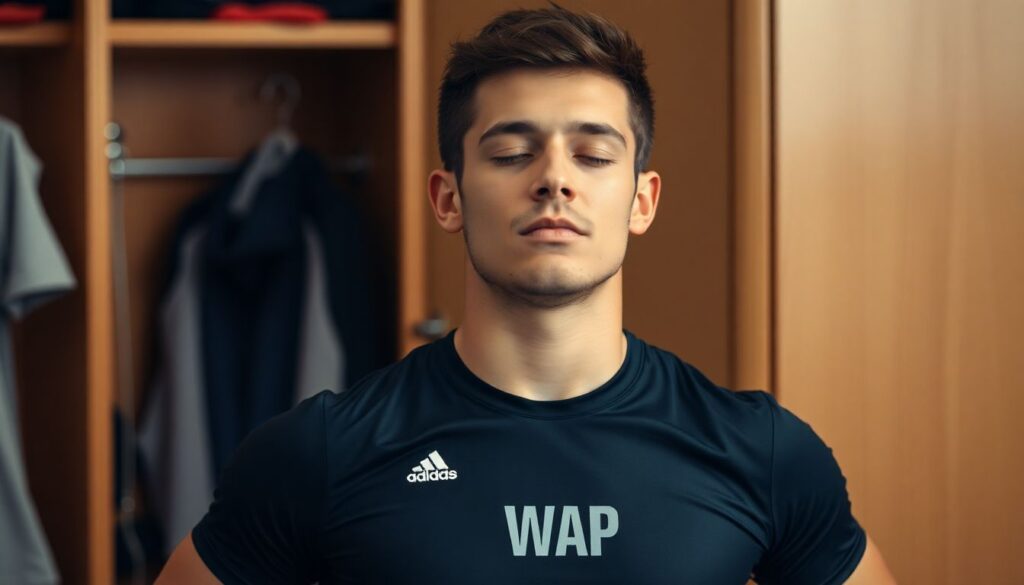
- Take 3 slow breaths to relax shoulders and jaw.
- Replay one difficult situation from your last match.
- Visualise your best response with strong body language and one cue word.
- Open your eyes, stand up and repeat the cue word once while moving.
Micro-Habits for Emotional Control Under Pressure
Emotional control is not about eliminating emotions but managing your response. These micro‑habits work well with coaching deportivo para mejorar el rendimiento mental and can be trained safely every day in practice, studies and daily life situations.
- You notice your heart rate and breathing when pressure appears instead of reacting automatically.
- You can name your emotion in a single word («nervous», «angry», «excited») during a pause.
- You use one short breathing pattern (for example, 4 seconds in, 4 out) at least once in a difficult drill.
- You have one simple reset ritual after mistakes (for example, exhale, touch shoes, clap once, look forward).
- You can recover basic focus within one or two plays after an error instead of several minutes.
- You speak to yourself in a neutral or task‑focused way («next action», «run back») more often than in insults.
- Teammates or coach notice that your body language drops for shorter periods than before.
- You finish practice with one sentence of learning instead of only frustration or self‑criticism.
- Metric: number of mistakes after which you apply your reset ritual at least 80% of the time in a week.
Consistency Systems: Tracking, Feedback and Small Adjustments
To make your entrenamiento mental para deportistas sustainable, you need light systems, not perfection. Use simple tools to see progress and adjust without obsession or self‑punishment.
- Tracking too many variables at once, then quitting after a few days because it feels overwhelming.
- Changing routines completely after one bad game instead of waiting for 2-3 weeks of data.
- Using tracking as self‑judgment («I am weak») instead of neutral information to guide adjustments.
- Ignoring feedback from coaches and teammates that does not match your self‑perception.
- Adding new habits when you are already sleep‑deprived or overloaded instead of replacing less useful ones.
- Comparing your logs to others’ social media instead of your own previous weeks and months.
- Skipping planned reflection when things go well, losing the chance to understand what worked.
- Metric: weeks in a row you track at least one habit per day and review it once every 7 days.
Off-Field Team Rituals That Build Trust and Cohesion
Shared rituals off the court turn individual habits into a group mentalidad ganadora en el deporte. They can be very simple and should always respect personal limits, health and privacy.
- Short team check‑ins before or after practice – One round where each player says a word about how they arrive or what they learned today. Useful when schedules are tight but you train together often.
- Metric: number of team sessions per week that include a 3-5 minute check‑in.
- Monthly non‑sport activity – A simple activity (team breakfast, walk, escape room, board games) without tactical talk. Best when the team feels tense or divided.
- Peer support pairs – Players are paired for one month to check on each other’s habits and mindset. Helpful in youth and amateur teams to practice leadership safely.
- Shared learning board – A physical or digital space where players add one short lesson per week. Ideal when you already have strong discipline but want more shared reflection.
Practical Answers for Applying Winning Habits Daily
How much time per day do I need to invest in these habits?
You can start with 10-20 minutes total, divided into small blocks: 5 minutes in the morning, 5 minutes of visualisation and a few micro‑moments for breathing or reflection. Increase only when you are consistent for at least two weeks.
Can I build a winning mindset if I am not a professional athlete?
Yes. These habits work for students, amateur and semi‑pro players. The level of competition changes, but the principles of attention, emotional control and consistency are the same for anyone who wants to improve performance.
What if my coach is not interested in mental training?
You can still work on your own: morning focus, breathing, visualisation and reflection do not require permission. Share your improvements through performance, and if possible, connect with external coaching deportivo para mejorar el rendimiento mental for extra support.
How long until I notice changes in my mindset during games?
Most athletes notice small shifts in confidence and focus after a few weeks of regular practice. Deep, stable changes in cómo desarrollar una mentalidad ganadora usually require months of repetition, especially under pressure and in real competition.
What if I skip several days of my routines?
Do not try to compensate with long sessions. Restart with the smallest version of each habit and re‑focus on your key metrics (sleep, hydration, one visualisation block, one reset ritual in practice) for one week before expanding again.
Are these habits safe for injured athletes?
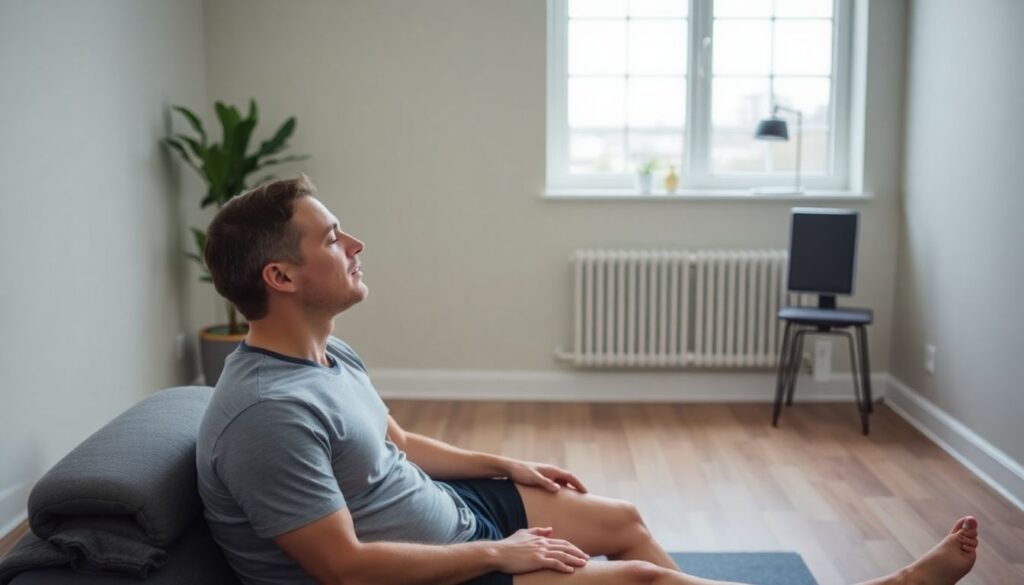
Mental routines, light breathing and visualisation are generally safe, but always follow medical advice and your physiotherapist’s guidelines. Use the injury period to strengthen your mental skills without compromising physical recovery.
How do I know which habit gives me the most impact?
For two or three weeks, change only one variable at a time and track basic outcomes like quality of sleep, focus rating in practice and emotional control after mistakes. The habit that correlates with clearer improvements is your current priority.