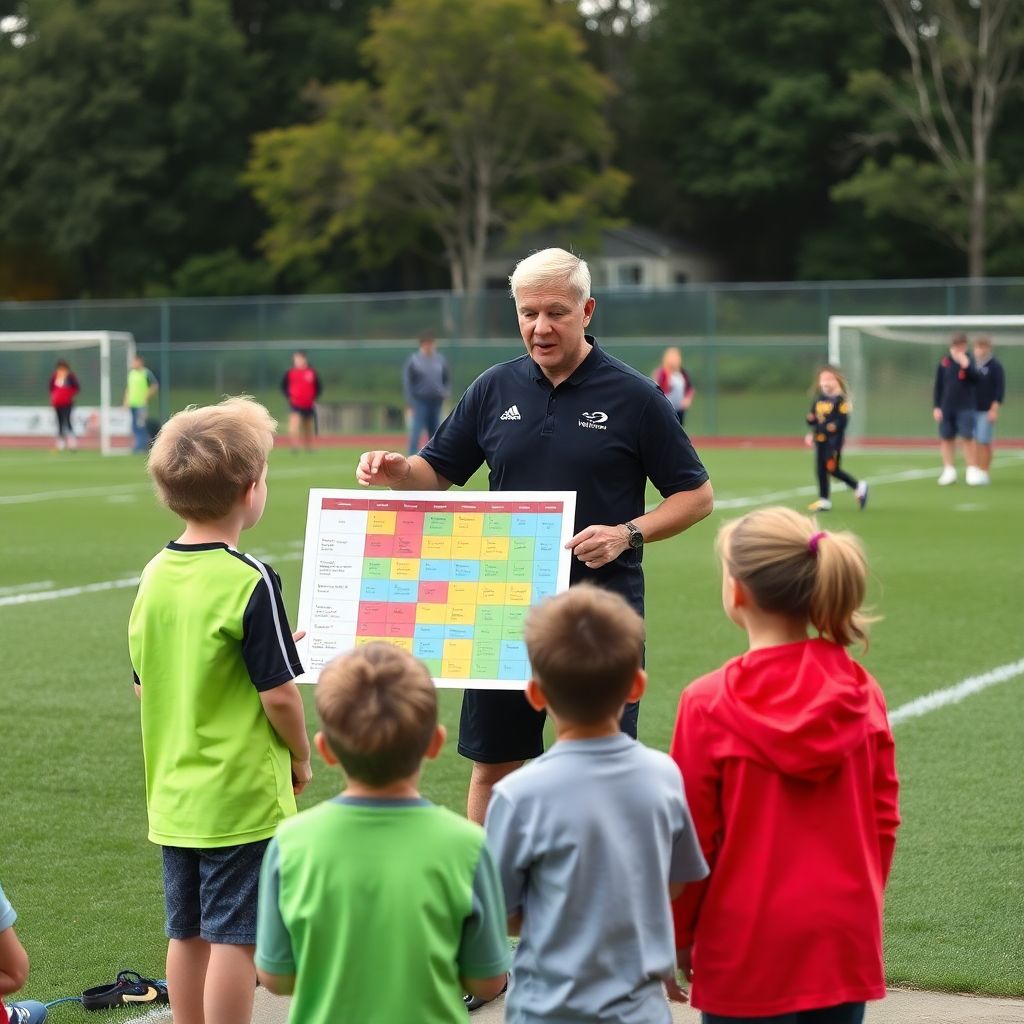
A safe, effective planificación temporada entrenamiento fútbol base combines clear objectives, simple periodization, age‑appropriate loads and basic monitoring. You split the year into phases, define a programa de entrenamiento físico y mental para futbolistas jóvenes, build weekly microcycles, integrate mindset work, protect recovery and adapt using observable feedback from players, parents and staff.
Core planning principles for a season
- Design one coherent plan de entrenamiento anual para fútbol formativo instead of isolated drills or random sessions.
- Use simple periodization with clear blocks: pre‑season, early season, mid‑season, late season and transition.
- Adjust volume and intensity by age group (U10-U12, U13-U15, U16-U18) and by school calendar in Spain.
- Combine entrenamiento psicológico y físico para jugadores de fútbol base in the same sessions, not as separate worlds.
- Apply safety rules: no pain tolerance culture, no forced participation, explicit communication with parents.
- Monitor players weekly (mood, sleep, soreness, school stress) and adapt the load instead of following the plan blindly.
- Document what worked and what failed to refine cómo preparar la pretemporada en fútbol base for next year.
Seasonal objectives: aligning physical and mental targets
This guide targets grassroots coaches in Spain (fútbol base) working with U10-U18 in clubs, schools or academies. It fits coaches who train at least twice per week and want a structured, but practical, season plan that integrates physical and mental work.
Do not apply this as written if players have medical conditions, recent injuries or psychological difficulties without clearance from a qualified health professional. For high‑performance academies with daily training, you need a more advanced, staff‑driven plan and professional support staff.
For a basic season plan, set combined physical and mental objectives for each phase:
- Pre‑season (4-6 weeks)
- Physical: build general endurance, basic strength, progressive speed work.
- Mental: motivation, team identity, simple goal‑setting habits.
- Early season
- Physical: stabilize match fitness, introduce higher intensity, but with short durations.
- Mental: routines before matches, dealing with nerves, learning from mistakes.
- Mid‑season
- Physical: maintain fitness, prevent overload, refine speed and change of direction.
- Mental: focus under pressure, concentration in key moments, resilience after setbacks.
- Late season
- Physical: arrive fresh to decisive matches, slight volume reduction, keep intensity.
- Mental: confidence, managing expectations, enjoyment over results.
- Transition (off‑season)
- Physical: active rest, varied activities, injury rehab and movement quality.
- Mental: disconnect from competition, reflect on the season, reset goals.
Periodization model: structuring micro, meso and macrocycles
For fútbol base in Spain, a practical plan de entrenamiento anual para fútbol formativo uses a simple periodization structure that you can manage as a part‑time coach.
Basic structure of the season
- Macrocycle (season): from start of pre‑season to last match, usually around the school year.
- Mesocycles (blocks): phases of 4-6 weeks with a clear focus (e.g., endurance + team cohesion).
- Microcycles (weeks): typical training week, built around the match day.
Simple tools and requirements
- Calendar: mark school holidays, exam periods, tournaments, key club events.
- Session log: notebook or digital tool to record objectives, drills, duration and perceived intensity.
- Basic monitoring sheet: simple 1-5 scale for fatigue, soreness and mood, checked once or twice per week.
- Communication channel: WhatsApp group or similar with parents (for U10-U15) and players (U16-U18).
- Medical information: updated list of relevant conditions and emergency contacts, with parental consent.
Sample macrocycle table (season overview)
| Phase (mesocycle) | Main objectives | Typical weekly volume | Typical intensity focus | Example key drills |
|---|---|---|---|---|
| Pre‑season (4-6 weeks) | General fitness, movement skills, team cohesion, basic mental routines | 2-4 sessions + 1 friendly match | Low to medium, progressive increases | Rondos, technical circuits, small‑sided games with work‑rest control |
| Early season (4-6 weeks) | Match fitness, basic speed, introduce tactical patterns, coping with nerves | 2-3 sessions + 1 match | Medium with short high‑intensity parts | Position games, finishing under pressure, simple sprint drills |
| Mid‑season (8-10 weeks) | Maintain fitness, prevent overload, refine team tactics, focus under pressure | 2-3 sessions + 1 match | Medium, adjust down in exam weeks | Game‑like scenarios, change‑of‑direction drills, set‑piece routines |
| Late season (4-6 weeks) | Peak freshness, maintain sharpness, confidence, enjoyment | 2 sessions + 1 match | High intensity, reduced volume | Short intense games, speed with ball, psychological confidence games |
| Transition (2-4 weeks) | Recovery, injury rehab, movement variety, mental reset | 0-2 light sessions, other sports | Low | Fun tournaments, mixed‑age games, multi‑sport activities |
Age‑group adjustments and safe load limits
- U10-U12
- Focus: fun, basic coordination, ball mastery; mental skills through games.
- Load: short sessions, plenty of breaks, avoid repeated maximal sprints or long running without the ball.
- U13-U15
- Focus: growth‑sensitive strength and speed, more structured tactics, emotional regulation.
- Load: watch growth spurts, reduce jumping and high‑impact work if pain or excessive fatigue appears.
- U16-U18
- Focus: higher intensity, position‑specific demands, more advanced mental routines (self‑talk, match analysis).
- Load: adjust for school exams, ensure at least one low‑load day between intense sessions when possible.
Designing weekly microcycles: session templates and load balance
Before the concrete steps, consider these safety‑first constraints for your weekly microcycles:
- Stop or reduce intensity if a player reports pain, dizziness, breathing difficulties or unusual fatigue.
- Never punish with running; conditioning should serve development, not discipline.
- Allow players to sit out or reduce participation if they feel unwell or emotionally overwhelmed.
- Inform parents about significant changes in training load or schedule, especially around exams.
- Respect rest: avoid extra unsupervised conditioning sessions for younger age groups.
- Define the weekly structure around match day.
Identify which day is match day and count backwards to design the microcycle. As a simple rule, avoid the hardest training (highest intensity) on the day before the match.
- Typical schedule with Saturday match: heavy session Tuesday, moderate Thursday, light Friday or rest.
- Adapt if you only train twice per week; combine elements but keep the last session lighter.
- Set a physical and mental focus for each session.
Assign one main physical target and one mental target per session to support your overall programa de entrenamiento físico y mental para futbolistas jóvenes.
- Examples of physical focus: endurance with ball, acceleration, change of direction, strength through games.
- Examples of mental focus: communication, concentration, managing frustration, confidence.
- Choose age‑appropriate content and duration.
Match the number and length of drills to the age group and weekly schedule, maintaining safe and progressive loads.
- U10-U12: more, shorter games with the ball; many drink breaks; no long monotonous runs.
- U13-U15: gradual introduction of structured intervals, but with technical‑tactical context.
- U16-U18: clearer blocks (warm‑up, main physical focus, tactical work, finishing), with short, intense games.
- Integrate mental training into football tasks.
Instead of isolated talks, embed entrenamiento psicológico y físico para jugadores de fútbol base inside exercises and game formats.
- Add simple pre‑task routines (breath, cue word, quick self‑check) to finishing or 1v1 drills.
- Use reflection questions after small‑sided games: what did you notice, what will you try next time?
- Control and vary intensity within the week.
Plan which drills are high, medium or low intensity and alternate them to avoid overload, especially during growth spurts.
- Use more small‑sided games and sprints earlier in the week, more technical‑tactical and set‑pieces closer to match day.
- Reduce volume in exam weeks or after tournaments without feeling guilty for «doing less».
- Close each session with a cool‑down and brief mental reset.
End with low‑intensity movement, simple stretching and a short debrief that reinforces one learning point.
- Ask players to share one success and one thing to improve, keeping tone constructive.
- For younger players, use quick games or stories to normalize mistakes and focus on effort.
Psychological skills training: integrating mindset work into practice
Use this checklist to confirm that psychological work is truly integrated into your season and not left to chance.
- Every mesocycle includes 1-2 clear mental objectives linked to the football content.
- At least one part of each session intentionally trains a mental skill (e.g., focus, communication, emotional regulation).
- You use simple, age‑appropriate language to explain concepts like confidence, nerves and mistakes.
- Players know at least one short pre‑match routine they can use independently.
- After matches, you dedicate a few minutes to reflection focused on learning, not blame.
- Parents receive basic guidance on how to support players mentally (e.g., match‑day comments, car‑ride habits).
- You normalize talking about feelings, stress and school pressure without judging or minimizing.
- You adjust demands for players going through tough personal or academic situations.
- You avoid shaming, public comparisons and sarcasm as supposed «motivational» tools.
- Across the season, players increasingly take ownership of their goals and effort, not just results.
Monitoring and adaptation: metrics, tools and decision rules
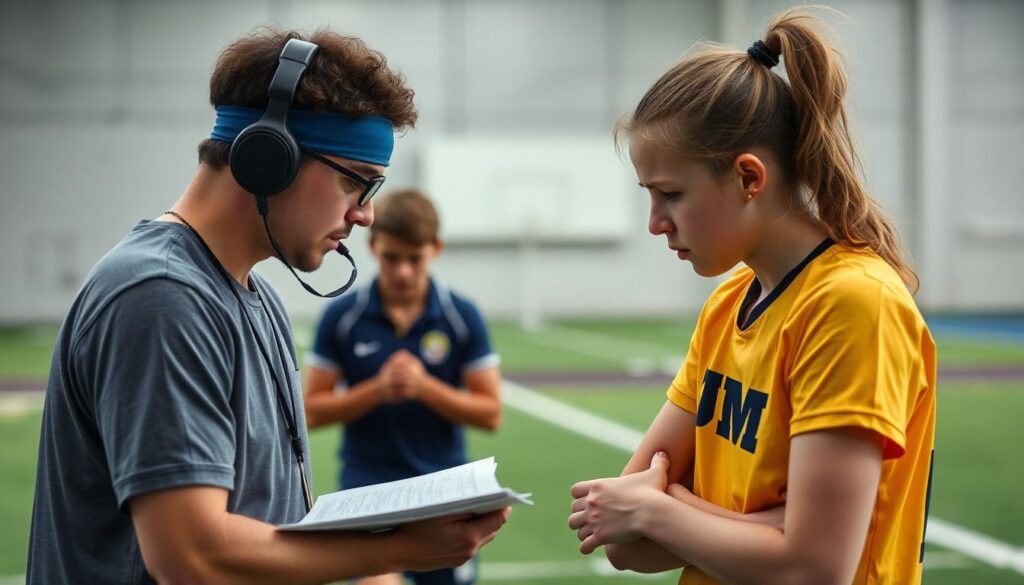
Common mistakes in monitoring and adapting a season plan can reduce progress and increase risk.
- Following the written plan rigidly, even when players show obvious fatigue, loss of motivation or increased injuries.
- Ignoring simple feedback (soreness, sleep problems, school stress) because it seems «normal» in sport.
- Using only physical impressions (running distance, speed) and neglecting mental and emotional state.
- Making big changes based on a single match, instead of looking at trends over several weeks.
- Failing to adjust training volume in exam periods or when match congestion appears.
- Not documenting sessions and loads, which makes it impossible to learn from the season.
- Overreacting to defeats with punishment sessions instead of calm analysis and targeted work.
- Under‑communicating with parents and players about why you change intensity, drills or focus.
- Comparing players directly in front of the group instead of tracking each player against their own baseline.
- Relying on complex technology that you cannot maintain, instead of simple, consistent observational tools.
Recovery, nutrition and injury prevention for youth players
When you cannot implement a full structured plan, or when resources are limited, consider these safer alternatives and adaptations.
- Game‑centered development with basic guidelines: run playful, game‑rich sessions, but keep simple rules for rest, hydration and gradual intensity, especially in pre‑season.
- Movement‑quality focus: if facilities are poor, emphasize coordination, balance, landing mechanics, changes of direction and ball mastery, which support injury prevention.
- School‑sport balance approach: in exam periods or for overloaded players, prioritize quality over quantity, even if that means fewer drills or shorter sessions.
- Shared responsibility model: educate parents and players on sleep, simple nutrition habits and reporting pain early, so part of the «programa» happens outside the pitch.
Practical implementation concerns and mitigations
How can I adapt this plan if I only train once per week?
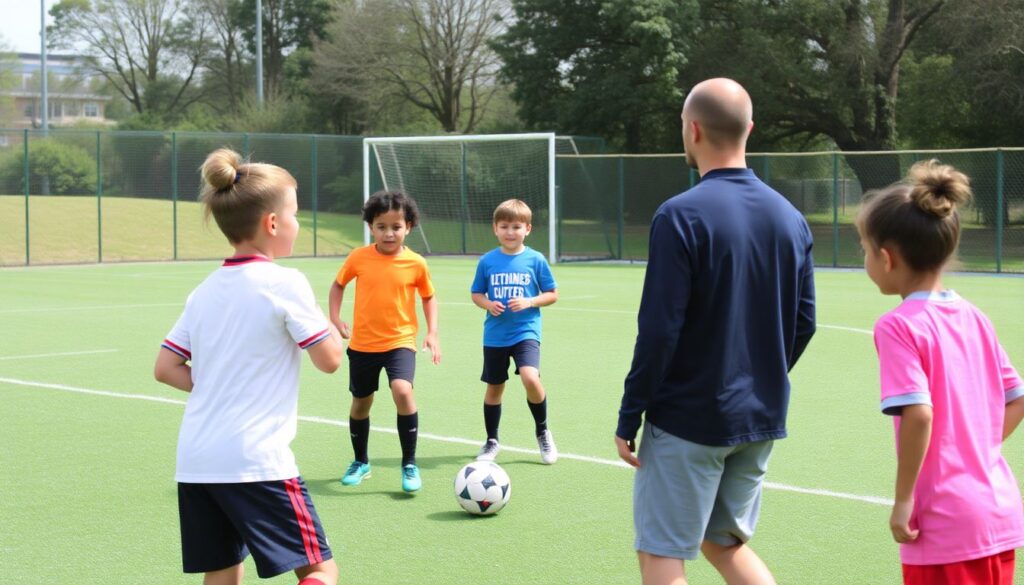
Combine elements: short warm‑up, one main physical focus, one tactical theme and one mental objective, all inside game‑like drills. Reduce volume but keep clarity of purpose, and encourage unstructured play outside formal sessions.
What if some players also train with another team or sport?
Ask about their weekly schedule and adjust your load for those players by reducing intensity or volume. Communicate with parents to avoid overlapping hard sessions and to watch for signs of fatigue or irritability.
How do I manage very different ability levels in the same group?
Use small‑sided games with simple rules that scale difficulty (touch limits, space, time). Give individual challenges and mental goals, so advanced players stay engaged without over‑loading less experienced ones.
What should I do if a player shows frequent pain or emotional distress?
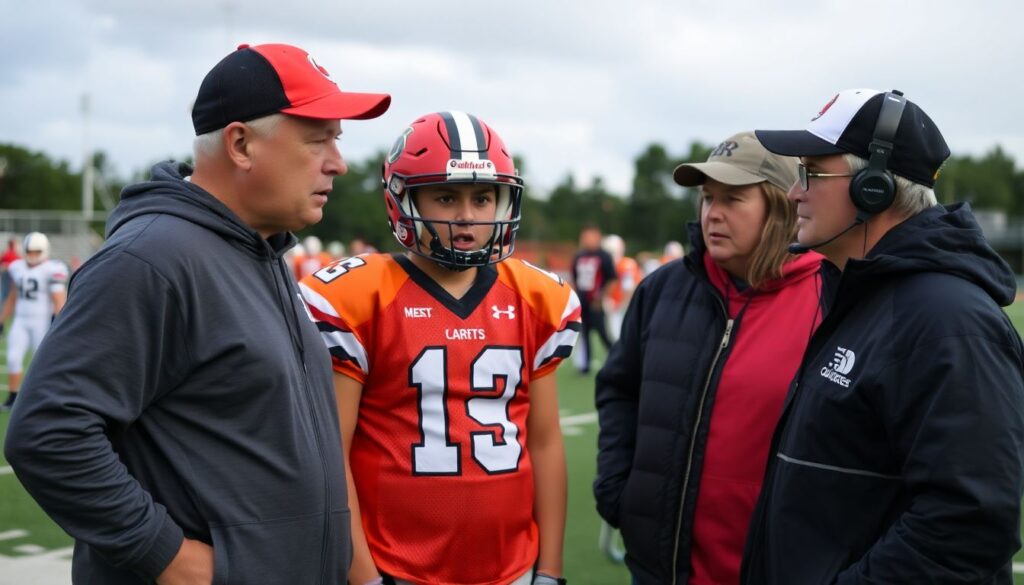
Stop high‑intensity work for that player and recommend medical or psychological evaluation. Inform parents, document what you observed and only re‑introduce normal loads after professional clearance and a gradual progression.
How do I handle parents pushing for more intensity or extra sessions?
Explain your rationale: long‑term development, injury prevention and school balance. Offer alternatives such as simple home skill work with the ball and emphasize rest and enjoyment as essential parts of progress.
Can I use this framework for a competitive regional team?
The structure still applies, but demands are higher, so involve qualified physical preparation and, if possible, psychological support. Increase monitoring, formalize testing and be even more careful with load management.
How often should I review and adjust the season plan?
Review at least at the end of each mesocycle and after unusual periods (injury waves, exam weeks, tournaments). Use simple notes on what worked, what did not and what you will change for the next block.