
To stand out in modern football, a player must blend clean technique, tactical intelligence, robust physical conditioning, mental resilience, and smart use of data. This guide gives you a practical, safe training roadmap you can follow at home, at club level, or inside an elite academy, with weekly and seasonal goals.
Core Competencies to Master Now
- First touch, scanning, and passing under pressure in tight spaces.
- Understanding pressing, compactness, and how to exploit space between the lines.
- Game-specific speed, endurance, and basic injury-prevention habits.
- Mental skills: fast decisions, focus in chaos, and resilience after mistakes.
- Using video and simple metrics to review your matches and training.
- Professional routines: sleep, nutrition, and recovery habits that support high performance.
- Long-term planning: choosing the right club, academia de fútbol de alto rendimiento, or development path.
Technical Foundations: Modern Ball Control and Passing
This section is ideal for players from roughly U12 to senior semi-professional level who already train at least twice a week. It fits especially well with any structured entrenamiento de fútbol moderno para jóvenes or club programme that values proactive, possession-based football.
It is not the main priority when you are:
- Recovering from acute injury and have not been cleared by a doctor or physiotherapist.
- Under 10 years old and still learning very basic coordination (here, training should be playful and low-pressure).
- Overloaded with matches (more than one full match every two days); in that case, reduce extra technical volume.
Technical checklist to focus on now:
- First touch in 360 degrees – Control the ball so your next action is easier, not harder. Work inside foot, outside foot, sole, and laces. Aim to move the ball into space with your first touch, not stop it dead under you.
- Scanning before receiving – Make a habit of looking over both shoulders at least once before the pass arrives. Start slowly in rondos and positional games until it feels automatic and safe.
- One-touch and two-touch passing – Alternate between one- and two-touch in simple passing patterns. Prioritise accuracy and body orientation (open to the pitch) over power or tricks.
- Passing at match tempo – Recreate game rhythm: short, sharp passes and quick support runs. Use small-sided games (3v3, 4v4) where you limit maximum touches to increase speed of play.
- Weak-foot reliability – Every week, dedicate a block to your weaker foot: wall passes, first-touch turns, and short lofted passes. The goal is not perfection but confidence in safe, simple actions.
- Ball mastery under fatigue – When you are slightly tired (after light running or a match), finish with controlled ball-mastery drills to simulate real match conditions, keeping quality high and movements safe.
Tactical Intelligence: Reading Systems and Exploiting Space
To develop real tactical intelligence, you need a few basic tools and environments rather than expensive technology.
Essential requirements and tools:
- Regular full-pitch matches – At least one weekly match or realistic 11v11 training game to see pressing lines, blocks, and space creation in real scale.
- Simple whiteboard or tactics app – Use a whiteboard, magnets, or a free app to draw systems (4-3-3, 4-4-2, 3-5-2) and your role in each phase. This supports what you see on the pitch.
- Access to match video – Ideally, recordings of your own matches; if not, use professional games from TV or streaming. Pause, rewind, and focus on player movements off the ball.
- Guided learning content – Short, structured courses online de táctica y análisis de fútbol moderno (cursos online de táctica y análisis de fútbol moderno) can give you language and frameworks for what you already see.
- Coach or mentor feedback – A coach who explains why, not just what, is happening tactically helps accelerate learning. Even a short weekly session of questions and board work can be enough.
- Notebook or digital notes – After each match, note three tactical situations: where you created space, where you lost it, and one pressing or defensive pattern you noticed.
- Stable playing position – Rotating positions can help younger players, but staying in one role for several matches in a row helps you see repeated patterns and improve decisions there.
Physical Profile: Speed, Endurance and Injury Prevention
Before following the step-by-step plan, make sure you are medically cleared for sport and that you increase training loads gradually. If in doubt, consult a preparador físico especializado en fútbol profesional or a qualified physiotherapist.
Quick prep checklist before you start:
- Warm up at least 10-15 minutes with light running and dynamic mobility before any intense drill.
- Stop immediately if you feel sharp pain, dizziness, or unusual shortness of breath.
- Train on safe surfaces with appropriate boots to reduce slips and overload.
- Plan at least one full rest day per week with no intense running or strength work.
- Drink water regularly and avoid heavy meals less than two hours before hard sessions.
- Establish your current fitness baseline – In the first week, note how long you can run at a steady, comfortable pace, and how many short sprints you can do before quality drops. Use this only as a reference, not a test to exhaustion.
- Build aerobic endurance safely – Two or three times per week, include moderate runs or small-sided games where you can speak in short sentences while moving. Gradually extend duration or number of game blocks over several weeks.
- Develop football-specific speed – Add short sprints (10-30 metres) after warm-up, with full rest between efforts. Focus on posture, relaxed shoulders, and a strong push-off, not on the watch at first.
- Integrate change of direction and agility – Use cones to plan gentle, progressive direction changes. Start with wider angles at slower speed and only increase intensity if you feel stable and pain-free.
- Strengthen key muscle groups – Two non-consecutive days per week, do basic bodyweight strength work (squats, lunges, hip bridges, core exercises). Keep technique controlled and stop each set with a few safe repetitions in reserve.
- Apply simple injury-prevention routines – After training, spend a few minutes on stretching main muscle groups used in football and doing balance or single-leg stability drills. This supports joints and can reduce common overuse issues.
- Monitor fatigue and adjust volume – Track how you feel each morning (energy, muscle soreness). If you notice persistent fatigue or heaviness, reduce running volume or intensity for several days instead of pushing through.
- Review and reset goals each month – Every four weeks, reassess your steady run and short sprints. Adjust your plan so that progress feels gradual and sustainable, not rushed.
Psychological Edge: Decision Speed, Focus and Resilience
Use this checklist to evaluate whether your mental game is moving in the right direction.
- You scan the field before receiving the ball in most actions and rarely feel surprised by pressure.
- Your first decision (pass, drive, shoot, retain) usually comes within one or two touches, even under pressure.
- You can stay focused on your role and the ball for long periods without mentally switching off.
- After a mistake, you recover concentration within one or two plays instead of dwelling on it.
- You enter matches with a clear, simple personal objective (for example: defensive compactness or supporting the striker).
- In tight games, you follow the game plan instead of improvising selfishly when stressed.
- You use simple breathing or self-talk routines to calm nerves before and during matches.
- Coaches describe you as reliable or consistent rather than unpredictable in attitude.
- You seek specific feedback about decisions (where to move, when to press) rather than only about technique.
- You can separate constructive criticism from personal attack and use it to adjust your behaviour.
Data and Analysis: Using Metrics and Video to Accelerate Growth
When players first add data and video to their development, several predictable mistakes appear. Avoid these to make analysis practical instead of stressful.
- Obsessing over complex statistics without first understanding simple indicators like successful passes, duels, or sprints.
- Watching video passively, like entertainment, instead of pausing, rewinding, and taking notes on key moments.
- Focusing only on the ball and ignoring your positioning and movements when you are off camera.
- Comparing your raw numbers with professionals without adjusting for level, role, or playing style.
- Collecting too many metrics at once, making it impossible to see clear patterns or priorities.
- Using data to blame teammates or coaches rather than to improve your own decisions and work rate.
- Reviewing every small mistake and losing confidence instead of selecting a few themes per match.
- Skipping feedback from coaches who know you in favour of anonymous opinions online.
- Ignoring physical and mental context (fatigue, position change) when interpreting your numbers.
- Failing to use analysis to design specific training tasks for the next week or micro-cycle.
Professional Habits: Recovery, Nutrition and Career Management
If you cannot fully implement ideal professional routines yet, there are realistic alternatives that still move you forward.
- Structured club programme vs. flexible self-planning – If you are not in an academia de fútbol de alto rendimiento, create a simple weekly plan yourself: training, recovery, and self-analysis blocks, adjusted around school or work.
- Elite camps vs. local training – When the mejores campus de fútbol para niños y adolescentes are not accessible, use local clubs and community pitches to recreate similar intensity with friends and guided small-sided games.
- Private specialists vs. basic healthcare – If you cannot regularly visit a sports doctor or dietitian, follow general, safe nutrition principles: varied whole foods, enough hydration, and avoiding extreme diets or supplements without medical input.
- Agent representation vs. personal networking – Without an agent, you can still share highlight videos, maintain good relationships with coaches, attend open trials, and communicate clearly and respectfully with clubs about opportunities.
Practical Concerns Players Ask Most Often
How many days per week should I train to follow this guide safely?
Most intermediate players progress well with three to five training days, including team sessions. Ensure at least one full rest day each week and adjust volume down if you feel persistent fatigue or pain.
Can I combine this plan with my current club or school schedule?
Yes, treat club sessions as your main workload. Add only light, focused extras on days without matches, like short technical work or simple strength exercises, keeping overall fatigue under control.
Do I need expensive technology or GPS to track my data?
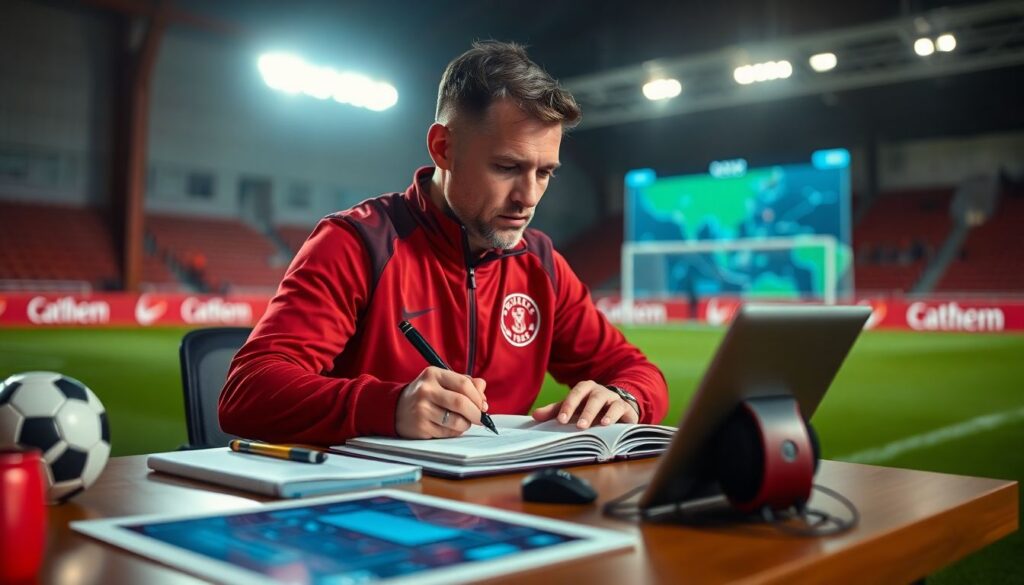
No, you can start with simple notes: minutes played, position, basic stats, and short comments after each match. If later you access GPS or advanced tools, they will simply refine what you already track.
What should I do if I feel pain during physical drills?

Stop immediately, avoid pushing through sharp or unusual pain, and inform your coach or a health professional. Resume only when pain has cleared and you have guidance on safe progression.
How can I work on tactics if my coach does not explain systems much?
Use match recordings, online resources, and cursos online de táctica y análisis de fútbol moderno to build understanding. Then ask your coach short, specific questions about your role and decisions in key situations.
Is it worth attending short football camps during holidays?
Short, intensive camps can give varied coaching and new challenges, especially if your local environment is limited. Select programmes with good coaching, appropriate player level, and safe training loads.
How long before I see real improvement using this approach?
Technical and physical gains usually appear gradually over several weeks, while tactical and mental improvements often show across a full season. Consistency and safe progression are more important than quick results.