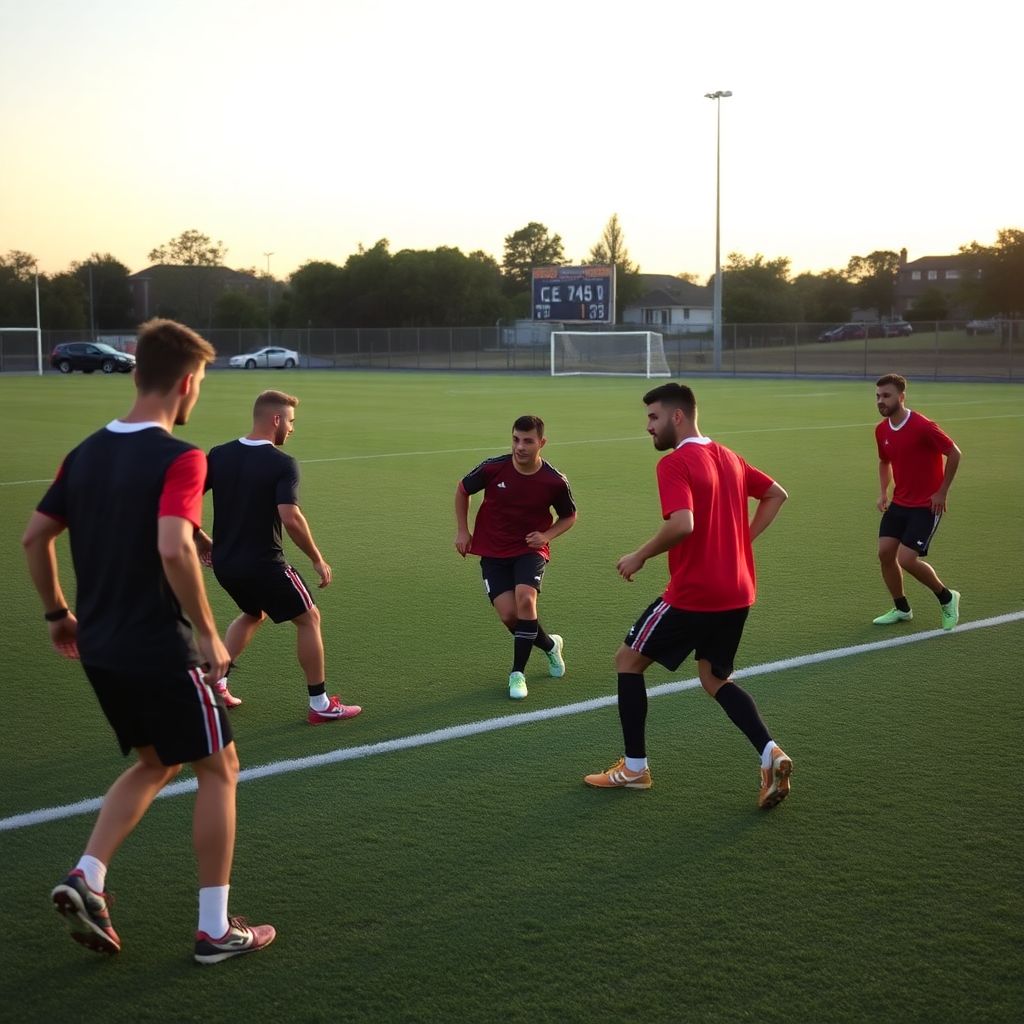
To prepare a team for a short football tournament, compress preparation into three pillars: safe, targeted physical work, simple and adaptable tactics, and basic but consistent mental routines. Focus on freshness over fatigue, clear roles, and repeatable habits for warm-up, hydration, sleep and recovery, so players can handle several matches in very few days.
Core Preparations Snapshot
- Clarify realistic objectives for the specific short tournament format and player level.
- Use a condensed, low-risk preparación física equipo de fútbol para torneos cortos that prioritises freshness over heavy loading.
- Plan strict minutes management, in-game substitutions and basic recovery between matches.
- Introduce simple entrenamiento mental para equipos deportivos antes de un torneo to handle pressure and penalties.
- Define 1-2 base tactical structures and set-piece routines adapted to back-to-back games.
- Organise logistics, meals, hydration and injury-prevention routines suitable for a torneo relámpago.
Assessing Team Readiness and Objectives
This guide fits amateur and semi-competitive teams preparing for 1-5 match tournaments in one or a few days (youth, amateur, company leagues, regional cups in Spain). It assumes you have at least two weeks to adjust training and that players already have basic fitness and football experience.
First, define what success looks like. Before thinking about a detailed plan estratégico para torneo corto de fútbol descargable, answer these questions with staff and captains:
- Is the priority: winning, giving minutes to everyone, or avoiding injuries before the regular league?
- How many matches could we realistically play in one day without risking health?
- Which players are recently injured, overloaded or returning from layoff?
- Who are the potential difference-makers (pace, 1v1, set-piece specialists, penalty takers)?
- What is the expected heat, pitch type (artificial grass vs natural) and travel load for this event?
When not to use an intensive short-tournament approach:
- If several players are currently injured or in severe pain.
- If the tournament is purely recreational and players rarely train; focus on fun and safety instead.
- If the team has an important league match within 48 hours; in that case, treat the tournament as light training with strict minute limits.
Condensed Physical Conditioning Plan
Your programa de entrenamiento intensivo para torneo relámpago must be safe, simple and adapted to your calendar. For es_ES context, consider evening sessions when possible to avoid heat and allow players to come after work or studies.
Minimum resources you should have:
- Football pitch or half-pitch access 2-3 times per week.
- Basic equipment: cones, small goals, 1-2 resistance bands per 4 players, foam roller or massage ball per player if possible.
- Access to drinking water at training and matches; isotonic drinks if heat is expected.
Recommended 10-14 day condensed plan (adjust to your reality):
- Day 1-2: Initial screening and low-intensity session
- Short talk: objectives, minutes policy, injury honesty rule (players must report pain).
- Simple tests: easy jog, 3 short sprints, basic mobility to detect pain or major asymmetries.
- Technical-tactical training at moderate intensity, no long conditioning runs.
- Day 3-5: Football-specific conditioning
- Use small-sided games (4v4, 5v5) with work/rest ratios that mimic the tournament (e.g. 4-6 minutes play, 2-3 minutes rest).
- Add short repeated sprints (15-25 m) with full recovery.
- Finish with 10-15 minutes of core and hip stability, plus hamstring and calf strengthening.
- Day 6-8: Tactical plus speed of play
- Focus on pressing triggers, transitions and set pieces at match speed.
- Reduce total volume; keep intensity high but with longer rests.
- Include 1 short friendly or intense internal match.
- Day 9-10: Taper and freshness
- Short, sharp sessions (max 60 minutes) with rondos, finishing and light tactical work.
- No heavy conditioning or long runs; prioritise sleep, stretching and light mobility.
- Review roles, responsibilities and substitutions plan.
If you use servicios de coaching deportivo para preparación de torneos cortos, ask the coach to help you adjust this physical plan to each player's baseline instead of adding more physical load.
Matchday Load Management and Recovery Protocols
- Pre-tournament medical and availability check.
Clarify who is fully fit, who is playing with limitations and who should not play. For minor issues, agree on strict minutes limits and stop rules (if pain increases, they come off immediately). - Structured warm-up before first match.
A consistent 15-20 minute routine:- 3-5 minutes light jog plus mobility (hips, knees, ankles, shoulders).
- Dynamic stretches (lunges, leg swings, rotations).
- Progressive sprints, changes of direction and 3-5 minutes with the ball (rondos, passing patterns, finishing).
- Minutes management and substitutions plan.
Decide in advance:- Maximum minutes per player per match and across the day.
- Who can handle back-to-back matches and who needs full rest between matches.
- Rotation pattern for high-intensity positions (full-backs, wingers, box-to-box midfielders).
- Between-matches recovery routine.
For short breaks (30-90 minutes) between games:- Within 10 minutes: easy walk, gentle stretching, change to dry kit.
- Hydration: small sips of water or isotonic drink; avoid heavy, greasy food.
- Light snack if needed: fruit, yoghurt, small sandwich; no large meals before the next kick-off.
- Cooling-down after the last match of the day.
Always:- 5-10 minutes very light jog or walking, then stretching of calves, hamstrings, quads and hips.
- Brief check-in with staff about pain, cramps or hits.
- Cold shower or contrast if players tolerate it; then a proper meal and at least several hours of sleep.
- Post-tournament follow-up.
Within 24-48 hours, collect feedback on fatigue, pain, and emotional state. Plan at least one very light recovery session before returning to normal training.
Быстрый режим
- Agree on clear objectives, minutes limits and who plays which role.
- Use one standard warm-up and one cool-down routine for all matches.
- Rotate the most explosive players often; never push through sharp pain.
- Hydrate regularly, eat light between games and sleep as much as possible after the tournament.
Mental Skills, Focus and Pressure Management
Use this checklist to confirm your entrenamiento mental para equipos deportivos antes de un torneo is in place and practical:
- Every player can describe in one sentence their main role with and without the ball.
- The team has agreed on 2-3 simple behavioural rules under pressure (e.g. stay compact, no risky passes in our half, clear communication).
- You have nominated penalty takers and practised penalties when slightly fatigued.
- Captains know exactly how to respond to a bad referee call or a conceded goal.
- You have rehearsed a short pre-match routine: breathing, key phrases, first actions after kick-off.
- Players have a simple refocus cue if they make a mistake (e.g. touch the badge, deep breath, next action).
- The staff promotes constructive body language: heads up, eye contact, supporting words between teammates.
- There is an agreed time and place for expressing frustration after matches, not during play.
Tactical Frameworks for Back-to-Back Matches
Common tactical and strategic errors in short tournaments:
- Using an overly complex system with several formations that players cannot execute when tired.
- Pressing high non-stop in the first match and exhausting key players for later games.
- Ignoring set pieces (corners, free-kicks, throw-ins) even though many tournament goals come from them.
- Not adapting to pitch size and surface; playing too long on small synthetic pitches or too narrow on wide natural ones.
- Failing to adjust game plan once leading or losing; continuing to play as if the score did not matter.
- Leaving no clear plan B or C for when your main striker is marked out of the game.
- Substituting only by position and not by intensity needs; creative players may stay too long on the pitch while tired defenders remain exposed.
- Underusing the bench, especially in group stages, and then having exhausted starters in the knockout phase.
Logistics, Nutrition and Short-Tournament Injury Prevention
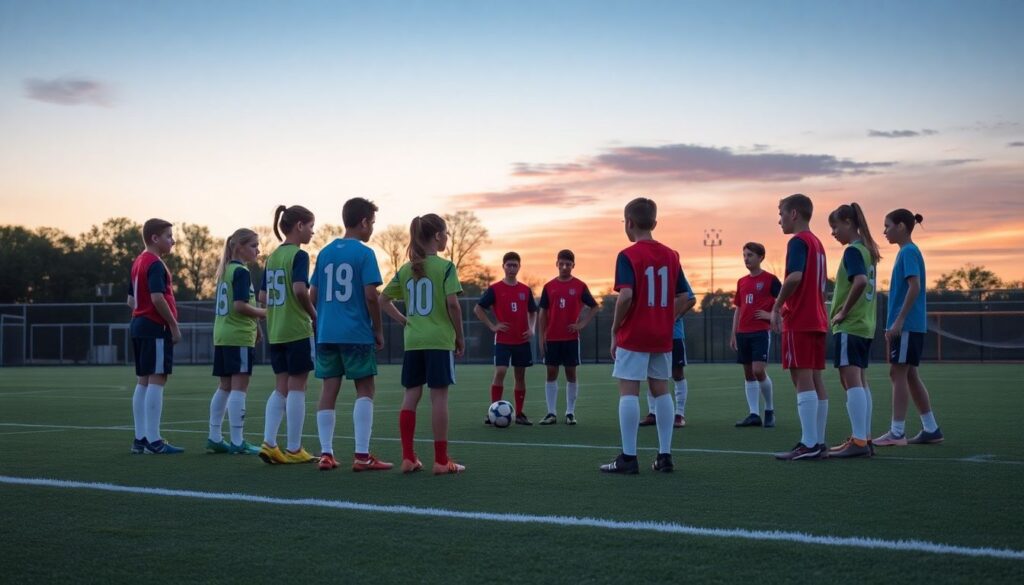
If you cannot follow a full structured plan, you still have safe alternatives for preparing your team for a torneo corto.
- Minimal-structure option (very little time). Focus on one short team meeting, one training with game-like drills, and a clear warm-up/cool-down routine. Prioritise sleep, hydration and basic stretching.
- Technical-focus option (limited fitness, older players). Reduce physical demands, emphasise ball possession, simple shapes and set pieces. Use longer rests in training and strict rotation in matches.
- External support option (access to specialists). Use servicios de coaching deportivo para preparación de torneos cortos to run a one-day workshop on mental routines and match management, while your staff focuses on logistics and player care.
- Self-guided digital option (no staff, but motivated captain). Use a simple self-made or online plan estratégico para torneo corto de fútbol descargable, customise minutes limits, and communicate everything clearly by messaging group before the event.
Quick Answers to Common Practical Concerns
How far in advance should we start specific preparation for a short tournament?
Ideally you start adjusting training 10-14 days before the event. If you have less time, reduce heavy physical work, focus on clear roles, set pieces and a consistent warm-up and cool-down rather than trying to gain fitness quickly.
How many training sessions per week are safe before a short tournament?
For most amateur teams, two to three football-specific sessions plus normal activities are enough. If you add extra work, keep it low impact (mobility, stretching, light strength) and avoid adding hard sessions in the last three days before the tournament.
How do we handle players who arrive already tired from work or studies?
Shorten the warm-up, reduce conditioning and prioritise ball work and tactical organisation. Encourage good sleep and nutrition, and be flexible with minutes for those who report high fatigue, especially in early matches.
What can we do if we have very few substitutes for a torneo relámpago?
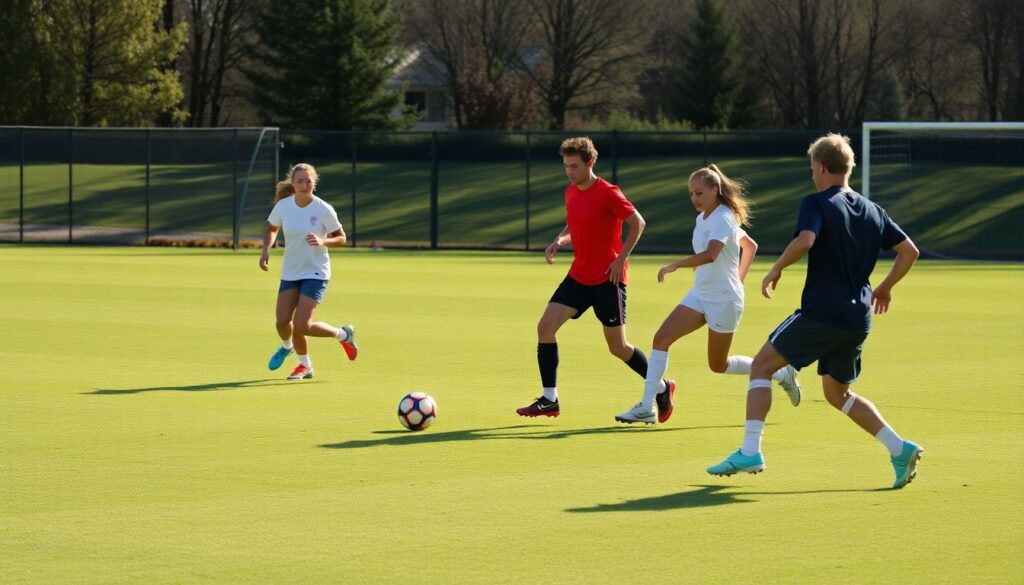
Lower pressing intensity, keep a compact block and avoid unnecessary sprints. Use the ball to rest (possession), stretch the match with small pauses and emphasise hydration and short stretching during every break in play.
How should we adjust tactics when playing several matches on artificial turf?
Expect a faster ball and more joint stress. Encourage shorter passes, careful studs selection, and slightly shorter warm-ups to avoid early fatigue. Include more calf and Achilles stretching before and after matches.
What is the safest way to manage minor injuries during the tournament?
Use a simple rule: if pain increases with running, cutting or kicking, the player stops. Apply basic first aid, use ice if appropriate, and avoid painkillers as a way to play through significant pain.
How much should we talk about winning with youth teams?
Highlight effort, teamwork and learning as primary goals, and treat winning as a consequence. Define success as executing the game plan, supporting teammates and respecting opponents, regardless of the final result.