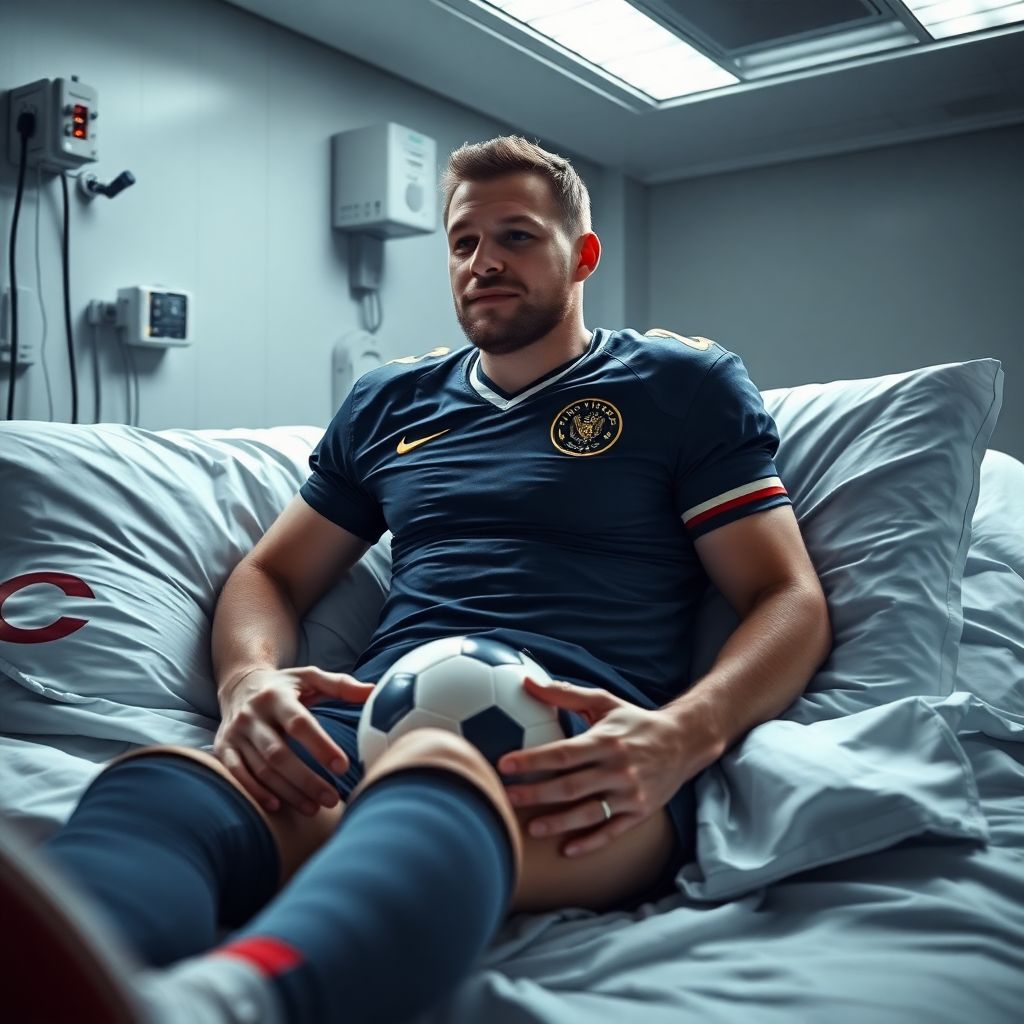
High-profile comebacks after severe injuries follow a repeatable pattern: accurate diagnosis, patient surgery and rehab, mental skills training, and a conservative return-to-play plan. Drawing from casos reales de recuperación de lesiones deportivas graves en futbolistas, this guide turns inspiring stories into practical, safe steps you can discuss with your own medical and coaching team.
Lessons extracted from high-profile comeback cases
- Severe injury is not an automatic career end, but rushing timelines is the most common reason for relapse.
- Clear, shared objectives between surgeon, physio, fitness coach, and player consistently predict better outcomes.
- Mental tools matter as much as physical rehab, especially for fear of re-injury and loss of confidence.
- Monitoring objective metrics (strength ratios, symmetry, session load) protects against emotional decisions.
- Role adaptation on return (minutes, position, playing style) is a powerful, underused protection strategy.
- Continuous education through libros inspiradores de atletas que se recuperaron de lesiones and documentaries supports motivation.
Anatomy of career-threatening injuries: patterns, prognosis, and timelines
This guide applies to athletes and coaches dealing with serious musculoskeletal injuries (ligaments, tendons, cartilage, fractures) who want a structured, risk-aware roadmap based on real comeback stories, especially historias de superación de futbolistas tras lesiones graves.
Typical "career-threatening" patterns in football and similar sports include:
- Multi-ligament knee injuries (ACL plus collateral or meniscus damage).
- Complex ankle injuries with cartilage damage and multiple surgeries.
- Recurrent hamstring or adductor tears with chronic tendon involvement.
- Major fractures (tibia, fibula, femur) requiring internal fixation.
- Severe shoulder dislocations in goalkeepers and contact sports.
Situations where you should not rely on this article as primary guidance:
- Suspected spinal cord or brain injury (concussion with loss of consciousness, seizures, neurologic deficits).
- Open fractures, major joint dislocations, or inability to bear weight right after trauma.
- Uncontrolled pain, fever, or worsening swelling after surgery or during rehab.
- Any case where your medical team advises permanent retirement or non-contact adaptation.
In those contexts, emergency care and specialised medical decisions take precedence over any generic comeback framework.
Rehabilitation protocols that repeatedly enabled successful returns
Across jugadores famosos que volvieron a jugar después de una lesión grave, several common rehabilitation elements appear. Before trying to mirror them, ensure that you have:
- Access to a sports medicine doctor and a physiotherapist experienced with high-level athletes.
- A strength and conditioning coach who understands progressive load, not just generic gym training.
- Regular communication between medical staff, coaching staff, and the athlete (shared plan, shared language).
- Facilities for controlled running (track or good turf), gym with free weights, resistance bands, and basic testing tools.
- Video of your pre-injury movement (matches or training) to compare technique and asymmetries later.
- Stable sleep schedule and nutrition support to sustain tissue healing and heavy rehab loads.
Common protocol phases (always adjusted by your doctor and physio):
- Acute protection and pain control – swelling reduction, joint protection, basic mobility, and isometrics.
- Strength rebuilding – progressive resistance, targeting both injured and non-injured limbs to restore symmetry.
- Running and impact reintroduction – walk-jog intervals, straight-line runs, then changes of direction.
- Football-specific work – ball work, position drills, and small-sided games under load monitoring.
- Full team integration – normal training, controlled minutes in matches, and follow-up testing.
During these phases, document your process with simple notes or an app, similar to how some documentales sobre deportistas que superaron lesiones graves depict daily routines and progress markers.
Mental resilience techniques athletes used to navigate setbacks
Before following any mental skills "how-to", respect these risk and limitation points:
- Mental techniques do not replace psychological or psychiatric care when there are signs of depression, panic, or self-harm thoughts.
- If anxiety or sleep problems persist for weeks, consult a mental health professional familiar with athletes.
- Avoid using pain or anger as fuel; both are linked to overtraining and poor decision-making.
- Never let "mental toughness" push you to hide symptoms from medical staff.
Use this stepwise framework, inspired by historias de superación de futbolistas tras lesiones graves but adapted for safe, everyday application:
- Clarify your personal comeback definition – Decide what "success" means for you: returning to amateur competition, professional level, or simply pain-free sport. Write down one primary goal and two or three acceptable alternatives so you are not trapped in an all-or-nothing mindset.
- Break the journey into controllable milestones – Replace "I want to be back in six months" with concrete, behaviour-based milestones.
- Example early: achieving full knee extension and flexion without pain as cleared by your physio.
- Example mid: completing a specific strength test with the injured leg close to the non-injured leg.
- Example late: playing 30 minutes in a friendly match without swelling the next day.
- Install a daily micro-routine – Choose a short, repeatable set of actions that anchor your day.
- Mini morning check: rate pain, mood, and motivation from 1 to 10 in a notebook.
- Brief breathing practice (2-5 minutes) before rehab to reduce tension.
- Evening reflection: one thing that improved and one thing to adjust tomorrow.
- Use guided imagery based on real movements – Instead of generic positive thinking, mentally rehearse specific, approved movements.
- Visualise completing rehab exercises with control and no compensation.
- Later, imagine match situations (first tackle, first sprint) while focusing on correct technique.
- Stop if imagery increases fear or tension and discuss with your physio or psychologist.
- Prepare a relapse and setback script – Most inspiring comebacks include small regressions, as shown in many documentales sobre deportistas que superaron lesiones graves. Write a simple plan for what you will do if pain flares or progress stalls: who you will call, which metrics you will recheck, and which activities you will pause.
- Build a support team and communication rules – Decide in advance how and when you will update coaches, family, and teammates. Ask them to support process goals (attendance, effort, patience) rather than only asking "when are you back?", which many athletes find demotivating.
Training modifications and progressive load management post-injury
Use this checklist with your medical and coaching staff to decide if training modifications and load progression are on track after a severe injury:
- There is a written weekly plan that clearly separates rehab, individual training, and team sessions.
- Intensity and volume increase no more than one step at a time; jumps in both speed and duration are avoided in the same week.
- The injured area is pain-free at rest and during daily activities before high-intensity running or contact is reintroduced.
- Next-morning status (swelling, stiffness, pain) is checked after each new load step; if worse, the load is reduced.
- Warm-up includes specific activation for the injured region and neighbouring muscle groups.
- Gym work prioritises quality of movement and symmetry over maximal weights or number of repetitions.
- Football sessions reintroduce tasks in this order: technical drills without opponents, simple duels, then full game scenarios.
- Match minutes increase gradually (for example, bench plus 15-30 minutes, then 45, then full match), adjusted to your doctor’s advice.
- Weekly schedule includes at least one lighter day after every intense or match day.
- Any new pain during or after training is reported immediately instead of "testing it for a few more days".
Evidence-based case studies: stepwise pathways from injury to performance
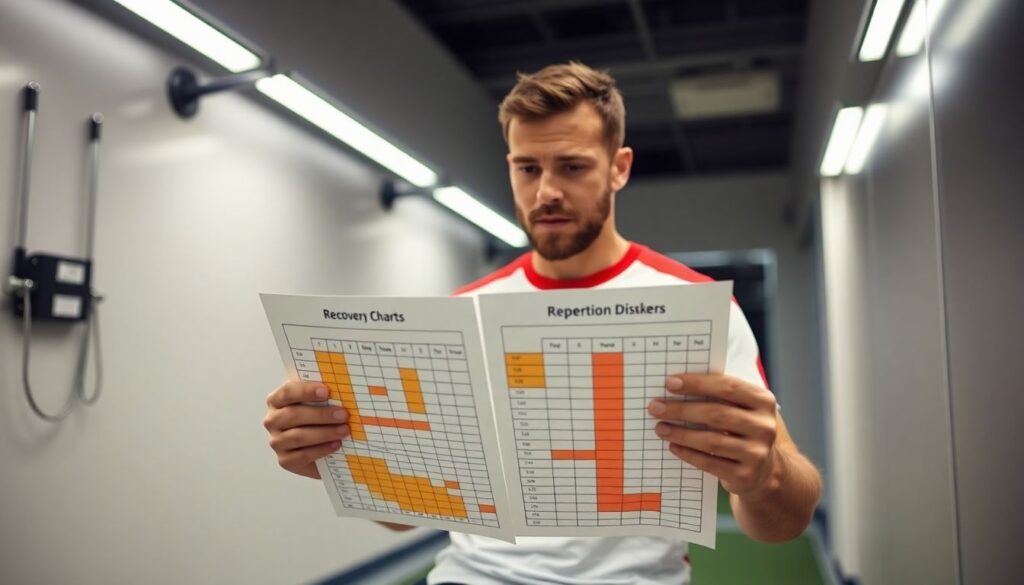
Real trajectories, including casos reales de recuperación de lesiones deportivas graves en futbolistas, show repeating mistakes that increase risk and delay return. Avoid these common pitfalls:
- Comparing your timeline with other players without considering age, exact lesion, or surgical technique.
- Skipping or minimising the strength phase to "get back on the pitch sooner", which often triggers new injuries.
- Ignoring asymmetries between limbs because pain has disappeared, even though strength or power is still lower.
- Returning directly to full training after clearance, instead of following a graded integration plan.
- Letting external pressure (club, media, contract dates) override medical return-to-play criteria.
- Abandoning mental skills work once running resumes, even though fear of re-injury often peaks later.
- Dropping follow-up appointments because "everything feels fine", which can miss early signs of overload.
- Using painkillers to tolerate higher loads in training or matches instead of adjusting the plan.
- Neglecting sleep and nutrition during intense rehab blocks, reducing tissue recovery capacity.
- Failing to adjust playing style or position when necessary, despite evidence from jugadores famosos que volvieron a jugar después de una lesión grave by shifting roles slightly.
Relapse prevention: monitoring, return-to-play criteria and risk mitigation
Relapse prevention is not one single decision but a sequence of safeguards. When classic full return-to-play is too risky or not aligned with your goals, consider these alternative pathways and when they are appropriate:
- Role or position adaptation within the same sport – For example, a footballer with repeated knee injuries might move from high-sprint wide positions to central roles with more positional play. This suits athletes whose medical team advises reduced high-speed running but not full retirement.
- Transition to lower competitive level or different league – Dropping to a less intense competition can reduce total load and travel stress. This is relevant when you still want to compete but cannot safely sustain top-tier demands.
- Switch to related, lower-impact sports – Options like coaching, futsal with controlled volume, or individual conditioning sports can maintain identity as an athlete with lower joint stress. This fits cases with persistent structural damage.
- Non-playing professional roles in sport – Scouting, analysis, coaching, or sports communication keep you close to the game. Consider this when multiple specialists agree that return to contact sport carries unacceptable long-term health risks.
To support whichever path you choose, learning from libros inspiradores de atletas que se recuperaron de lesiones and watching documentales sobre deportistas que superaron lesiones graves can help reframe identity beyond a single role on the pitch.
Practical answers to recurring comeback dilemmas
How do I know if my expectations for return are realistic?
Discuss best, typical, and worst-case timelines with your surgeon and physio, based on your exact diagnosis and procedure. Then anchor your goals to functional milestones instead of fixed dates, adjusting them whenever objective tests show a different reality.
Can I copy the rehab plan of a famous player I saw in a documentary?
Use those plans only as inspiration, not as templates. Even when historias de superación de futbolistas tras lesiones graves look similar, details like age, surgery, and previous injuries change what is safe; your own team must personalise each phase and progression.
Is pain always a sign that I should stop rehab exercises?
Some mild, short-lived discomfort is common in rehab, but sharp, increasing, or lingering pain after exercise is a warning sign. Use a simple pain scale and agree clear cut-off rules with your physio for when to reduce or stop a session.
What can I do if my club is pressuring me to come back faster?
Keep all decisions anchored in written medical criteria and test results. Ask your doctor or physio to communicate directly with coaches and management, and consider an independent second opinion if you feel that performance pressure is overriding your health.
How do I handle fear of re-injury in the first matches back?
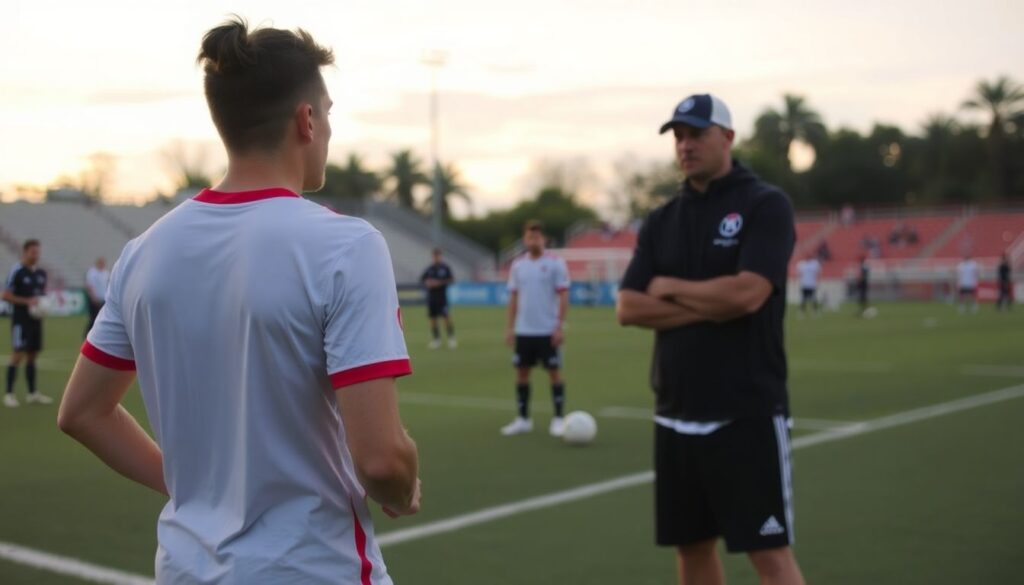
Prepare in advance with imagery of match situations, graded exposure to contact in training, and debriefs after each session. Many jugadores famosos que volvieron a jugar después de una lesión grave report that fear dropped significantly after a few controlled games with clear protection strategies.
Should I keep a public diary or social media updates about my recovery?
A diary can improve focus, but public updates can add pressure or make you compare yourself constantly. Decide with your support team how much to share and keep at least one private space where you can express doubts without external judgment.
What if I do everything correctly and still cannot return to my previous level?
This is possible even with perfect effort and planning. In that case, look at alternative roles, levels, or careers that preserve your health and use your experience; many inspiring stories include reinvention, not only full performance recovery.