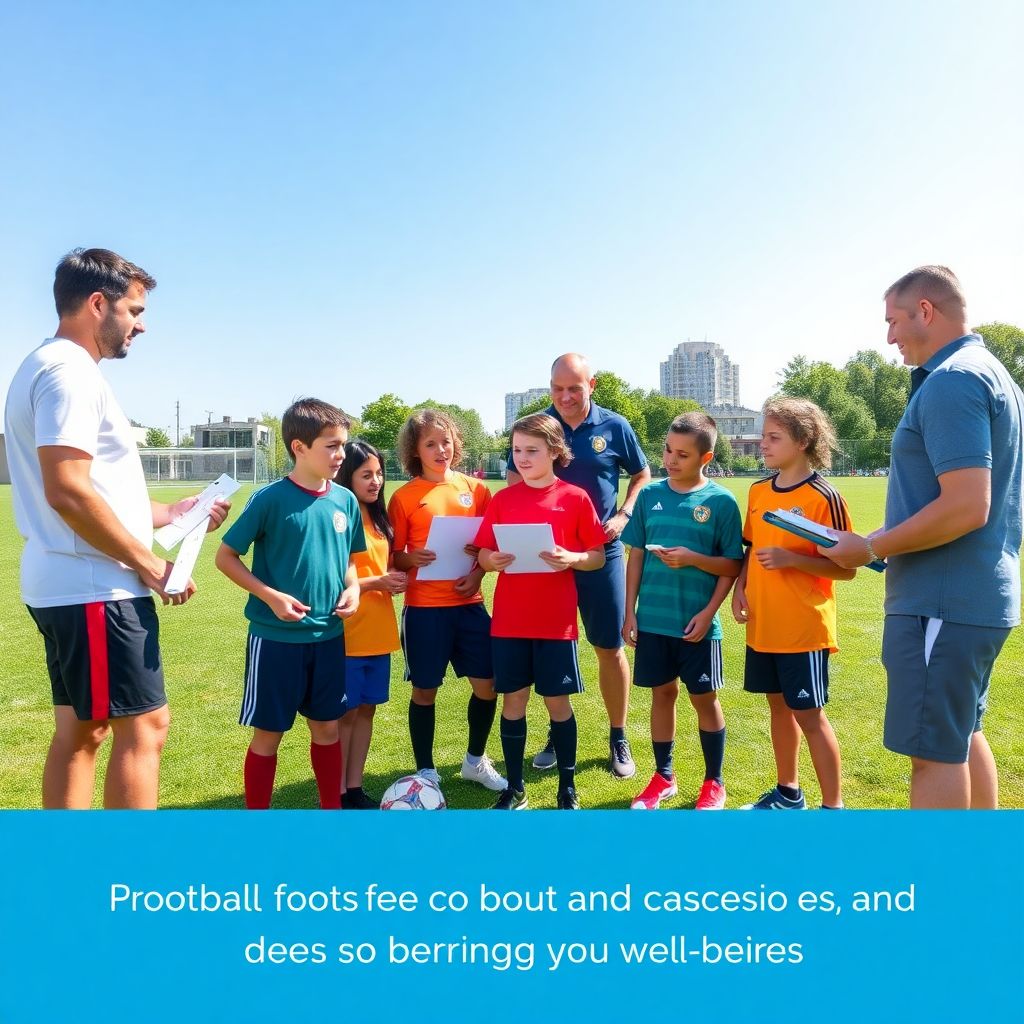
Parents and coaches can mentor young footballers effectively by agreeing clear shared goals, defining roles, and using simple communication routines around training, school and rest. Prioritise health and enjoyment over results, monitor workload, and address conflicts early. Structured meetings and written agreements make expectations visible, realistic and safe for everyone.
Core Mentoring Principles for Parents and Coaches
- Child-centred decisions: performance never comes before physical and emotional health.
- One team of adults: parents and coaches act as partners, not rivals.
- Clarity over assumptions: roles, limits and communication rules are written and revisited.
- Long-term development: focus on habits, learning and character, not only match results.
- Safe workload: coordinated planning to avoid overtraining and burnout.
- Respectful dialogue: disagreements handled calmly, away from the pitch and children.
- Continuous learning: use local programas de formación para padres y entrenadores de fútbol infantil when available.
Aligning Goals: Athletic Development and Well‑Being
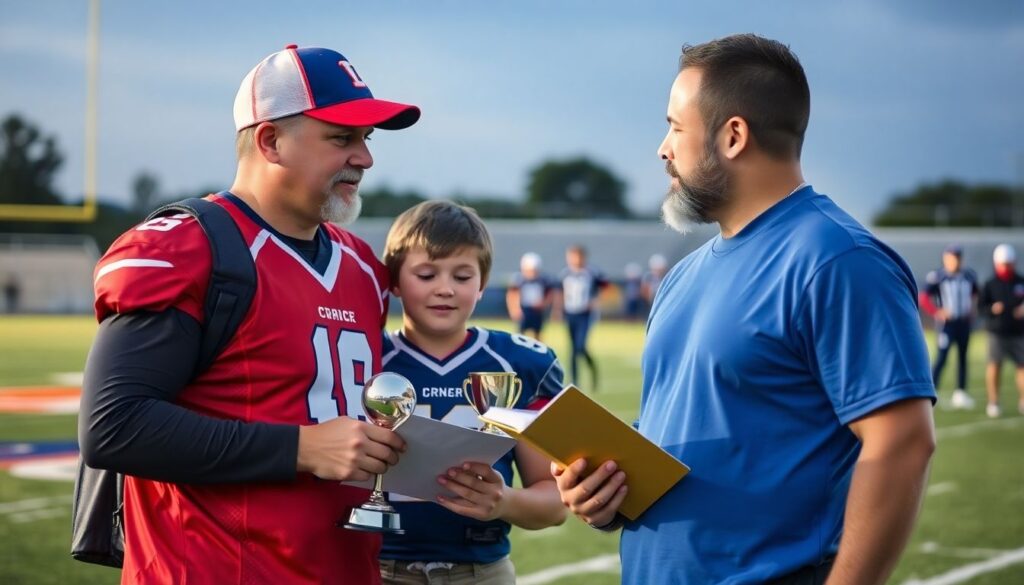
Healthy mentoring in youth football starts by agreeing what success means for the young athlete. This is the foundation of any mentoría futbol juvenil para padres y entrenadores and avoids mixed messages such as one adult chasing trophies while another pushes for rest or school priorities.
Use a short, structured conversation at the start of each season:
- Clarify the child’s priorities. Ask the player what they enjoy, what they find stressful, and what they would like to improve this year (technical skills, confidence, fitness, friendships).
- Parents’ expectations. Parents briefly share expectations around safety, education, time commitment and budget (travel, equipment, possible academies).
- Coach’s development plan. The coach explains the team philosophy: rotation of positions, playing time policy, training intensity, and values (respect, effort, discipline).
- Write 3-5 shared season goals. Examples:
- Improve first touch and decision-making.
- Maintain school performance within agreed limits.
- Keep football enjoyable; no signs of chronic stress or sleep loss.
When is this cooperation not advisable or must be limited?
- When a parent or coach ignores medical advice, pressures the child to play through pain, or dismisses injury risks.
- When communication is consistently hostile or disrespectful and does not improve despite structured attempts.
- When there is any safeguarding concern (bullying, harassment, emotional or physical abuse). In that case, follow club and legal procedures, and reduce contact to formal channels only.
In Spanish contexts (es_ES), where fútbol base is highly competitive, explicitly stating that well-being outranks results protects the child and gives both sides a clear rule to fall back on.
Establishing Clear Communication Protocols
Good mentoring collapses without predictable, calm communication. The mejores prácticas de comunicación padres entrenadores fútbol jóvenes are simple but must be followed consistently.
Basic tools and arrangements you will need:
- Primary communication channel.
- Choose one channel for official updates (club app, email or a moderated messaging group).
- Avoid discussing sensitive issues in large chat groups; use direct messages or scheduled meetings.
- Response-time expectations.
- Agree typical response windows (for example: within 24 hours on weekdays, no expectation late at night).
- Clarify when to use phone calls (injury, urgent schedule change) versus written messages.
- Meeting slots.
- Define fixed moments when parents can talk to coaches: after training on specific days or short online calls by appointment.
- No technical or tactical debates at the touchline right before or after matches.
- Information sharing about the child.
- Parents inform the coach about injuries, medical conditions, learning difficulties and relevant family changes that may impact performance or mood.
- Coaches share training focus, player progress and concerns about behaviour or well-being.
- Language and tone rules.
- Use respectful, neutral language (describe behaviours, not personal attacks).
- Address disagreements privately, never shouting during training or matches.
If your club offers programas de formación para padres y entrenadores de fútbol infantil, include a short module on these communication standards and ask all new families to attend.
Roles, Boundaries and Shared Responsibilities
Before practising any guía para entrenadores sobre manejo de padres en fútbol formativo, both sides must accept clear limits. Below is a step-by-step approach that is safe and realistic for typical clubs in Spain.
Risk and limitation checklist before you start
- Avoid medical decisions by non-professionals: if in doubt about pain, fatigue or head impacts, the child does not play until cleared.
- Prevent emotional overload: no long criticism sessions; keep feedback short, specific and balanced.
- Protect school and sleep: do not expand training or competition if it regularly reduces sleep or school attendance.
- Guard against role confusion: parents do not act as unofficial coaches from the sideline; coaches do not interfere in family rules at home.
- Respect privacy: do not share photos, videos or personal performance data publicly without consent.
- Define the coach’s primary responsibilities.
The coach leads football decisions and group management.
- Planning and delivering safe, age-appropriate training.
- Selecting positions, playing time and tactics according to development goals and club policy.
- Creating a respectful, inclusive team culture (no bullying, no humiliation).
- Informing parents about serious injuries, disciplinary issues or repeated absenteeism.
- Define the parents’ primary responsibilities.
Parents create the conditions that allow training to work.
- Ensuring punctual attendance, correct kit and nutrition before and after sessions.
- Supporting rest and school routines; monitoring signs of stress, anxiety or exhaustion.
- Encouraging effort and enjoyment, not only results; avoiding negative comments about coaches or teammates.
- Communicating early about schedule conflicts, injuries or family constraints.
- Agree what parents do not do.
Boundaries prevent mixed messages and pressure on the child.
- No tactical shouting from the stands that contradicts the coach.
- No direct complaints about playing time during or immediately after matches.
- No posting of criticism of players or staff on social media.
- Agree what the coach does not do.
Coaches must respect family roles and limits.
- Does not pressure parents about private matters such as grades, body weight or family income.
- Does not communicate individually with children through private, unsupervised channels late at night.
- Does not use threats (benching, exclusion) as emotional punishment.
- Create a simple written «team agreement».
Turn these roles into a short document and share it at the start of the season.
- Use one page with bullet points on behaviour at training, matches and online.
- Include clear steps for raising concerns (who to contact first, then second).
- Ask parents and older players to sign, signalling commitment.
- Schedule two review points per season.
Roles and needs change; revisiting avoids resentment.
- Mid-season: quick survey or group meeting to check what is working and what feels heavy for families.
- End-of-season: reflect on lessons learned to improve next year’s cooperation.
Designing Consistent Training and Recovery Plans
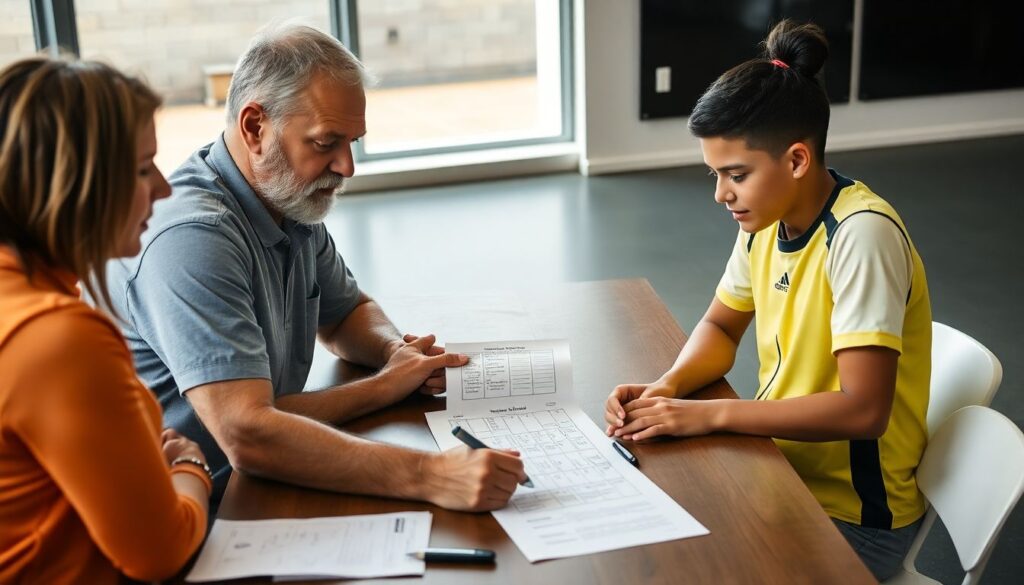
To avoid overtraining and conflicting demands, parents and coaches should look at the full weekly load, including school sport, other clubs and informal play. Use this checklist to see whether your joint plan is coherent and safe:
- Training sessions are age-appropriate in length and intensity; the child finishes tired but not exhausted or in pain.
- There is at least one full rest day per week from organised sport, with light, unstructured play only.
- Parents and coach know about all physical activities the child does (PE, other sports, private sessions).
- Sleep routines are stable; early-morning or late-night sessions do not cut sleep repeatedly.
- The child eats and hydrates before and after training; no frequent sessions entirely fasted.
- Any pain lasting more than a few days is reported and assessed; training is adapted, not ignored.
- The child still enjoys football most weeks; there is laughter and connection, not constant fear of mistakes.
- School performance and attendance are stable; football is not causing repeated academic crises.
- Warm-up and cool-down are always done, even when time is short.
- Return-to-play after injury follows medical advice and gradual progression, agreed by parents and coach.
Monitoring Progress, Feedback Loops and Data Use
Tracking progress can help, but it easily becomes pressure if misused. Below are frequent mistakes to avoid when you try to monitor development together.
- Measuring only goals, wins or selection to elite teams, ignoring technical, tactical and psychological growth.
- Comparing one child’s data obsessively with teammates or online benchmarks.
- Sharing sensitive stats or video clips in team chats in a way that embarrasses a player.
- Giving feedback only when something goes wrong, never reinforcing good behaviours.
- Doing long video analysis sessions at home after every match, turning family time into permanent review.
- Using tracking apps or wearables without explaining to the child what is measured and why.
- Forcing the child to see numbers they find stressful (distance, sprint count) instead of using them as coach-only tools.
- Ignoring mood, motivation and body language when numbers look «good».
- Letting one bad performance dominate the narrative for weeks, rather than treating it as one data point.
- Keeping parents completely outside of progress discussions, which leads to confusion and side-line coaching.
Instead, create brief, scheduled feedback loops: a short mid-season report, two or three key focus points, and an invitation for parents to share observations calmly.
Handling Conflicts, Burnout Risk and Safeguarding
Even with good structures, tension appears. Knowing alternatives allows you to react early and safely when problemas arise in cómo trabajar juntos padres y entrenadores en el fútbol base.
- Mediation within the club.
When communication breaks down, ask a coordinator or head of youth to mediate a short, structured meeting. This preserves relationships and keeps the child out of adult conflict.
- Temporary step back from competition.
If there are signs of burnout (loss of joy, constant fatigue, frequent injuries), agree on a short break from matches or intense training while maintaining light, playful contact with the ball.
- Change of team or environment.
When philosophy or expectations are fundamentally incompatible and cannot be solved, a move to a different team with a better fit is healthier than staying in constant conflict.
- External professional support.
For persistent anxiety, mood changes, or any safeguarding worries, involve qualified health or mental-health professionals. Parents and coaches share observations but let professionals lead the plan.
Using these alternatives wisely turns a simple mentoría into a robust support network instead of a source of chronic stress for the young player.
Common Concerns and Practical Answers
How can we avoid giving contradictory instructions to the child?
Agree on one or two simple focus points per month and share them in writing. Parents then reinforce these same points at home and avoid adding new technical advice that conflicts with the coach’s messages.
What if I disagree with my child’s playing time or position?
Wait at least 24 hours after the match and request a short, private conversation. Ask the coach for the development reasons behind the decision and discuss what your child can work on, instead of demanding minutes as a right.
How do we spot early signs of burnout in youth football?
Watch for loss of enthusiasm, sleep problems, frequent minor injuries, irritability, or a sudden drop in school performance. If several appear together, reduce load immediately and discuss with both coach and, if needed, a health professional.
Is it helpful to record all matches and analyse them at home?
Occasional video review can support learning, but constant analysis often creates pressure. Limit home review to short, positive clips and let the coach lead deeper tactical analysis during training sessions.
What should parents do if they see behaviour that feels unsafe from a coach?
Document specific incidents and report them through the club’s official safeguarding or complaints channel as soon as possible. If there is immediate risk, prioritise the child’s safety and seek external help from authorities or child-protection services.
How can a coach manage highly demanding parents constructively?
Set expectations at season start with a written team agreement and standard meeting slots. When demands escalate, return to the agreed rules, keep communication factual and calm, and involve a club coordinator if boundaries are not respected.
Are formal education programmes for parents and coaches really necessary?
Short, practical workshops aligned with a guía para entrenadores sobre manejo de padres en fútbol formativo help everyone share the same language and standards. They reduce misunderstandings and make it easier to uphold boundaries consistently.