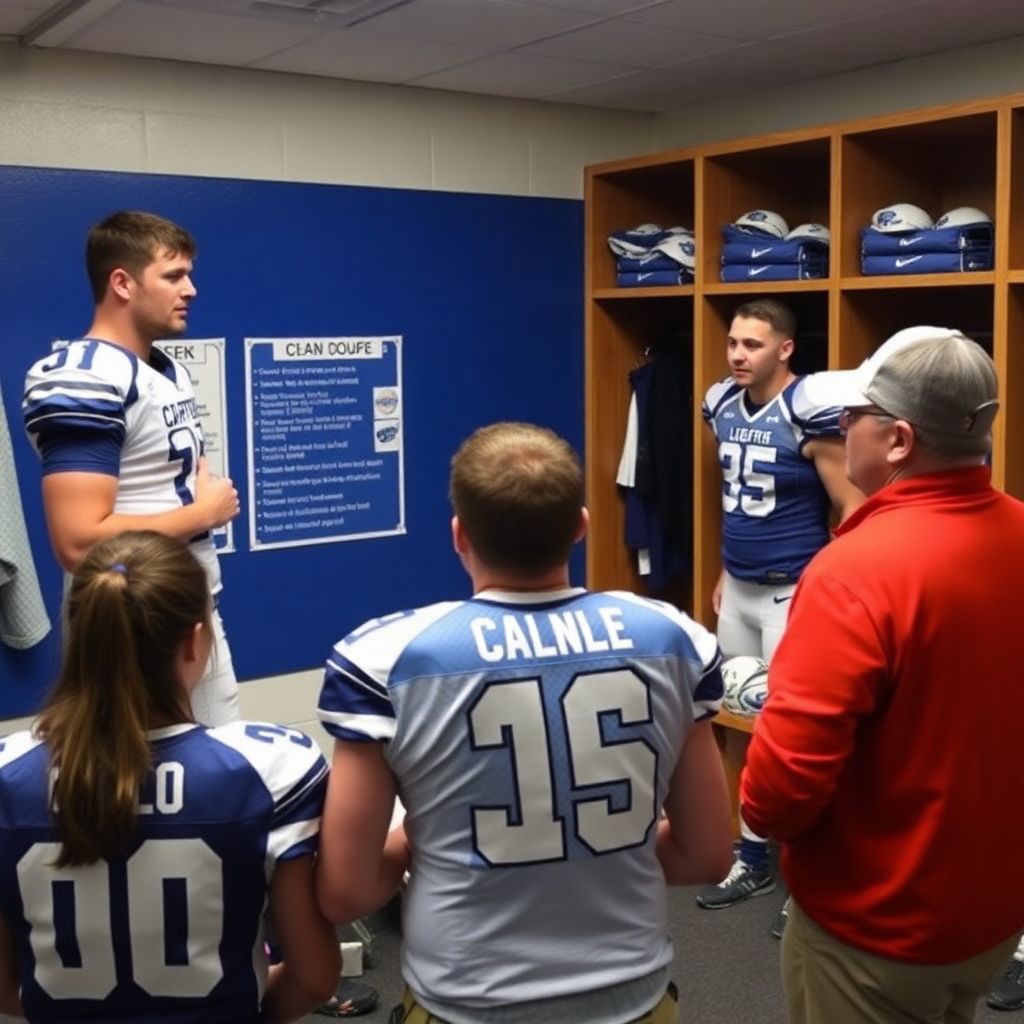
To build strong leadership inside a football locker room, give the captain clear responsibilities, appoint a respected mentor, and create simple routines for communication, accountability, and feedback. Use short meetings, agreed rules, and visible role-modelling so every player knows how to behave, speak up safely, and support team objectives.
Core leadership actions every locker-room captain must master
- Clarify the captain’s mission beyond the armband: connector between coach and players, guardian of standards, and emotional stabiliser.
- Set up a mentor role who supports younger players and the captain, not who competes for authority.
- Install simple communication routines: pre‑match focus, half‑time adjustments, post‑match reflection.
- Use short, specific feedback instead of emotional reactions, especially in tense vestuario moments.
- Run regular micro‑meetings on standards, not only on tactics, to strengthen liderazgo en el vestuario de fútbol.
- Develop 2-3 future leaders through clear delegation and basic formación en coaching y mentoría deportiva.
- Review leadership impact with quick checks: attendance, energy, conflict level, and responsiveness to setbacks.
Defining captain responsibilities: beyond the armband
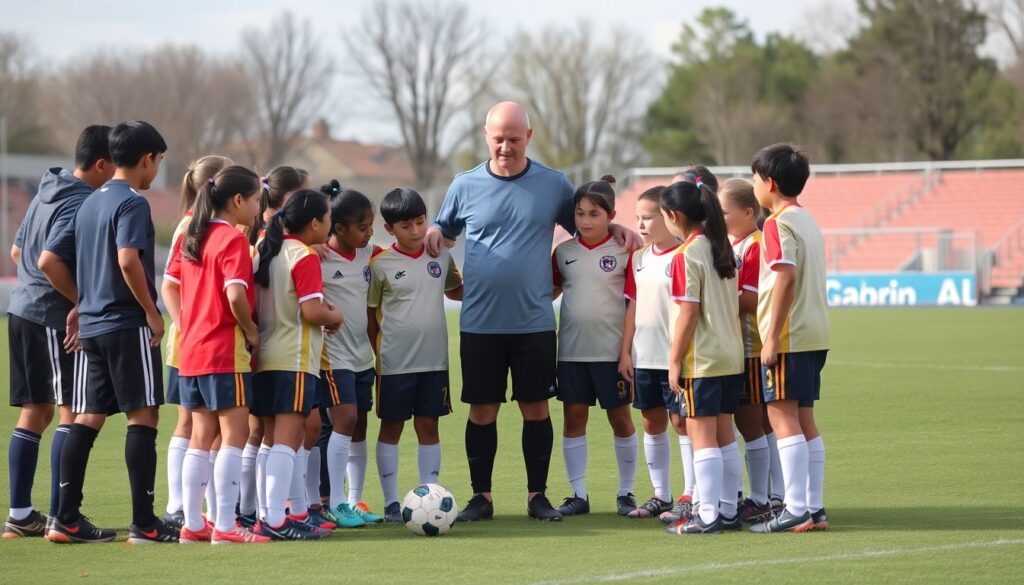
This approach fits amateur and semi‑pro teams that want more discipline, unity, and clarity about cómo ser un buen capitán de equipo. It is also useful for youth academies that need structure without making players afraid of mistakes.
Avoid over‑structuring if the group is extremely fragile (many conflicts, low trust) or if the coach has not decided basic rules yet. Start by stabilising behaviour and relationships before giving heavy authority to one player, or the captain can become a lightning rod for all frustrations.
Define the captain’s role in four clear areas:
- Standards inside the locker room
- Punctuality for meetings and training.
- Cleanliness and respect for shared spaces.
- Noise, music, and focus rules on match days.
- Bridge between coach and players
- Bring group concerns to the coach calmly and privately.
- Translate coach instructions into simple messages for the team.
- Support any agreed decision publicly, even if there was debate in private.
- Emotional control and energy
- Stabilise the group after refereeing decisions, goals conceded, or internal conflicts.
- Use brief phrases, not speeches, under pressure.
- Model body language: shoulders up, eye contact, controlled gestures.
- Role in player development
- Welcome new players with a simple routine (tour, rules, introductions).
- Give basic feedback to younger players post‑training.
- Connect players with the team mentor when issues go beyond football.
Write these responsibilities in one A4 page, share it with the group, and review it twice per season so expectations stay clear and realistic.
Selecting and empowering a mentor: traits and appointment process
The mentor supports both the captain and the coach. In many teams this role is held by a veteran player, assistant coach, or psychologist with formación en coaching y mentoría deportiva, but you can start with any respected, calm figure.
Key traits of an effective locker-room mentor
- High credibility: respected for work ethic and fairness more than for talent alone.
- Emotional stability: does not overreact after defeats or conflicts.
- Discretion: keeps private conversations truly private unless safety is at risk.
- Listening skills: asks questions before giving opinions.
- Alignment with the coach: never undercuts tactical or disciplinary decisions.
What the mentor actually does
- Holds one‑to‑one conversations with players under pressure or out of form.
- Helps the captain prepare key messages before important matches.
- Supports young leaders who attend entrenamiento para capitanes y líderes de vestuario or similar workshops.
- Identifies early signs of burnout, bullying, or isolation in the locker room.
Appointment process in 5 simple steps
- Coach defines the scope – Decide what the mentor can and cannot do (for example, can listen about selection issues but does not promise minutes).
- Create a shortlist – 2-3 people who meet the traits above; consider cultural fit and availability.
- Private conversation – Coach explains expectations, time commitment, and confidentiality limits to the preferred candidate.
- Announce to the team – Explain why this person was chosen, how players can contact them, and how information will be treated.
- Review after 6-8 weeks – Short check‑in between coach, captain, and mentor to adjust boundaries or routines.
For coaches, a short curso de liderazgo deportivo para entrenadores can make this process more effective, but the basic structure above is safe and clear enough to implement immediately.
Communication protocols: feedback, confrontation, and alignment
Structured communication reduces drama and helps everyone know when and how to speak. Use this step‑by‑step method to create safe, repeatable interactions between coach, captain, mentor, and players.
- Define official communication channels
Decide what goes where: tactical information, schedule changes, complaints, emotional issues.
- Team chat: logistics, basic info, simple reminders.
- Private talks: role, playing time, personal concerns.
- Leadership group meeting: standards, culture, conflicts that affect many players.
- Install a weekly captain-coach check‑in
Schedule a 10-15 minute talk once per week before or after training.
- Captain brings: 2-3 team concerns, mood in the vestuario, suggestions.
- Coach brings: key messages for the week, non‑negotiable rules, any changes in roles.
- End with: what we will say publicly to the team, in the same words.
- Use a simple feedback script
Teach captain and mentor to use short, clear phrases when giving feedback under pressure.
- Positive example: «Juan, your pressing is great. Stay tighter on the 6 when he drops; you’ll win more balls.»
- During mistakes: «Forget that action. Next ball, you check your shoulder and play simple.»
- Manage confrontation inside the locker room
When tension appears between players, the captain acts as first stabiliser and the mentor as support.
- Step 1: Stop public escalation («We talk after, not shouting here»).
- Step 2: Separate people briefly if necessary.
- Step 3: Private 5-10 minute talk with both players: facts, feelings, next actions.
- Step 4: If it affects the group, share agreed solution in one short message.
- Align half‑time and full‑time messages
Plan in advance who speaks and in what order.
- Model: Coach (tactics, changes) → Captain (emotion, focus) → Mentor (if needed, calm and perspective).
- Captain focuses on 1-2 key behaviours, not long speeches.
- Mentor only intervenes to de‑escalate or re‑focus attention.
- Protect one‑to‑one emotional conversations
Set a rule: when a player asks for a private talk with the captain or mentor, they get a time and place within 48 hours when possible.
- Location: neutral, quiet, no interruptions.
- Format: player speaks first; leader listens, summarises, and then responds.
- Boundary: if it is about safety, mental health, or serious conflict, the coach is informed.
Fast-track mode: minimal protocol you can apply this week
- Set a fixed 10‑minute weekly captain-coach meeting and stick to it.
- Agree on one feedback sentence format: «This is good → change this → result we want.»
- Define who talks first, second, and third at half‑time and full‑time.
- Create a simple rule: conflicts are discussed privately within 24-48 hours, not in the group chat.
- Ask the mentor to check in with one stressed player per week.
Routines and rituals that forge team accountability
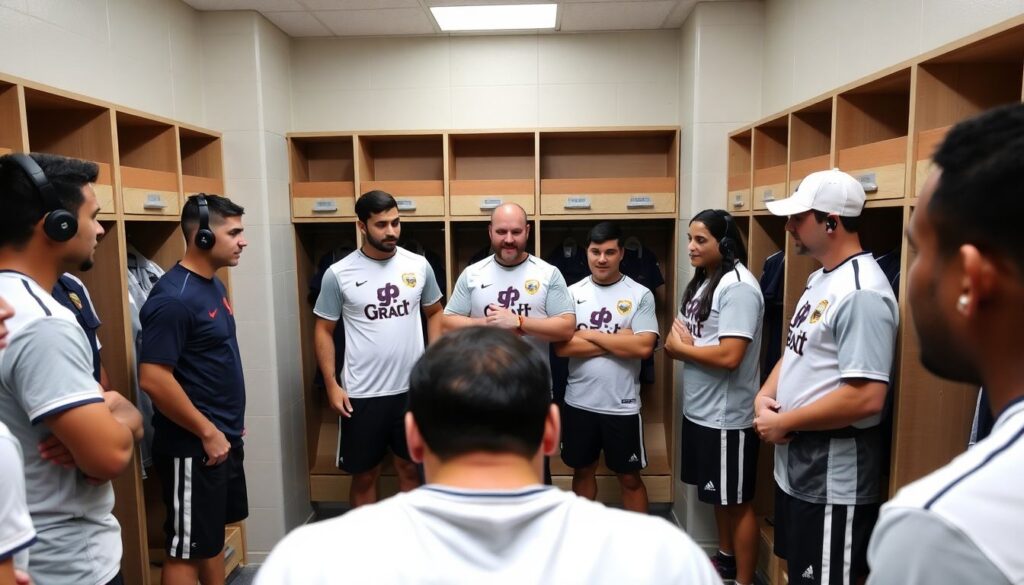
Use this checklist to verify whether your routines and rituals are truly creating accountability in the vestuario.
- There is a 5‑minute pre‑training huddle twice per week where captain reminds 1-2 focus points.
- New players receive a short welcome ritual: introduction, rules, and team values presented by the captain and mentor.
- After matches, the team spends at least a few minutes together before phones appear, allowing honest reflection.
- Late arrivals are addressed consistently (clear consequence or restorative action) without exceptions for stars.
- There is a visible list of 5-7 agreed locker‑room rules signed by players, captain, and coach.
- At least once per month, a player other than the captain leads the team talk, practising leadership safely.
- Captain and mentor publicly admit one personal mistake per month, showing that accountability applies to everyone.
- Team rituals (goal celebrations, win/lose songs, post‑match handshake lines) emphasise unity, not humiliation.
- No «silent punishments»: when the coach, captain, or mentor is unhappy, they say it clearly and respectfully.
- Once per cycle (for example, every 6-8 matches) the group revisits rules and adjusts 1-2 items together.
Growing internal leaders: mentoring, delegation, and succession
To grow future captains and mentors, avoid these common mistakes that quietly block liderazgo en el vestuario de fútbol.
- Keeping all leadership tasks with the current captain, leaving no space for others to practice.
- Choosing mini‑captains only based on playing level, ignoring maturity and communication skills.
- Delegating responsibility without authority: asking a player to organise something but not giving the tools or support.
- Giving only negative feedback to young leaders instead of highlighting what they are already doing well.
- Comparing future captains to past heroes, which creates pressure instead of motivation.
- Ignoring quieter personalities who may become excellent leaders through example and calm presence.
- Not connecting leadership development with any entrenamiento para capitanes y líderes de vestuario or internal workshop.
- Failing to plan succession: waiting until the current captain leaves to think about the next one.
- Allowing the mentor to become a «secret captain» who undermines the official armband.
- Forgetting that off‑pitch behaviour (school, work, family) is often the best predictor of leadership reliability.
Evaluating leadership effects: KPIs, rapid checks, and course corrections
You can measure and adjust leadership in safe, simple ways. If classic captain/mentor structures do not fit your context, consider these alternative options.
- Leadership group instead of single captain
Use 3-4 players representing different ages and roles. This is useful when the group is divided, or when you want to reduce pressure on one person. Rotate some responsibilities each half‑season.
- Rotating match‑day captains
Keep one «club captain» for continuity, but rotate the armband on match days among responsible players. This is helpful in youth teams and educational environments where learning leadership is as important as winning.
- Coach‑led leadership during crisis periods
In short crisis phases (many defeats, serious conflicts), the coach may temporarily centralise more decisions and communication. The captain and mentor still operate, but with clearer, narrower roles until stability returns.
- External support and training
Invite a specialist to run a short internal clinic, or use a structured curso de liderazgo deportivo para entrenadores to refine your approach. External voices often help reset norms and support both players and staff.
Whichever option you choose, keep evaluating with three rapid questions every month: Is the team more united? Are standards clearer and more consistent? Do players feel safer to speak and take responsibility?
Rapid solutions to common captain-and-mentor challenges
How can a new captain gain respect quickly without acting authoritarian?
Start by modelling discipline: punctuality, effort, and calm after mistakes. Speak less but with clarity, and use «we» instead of «you» when correcting. Ask 2-3 senior players privately for feedback and support so you are not acting alone.
What should a captain do if they disagree with the coach’s decisions?
Address it in private, not in front of the team. Use a calm script: state your understanding, explain the locker‑room reaction, and offer an alternative. Once a decision is made, support it publicly to protect group unity.
How can a mentor help a player who is isolated in the locker room?
Organise a one‑to‑one conversation first to understand the player’s perspective. Then quietly connect them with one or two compatible teammates in small activities. Avoid forcing big group interactions at the start; build comfort step by step.
What is a safe way to confront toxic behaviour from a popular player?
Begin with a private talk led by the captain or mentor, focusing on specific behaviours and their impact, not on character. If it continues, involve the coach and agree on clear consequences that are applied consistently, regardless of status.
How much should the captain talk before matches?
Prefer one short, focused message (30-60 seconds) instead of long speeches. Emphasise 1-2 behaviours that match the coach’s game plan. Save longer reflections for the day after, when emotions are lower and players can process.
Can the coach also be the mentor, or should it be a different person?
The coach can act as mentor in small teams, but separating the roles often makes it easier for players to open up. If the same person does both, be extra clear about when you are speaking as coach (decisions) and when as mentor (support).
How do we start leadership work if the team resists «psychology stuff»?
Keep it practical: shorter meetings, clear rules, and small routines that obviously help performance. Use terms like «communication» and «responsibility» instead of abstract language, and show quick wins such as fewer conflicts or better focus in key moments.