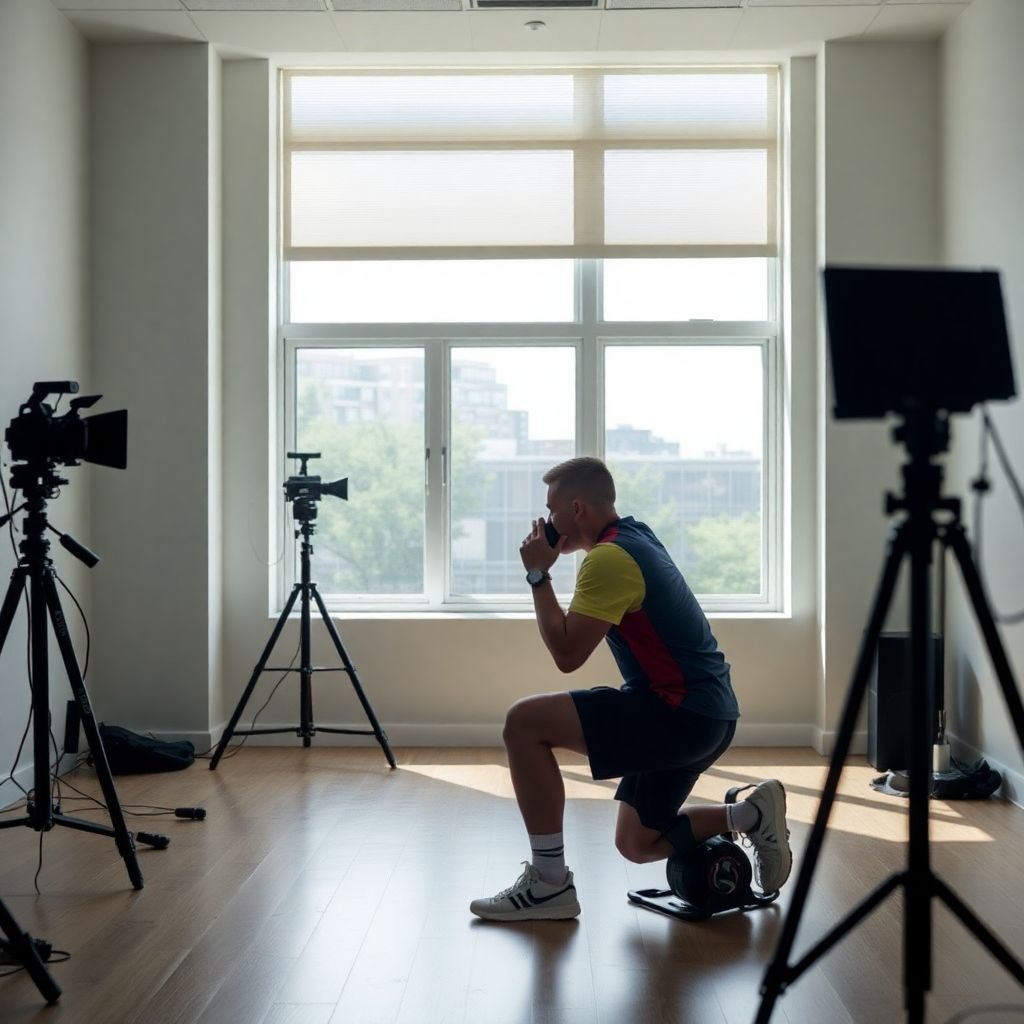
To manage pressure from fans, media and social networks, separate what you can control (routines, messages, screen time) from what you cannot (opinions, headlines, algorithms). Use clear protocols: prepare key messages, set time limits for media and social media, and schedule regular mental coaching and debriefs.
Pre-performance pressure checklist
- Define three controllable priorities for the next match or event.
- Limit media and social media exposure 24 hours before competition.
- Prepare two or three short key messages and repeat them in all interviews.
- Plan one short relaxation routine you can use in the locker room and on the field.
- Agree with staff who filters media requests and social media mentions.
- Book at least one session with a psicólogo deportivo para manejar presión de la afición or mental coach this month.
Mapping pressure sources: fans, press and platform dynamics
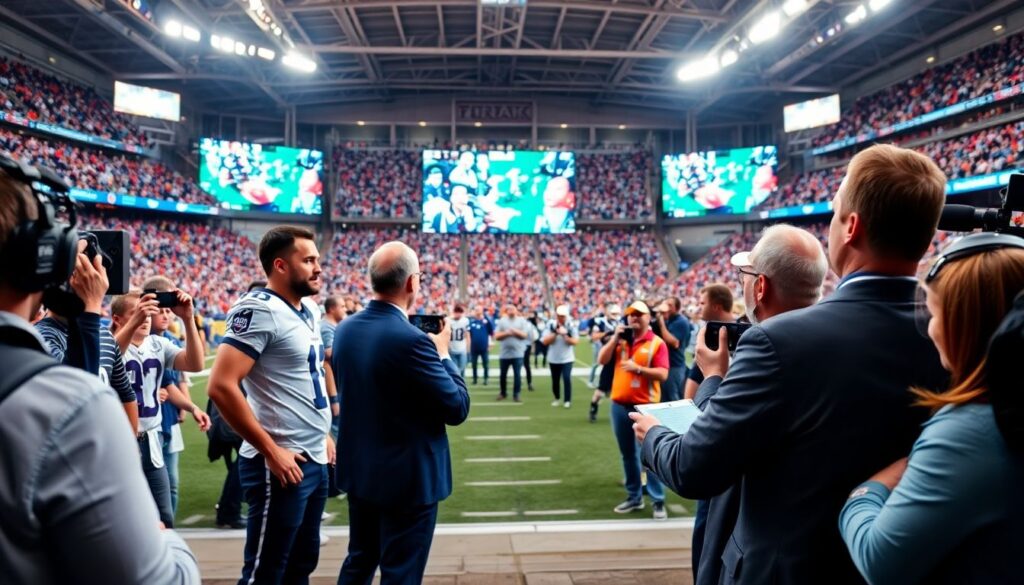
This method suits professional and semi-professional athletes, coaches, and support staff who face regular public exposure: stadium crowds, journalists, and constant online commentary. It also helps agents and communication managers who coordinate interviews and social media for players.
However, it is not a replacement for medical or psychological treatment. If anxiety disrupts sleep, appetite or daily life, or you experience panic symptoms, seek clinical help and combine these routines with professional treatment. The same applies if online abuse includes threats; involve club security and, if needed, legal support.
Start by mapping where pressure actually comes from. This clarifies which tools you need and who should support you (coach, club media officer, agent, therapist).
- Identify live crowd pressure points
Note when the torcida affects you most: warm-up, first minutes, mistakes, penalties, substitutions. Be specific.- Example: whistles during ball possession; insults near the corner flag; boos when substituted.
- Mark in which stadiums or derbies this intensifies.
- Map traditional media exposure
Review how often you interact with press: mixed zones, press conferences, one‑to‑one interviews, TV shows.- Ask yourself: where do you feel most judged? Where do questions trigger anger or fear?
- Include local radio, podcasts, and print columns.
- Audit social media and platform dynamics
List every active channel: Instagram, X/Twitter, TikTok, Facebook, Twitch, YouTube, plus fan forums.- Note who controls each account: you, relative, agent, club.
- Observe when hate comments peak: after losses, injuries, contract rumours.
- Clarify your vulnerability zones
Define which topics hurt most: family, nationality, salary, body image, «lack of attitude», old mistakes.- Mark these as «no improvisation»: you will always use pre‑prepared answers or decline comment.
- Decide what success looks like
Instead of «no pressure», choose realistic targets:- Maintain focus on game plan despite noise.
- Answer media without reacting impulsively.
- Use social media intentionally, not compulsively.
Psychological tools to withstand live crowd and media stress
Before applying techniques, organise your resources. Aim for simple, repeatable tools you can use in Spain’s competitive calendar with travel, double match weeks and constant coverage.
- Professional mental support
Work with a psicólogo deportivo para manejar presión de la afición or a specialised mental coach.- Define clear goals: handle boos, recover after mistakes, respond calmly to cómo gestionar la presión mediática en el deporte de élite.
- If travel is heavy, use entrenamiento mental para deportistas profesionales online sessions between matches.
- Breathing and grounding routines
Prepare two short protocols:- In‑game micro‑reset (10-20 seconds): slow inhale through the nose, longer exhale through the mouth, feel feet on the ground, choose next simple action.
- Pre‑game longer reset (2-5 minutes): seated breathing, body scan, quick visualisation of first actions.
- Self‑talk scripts
Create 3-5 phrases to repeat under stress.- Examples: «Next action only», «I know this stadium, I’ve played here before», «Noise is for the show, I play for the team plan».
- Use the same scripts for both crowd pressure and aggressive questions.
- Focus anchors
Choose one or two physical anchors to bring attention back to the present:- Adjusting shin guards, tightening boots, touching wristband or necklace, stepping on a line before restart.
- Link each anchor with a mental cue: «reset», «simple pass», «next play».
- Boundaries for information intake
Agree with staff:- Who can send you articles and videos on match day.
- Time windows for reading news and checking social networks.
- When to fully disconnect (e.g., last 60 minutes before kick‑off).
- Structured coaching programs
Combine these tools with programas de coaching deportivo para controlar la ansiedad competitiva.- Include scenario training: fake boos in training, simulated tough interviews.
- Monitor progress: what still triggers over‑reactions after several weeks.
Media interaction protocols: concise messaging and boundary-setting
Before applying a step‑by‑step interview protocol, prepare with this short checklist:
- Agree with club or agent who approves interview requests.
- Write three key messages for the next match or issue.
- Draft neutral phrases to decline sensitive topics.
- Practice answers out loud, preferably recorded on video.
- Set time limits for mixed zone and one‑to‑one interviews.
- Define your message in one line
Before any press appearance, write one sentence that summarises what you want to transmit.- Example: «We accept criticism, but we believe in our work and we focus on the next match.»
- Everything you say should connect back to this idea.
- Prepare three supporting points
Turn the main message into three short pillars.- Performance: «We improved the intensity compared to last week.»
- Responsibility: «We know the club and the torcida expect more.»
- Future: «We work every day to show a better version.»
- Create safe answers for sensitive topics
List risky areas: contracts, teammates, coach, private life, referees, management.- Prepare neutral, repetitive phrases: «My agent and the club manage that, I focus on playing», «We respect the referee’s decisions».
- Repeat the same sentence if the journalist insists.
- Use the bridge technique
When a question is aggressive or irrelevant, answer briefly and then move back to your message.- Structure: acknowledge → short reply → bridge → key message.
- Example: «I understand people are angry. We also are not happy, and what matters now is… following the game plan in the next match.»
- Control body language and tempo
Keep feet stable, shoulders relaxed, eye contact without staring.- Pause one second before answering; this prevents impulsive comments.
- If emotions rise, breathe out slowly and look down for a moment before continuing.
- Set clear limits with media staff support
Ask club press officer to intervene when limits are crossed.- Define in advance which questions are off‑limits (family, medical details, legal issues).
- Agree safe phrases: «I prefer not to talk about that today, let’s focus on the match.»
- Close interviews on your terms
End with a stable message, even after a tough question.- Example: «Thank you. We know what we have to improve and we are working on it.»
- Then physically step away; do not stay arguing off‑camera.
Social media management: monitoring, content rules and escalation paths
Use this checklist to verify that your social media habits reduce, not increase, pressure. It also links with cursos de manejo de redes sociales para futbolistas y atletas that many La Liga and Segunda clubs recommend.
- You know exactly who has passwords for each account and can remove access quickly if needed.
- You have defined «quiet hours» every day when you do not open social apps (for example, during team meals, tactical meetings and pre‑sleep time).
- You have written rules on what you will never post: referees, teammates’ private life, confidential club information, direct replies to insults.
- Direct messages from strangers are filtered or turned off, especially around decisive matches or controversial incidents.
- You use a simple system to monitor mood without reading all comments (for example, staff or agent summarises trends once a day).
- You have a clear escalation path for serious hate or threats: capture screenshots, inform club, consider legal advice, do not respond directly.
- You schedule most posts (training photos, community work, sponsorship content) in advance instead of improvising after emotional matches.
- You regularly review old posts for potential misinterpretations and delete or archive what does not fit your current image.
- When you feel emotionally activated, you wait at least 30 minutes and talk to a trusted person before posting or replying.
- You have considered at least one entrenamiento mental para deportistas profesionales online or media course focused on digital resilience.
Organizational routines: coaching, role clarity and rehearsal
Pressure grows when the organisation is chaotic. These are frequent mistakes clubs, staff and players make when dealing with torcida, media and social networks.
- Relying only on individual willpower instead of integrating programas de coaching deportivo para controlar la ansiedad competitiva into the season plan.
- Lack of clear roles: nobody knows who approves interviews, who answers online criticism, who supports players after a media storm.
- No rehearsal: players face aggressive interviews or loud whistles for the first time in real competition instead of practising scenarios in training.
- Mixed messages from staff: coach, president and players say contradictory things in public, increasing media and fan pressure.
- Ignoring cultural context: foreign players are not briefed on local fan culture, derby intensity or particular media outlets in Spain.
- Overexposing young talents on social media without guidance, then blaming them when posts cause controversy.
- Using punishments (fines, benching) as the only response to media mistakes, instead of combining consequences with education and practice.
- Allowing unlimited phone and social media use in the locker room immediately after matches, when emotions and impulsivity are highest.
- Not debriefing communication incidents (e.g., viral interview, leaked video) as a team to learn and adjust protocols.
Post-event protocol: debriefs, reputation repair and performance metrics
When pressure explodes after a bad result or controversial moment, you can combine several alternatives, depending on severity and available support.
- Internal performance-focused reset
Use when criticism is strong but within normal sports debate.- Hold a short team debrief to analyse game decisions, not social media comments.
- Adjust next week’s training objectives and personal mental routines.
- Guided communication and image repair
Suitable when a quote, gesture or post created conflict.- Work with club media staff or specialists from cursos de manejo de redes sociales para futbolistas y atletas.
- Prepare a concise statement or apology if appropriate; avoid over‑explaining.
- Structured psychological support cycle
Recommended when pressure turns into persistent anxiety or avoidance.- Combine sessions with a psicólogo deportivo para manejar presión de la afición and, if needed, medical evaluation.
- Use entrenamiento mental para deportistas profesionales online between in‑person visits during dense competition periods.
- Temporary reduction of exposure
Use for short periods after intense media storms or abuse.- Limit interviews to essential obligations, delegate social media posting to staff, and increase in‑house support.
- Set a date to reassess; the goal is strategic rest, not permanent isolation.
Quick answers to recurring pressure dilemmas
Should I completely stop reading news and social media?
Not necessarily. For most elite players, a better strategy is to limit timing and quantity. Define windows to read news, use filters or staff summaries, and avoid exposure close to matches or late at night.
How can I stay calm when the torcida whistles me every touch?

Prepare in advance: breathing routine, focus anchor and self‑talk script. During the match, narrow focus to the next action and the tactical task your coach gave you. After the game, debrief with staff or a sports psychologist, not with social media.
What if a journalist asks an unfair or provocative question?
Keep answers short, use the bridge technique to return to your main message, and avoid personal attacks. If a limit is crossed, let the club press officer intervene. Repeating a safe phrase is better than improvising an emotional reaction.
Is it weak to work with a sports psychologist or mental coach?
No. At professional level in Spain, mental work is part of high performance. Using a psicólogo deportivo para manejar presión de la afición or online coaching programs shows professionalism, not weakness.
How many social media rules should I have?

Focus on a few clear rules you can always follow: no posts when angry, no comments about referees or internal issues, and a daily «offline window». If needed, take structured cursos de manejo de redes sociales para futbolistas y atletas to refine your code.
What can I do the night after a very bad game to sleep better?
Respect simple hygiene rules: light food, no caffeine or alcohol, and a fixed «screens off» time. Use a short relaxation routine, write down thoughts on paper, and schedule a next‑day debrief so your mind knows when you will analyse the match.
How do I know if I need professional help instead of self-help tools?
If symptoms last for weeks (insomnia, constant tension, avoidance of matches or training, panic sensations) or you consider quitting suddenly, talk to team doctors or a specialised psychologist. Self‑regulation tools work best as support, not as a substitute for treatment.